

Thank you for Subscribing to Eldercare Review Weekly Brief
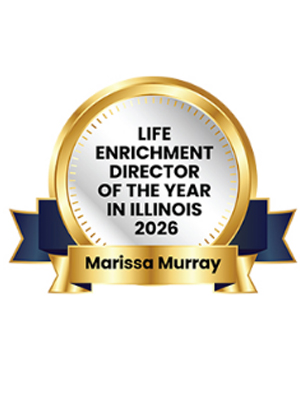
Marissa Murray
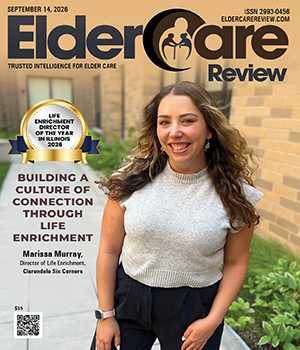
Building A Culture of Connection Through Life Enrichment
At Clarendale Six Corners, life enrichment is not viewed as a schedule of activities designed to fill residents’ days. Instead, it represents the foundation of a thriving community where residents continue exploring interests, building relationships, and creating meaningful memories. As Director of Life Enrichment, Marissa Murray leads efforts to design experiences that encourage curiosity, connection, and belonging across the community. Murray’s role extends beyond event coordination. She helps shape the culture of Clarendale Six Corners by developing calendars, newsletters, transportation schedules, and experiences that bring residents together. Her focus is on understanding what makes each resident feel engaged and valued while creating opportunities for social interaction, creativity, and personal growth. She explains that her work centers on creating the culture of the community and facilitating experiences that allow residents to engage fully during their retirement years. Creating Experiences beyond Traditional Activities One of Murray’s primary goals has been to redefine how senior living communities approach engagement. Rather than focusing on programs that simply occupy time, she believes residents are seeking experiences that inspire participation and create lasting memories. The approach recognizes that today’s older adults are active, curious, and interested in continued learning. At Clarendale Six Corners, programming reflects the diversity of the resident population. Events are designed to encourage residents from different backgrounds to connect, share perspectives, and learn from one another. By creating opportunities that blend culture, education, wellness, and entertainment, Murray and her team have developed a model where engagement becomes a meaningful part of daily life. Murray believes that residents are not looking for passive activities but opportunities that stimulate their senses and strengthen relationships. “Residents a
Elder Law Firm
Senior Justice Law Firm was built on a decision that reshaped its purpose. After years defending nursing homes, its principal attorney chose to represent residents harmed by abuse and neglect. Since then, the firm has represented only injured residents and their loved ones. Today, it serves clients across 28 states and has grown into the country's largest elder abuse law firm. Families rarely reach out with definitive proof of neglect. More often, they come with unanswered questions after witnessing unexplained injuries, sudden decline or the loss of a loved one. Every accepted case begins with collecting medical records and an in-depth review by the firm's in-house long-term care nurse. The process often uncovers preventable injuries or patterns of neglect that families could not have identified on their own, providing the evidence needed to determine whether legal action is appropriate. Combining Experience with Personal Commitment Years of handling only elder abuse litigation have given the firm an uncommon familiarity with the legal and corporate structures behind many long-term care providers. Having handled hundreds of similar cases, attorneys often recognize recurring ownership networks and the corporate entities behind facilities that attempt to distance themselves from liability. Working alongside specialized medical experts, the firm's attorneys tackle complex legal and clinical questions that might otherwise remain unanswered.

Elder Law Firm
Some of life's most important legal conversations do not always begin inside a law office. They often begin when families are planning for the future, navigating a loved one's declining health, or settling an estate. At those moments, accessibility becomes part of the legal challenge, particularly for seniors with limited mobility, caregivers, and busy families who may find it difficult to travel to a law office. Mobile Legal Services addresses that challenge through a travel-based model. Attorneys travel directly to clients at home, in hospitals, assisted living communities, and nursing facilities throughout Wayne, Oakland, Macomb, Washtenaw, and Livingston counties. Travel is included as part of the firm's standard pricing at no additional charge, providing greater convenience while making legal guidance more accessible when it is needed most. Every engagement begins with a free telephone consultation, where clients discuss their needs, explore options, receive recommendations, and review pricing. Whenever possible, Mobile Legal Services offers flat-fee pricing for estate planning and related services so clients understand costs before work begins.
Hospice Care
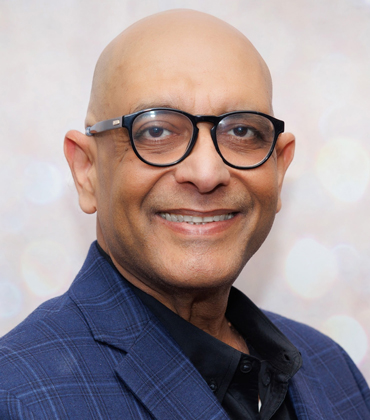
End-of-life care deserves the same level of clinical attention as every other stage of medical care. While working as a physician at a skilled nursing facility, Dr. Darius K Joshi recognized that hospice patients often did not receive that standard of care. He established Redwood Hospice with a physician-led care model that keeps every patient under continuous medical oversight. The company values end-of-life care as an integral part of life, and an essential component of a dignified and physically and emotionally comfortable death. “Our way of addressing that gap in the quality of end-of-life care is to ensure that every patient is evaluated, seen and cared for by a physician throughout their end-of-life journey,” says Sonny Vukic, Chief Operating Officer.
Assisted Living
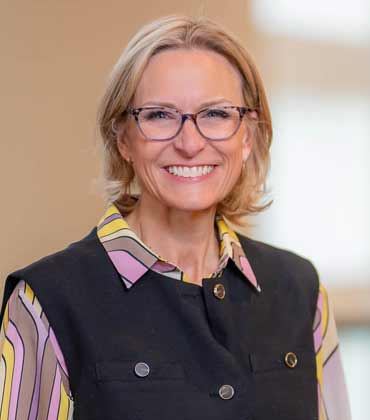
A Call to Reimagine Memory Care: Purpose, Dignity and Continuity in Aging
Lisa Musgrave, Senior VP Post Acute & At Home Services, Ascension
Senior Care
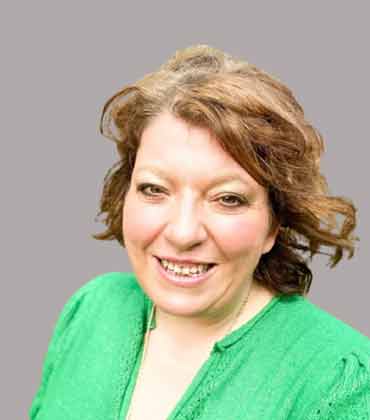
Rethinking Well-Being in Senior Living
Angie McAllister, Senior Director of Joyful Living & Community Well-Being, Lifespark
Senior Care
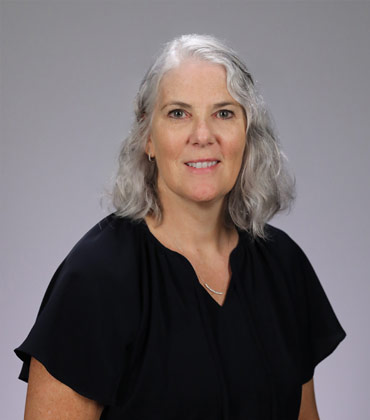
Building a Culture of Compassion and Clinical Excellence in Medical-Surgical Nursing Leadership
Dawn Wheelhouse, RN, MSN, CMSRN, NE-BC, Senior Nursing Director, NKC Health
Senior Care
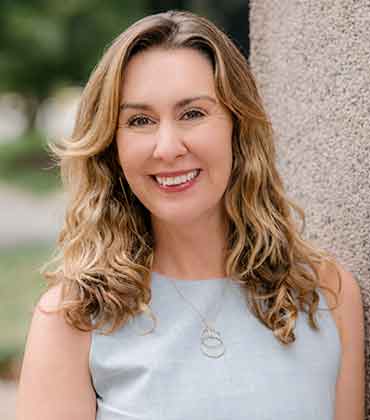
The Nurse Retention Imperative: Why Leadership Development Must Keep Pace with Recruitment
Zannie Hanan, Senior Director of Nursing Services, Shearwater Health
Medicare
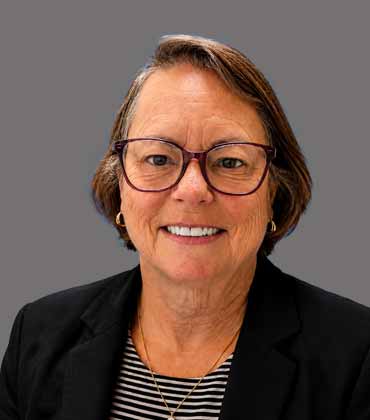
Changes To Medicare, Medicaid And Public Charge Could Affect Older Adults
Mary Lelia Baker, Quality and Systems Integration Manager/Family Nurse Practitioner, Lestonnac Free Clinic
Senior Care Advisory
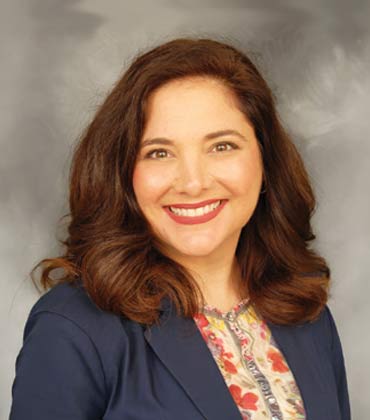
A Roadmap for Families Navigating Longterm Care
Morgan Slattery, Director of Guided Care, Aging Matters Association
Hospice Care
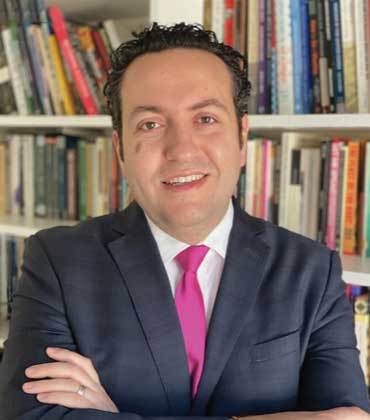
Hospice is Where Value-Based Medicine Begins and Ends
Ziad Farah, MD MBA, Chief Medical Officer, Center Light Health PACE and Adjunct Assistant Professor of Medicine, Albert Einstein University
IN MY OPINION
Senior Care
From Top-Down Leadership to Shared Responsibility
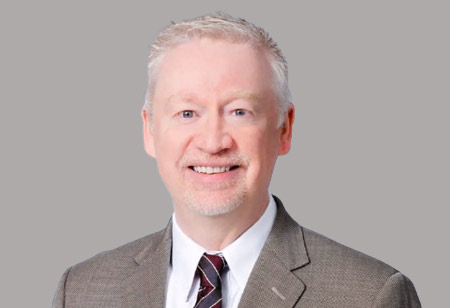
Natalie Kennedy, Director of Nursing, Regina Health Center
LAST WORD
Senior Care
Advancing Patient Care through Leadership and a Culture of Safety and Quality
Ken Grubbs, DNP, MBA, RN, Chief Nursing Executive & Executive Vice President, Joint Commission
IN FOCUS

Estate Planning Attorneys Supporting Long-Term Financial Security
Estate planning and probate attorneys support wealth protection, business continuity, and structured long-term financial planning.
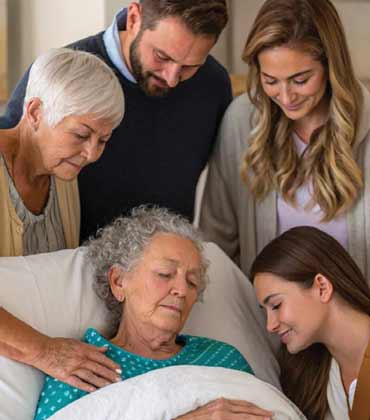
The Growing Need for Hospice Services: Meeting Healthcare Demands with Compassion
Personalized hospice care improves comfort, supports families, manages symptoms and helps patients maintain dignity throughout end-of-life care.
EDITORIAL
Shaping Better Experiences in Elder Care
Growing older often means families have to make decisions that go well beyond medical care. They may need to consider living arrangements, legal planning, changing levels of independence and difficult end-of-life conversations, often at the same time. This edition of Elder Care Review explores the organizations and leaders helping make those experiences more personal, coordinated and grounded in the needs of the individual.
Our cover story features Marissa Murray, Director of Life Enrichment at Clarendale Six Corners, recognized as the Life Enrichment Director of the Year in Illinois 2026. Through cultural programs, resident-led initiatives, community partnerships and intergenerational connections, Murray and her team create opportunities for residents to remain curious, connected and involved in shaping the community around them.
Also Recognized is Mobile Legal Services, recognized as the Top Estate Planning & Probate Attorney 2026, assists clients with estate planning and probate matters.
Redwood Hospice, recognized as the Top Hospice Care Services 2026, provides physician-led, patient-centered support for people receiving end-of-life care. Senior Justice Law Firm, recognized as the Top Nursing Home Abuse Law Firm 2026, focuses on holding parties accountable in cases involving nursing home neglect and abuse.
The issue also features perspectives that challenge traditional approaches to elder care. Ziad Farah, MD, MBA, Chief Medical Officer at CenterLight Health PACE and Adjunct Assistant Professor of Medicine at Albert Einstein University, examines hospice as a model of wholeperson, value-based care and calls for earlier integration across the care continuum. Lisa Musgrave, Senior VP of Post Acute & At Home Services at Ascension, argues for memory care that sees the person behind the diagnosis, preserving purpose, identity and dignity alongside safety.
Elder care depends on listening to families, understanding individual needs and treating each person with dignity. We invite our readers to explore these perspectives and discover how a more human approach to care can make a meaningful difference throughout the aging journey.
