Thank you for Subscribing to Eldercare Review Weekly Brief
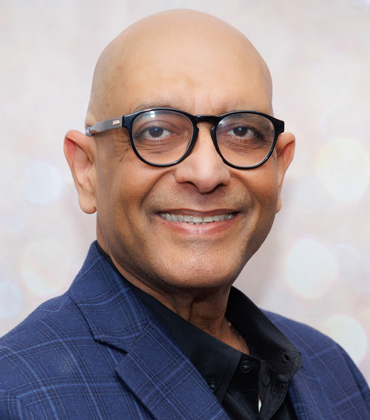 Dr. Darius K Joshi, Chief Executive Officer
End-of-life care deserves the same level of clinical attention as every other stage of medical care.
While working as a physician at a skilled nursing facility, Dr. Darius K Joshi recognized that hospice patients often did not receive that standard of care. He established Redwood Hospice with a physician-led care model that keeps every patient under continuous medical oversight. The company values end-of-life care as an integral part of life, and an essential component of a dignified and physically and emotionally comfortable death.
“Our way of addressing that gap in the quality of end-of-life care is to ensure that every patient is evaluated, seen and cared for by a physician throughout their end-of-life journey,” says Sonny Vukic, Chief Operating Officer.
Redwood Hospice serves communities across Santa Clara County, Southern Alameda County and San Mateo County. Its individualized, multidisciplinary support helps patients experience a dignified and comfortable end-of-life journey.
Supporting Families with Compassion, Trust and Quality
Recognizing that readiness for hospice involves emotional and psychological acceptance as well as medical eligibility, Redwood Hospice helps patients and families understand their options and make informed decisions at their own pace.
Hospice care is treated as a family experience, not just a clinical service. A multidisciplinary team, comprising physicians, nurses, social workers and chaplains, provides emotional, psychological and spiritual support for both patients and their loved ones. The team focuses on meeting families where they are, encouraging questions and allowing them to process difficult decisions without pressure.
-
Our way of addressing that gap in the quality of end-of-life care is to ensure that every patient is evaluated, seen and cared for by a physician throughout their end-of-life journey.
Individualized care plans are developed based on patients’ personal goals, family circumstances and medical conditions. It also tailors care for patients with dementia, Alzheimer’s disease, Parkinson’s disease and other complex neurological conditions, recognizing that each diagnosis requires a different clinical and supportive approach.
Its patient-first philosophy proved invaluable for the family of a patient who received an unexpected terminal diagnosis. By creating a safe environment and providing compassionate guidance, it helped transform fear and uncertainty into acceptance and peace.
Complementary therapies that reflect each family’s needs enhance the care experience. In one instance, a mother dying of cancer participated in music therapy with her young children. During her final days, the children sat by her side and sang the bedtime songs she once sang to them. Rather than leaving painful memories of loss, the experience created a lasting and meaningful final memory for the family.
Sustaining Excellence through People and Purpose
Delivering consistent high-quality experiences requires more than clinical expertise. More than 70 percent of Redwood Hospice’s team members come from diverse backgrounds and collectively speak over seven languages. Beyond language, they understand the cultural traditions that shape how different communities experience death, dying and bereavement, allowing care to be delivered with both clinical excellence and cultural sensitivity.
Redwood Hospice’s CHAP accreditation reflects a commitment to consistently exceeding nationally recognized quality standards through rigorous clinical practices, coordinated multidisciplinary care and an unwavering focus on patients, families, referral partners and care partners. To deliver this level of physician involvement, it adopts a highly selective recruitment process focused on attracting and retaining exceptional clinicians, ensuring continuity of care and consistent patient experiences.
Every growth initiative at Redwood Hospice is guided by Dr. Joshi’s philosophy that quality of care must always come first. Rather than pursuing expansion for its own sake, the organization measures success by consistently exceeding quality standards and earning the trust of patients, families, referral sources and care partners.
As Redwood Hospice grows, it remains committed to preserving its physician-led model while delivering individualized, multidisciplinary care that ensures every patient experiences dignity, comfort and compassionate clinical excellence at the end of life.
Hospice Care Services Info
Q1
What Do Hospice Care Services Provide for Patients and Families During the End-of-Life Journey?
Hospice Care Services support comfort, dignity and quality of life when a person is facing a life-limiting illness. Care extends beyond managing physical symptoms to addressing emotional, psychological and spiritual needs. Families also need guidance as they make difficult decisions and adjust to changing circumstances. Effective Hospice Care Services bring clinical care and personal support together so patients and loved ones can focus on comfort, connection and meaningful time.
Q2
How Does Redwood Hospice Approach Physician Oversight in Hospice Care Services?
Redwood Hospice was established around a physician-led model after its leadership identified gaps in the clinical attention some hospice patients received. Its approach to Hospice Care Services keeps patients under continuous medical oversight, with physicians involved throughout the end-of-life journey. This model is supported by individualized care planning and multidisciplinary coordination, helping ensure that medical needs remain closely connected to each patient's goals, condition and changing circumstances.
Q3
Why Is a Multidisciplinary Approach Important in End-of-Life Care?
Hospice Care Services often involve needs that cannot be addressed through medical treatment alone. Physicians and nurses may manage clinical concerns, while social workers and chaplains can help patients and families navigate emotional, practical and spiritual challenges. A multidisciplinary approach brings these perspectives together, creating a more complete support system. It also recognizes that end-of-life decisions affect families as well as patients and that each situation requires time, communication and sensitivity.
Q4
How Can Hospice Care Services Be Adapted to Individual Medical and Family Needs?
Individualized Hospice Care Services consider the patient's medical condition, personal goals and family circumstances rather than applying the same approach to every situation. Some patients may require support related to dementia, Alzheimer's disease, Parkinson's disease or other complex neurological conditions. Families may also have different emotional and cultural needs. A responsive care model adjusts clinical and supportive services accordingly, helping patients receive care that reflects both their diagnosis and what matters most to them.
Q5
What Role Do Cultural and Personal Considerations Play in Hospice Care?
Quality Hospice Care Services must recognize that experiences of illness, death and bereavement can be shaped by language, culture and family traditions. Communication alone may not be enough; care teams also need an understanding of the values that influence how patients and loved ones approach end-of-life care. Cultural sensitivity can help create greater trust, improve communication and make support more relevant to the people receiving it.
Q6
What Distinguishes Redwood Hospice's Hospice Care Services?
Redwood Hospice combines continuous physician involvement with individualized, multidisciplinary support for patients and families. More than 70 percent of its team members come from diverse backgrounds and collectively speak more than seven languages, supporting culturally sensitive care. Its CHAP accreditation further reflects its focus on rigorous clinical practices and coordinated care. Together, these elements allow its Hospice Care Services to place clinical quality, continuity, comfort and family support at the center of the end-of-life experience.
Company :
Redwood Hospice
Management Dr. Darius K Joshi, Chief Executive Officer
Description
Redwood Hospice is a physician-led hospice care provider serving Santa Clara County, Southern Alameda County and San Benito County. Through continuous physician oversight, individualized care planning and multidisciplinary support, it delivers compassionate, high-quality end-of-life care focused on comfort, dignity and family-centered support.