

Thank you for Subscribing to Eldercare Review Weekly Brief
The Legacy
Elevating Elder Care Through People, Culture and Community
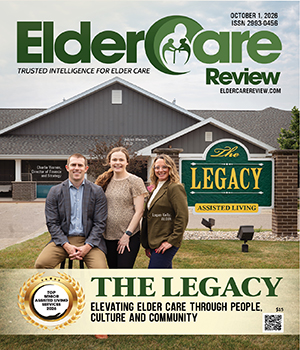
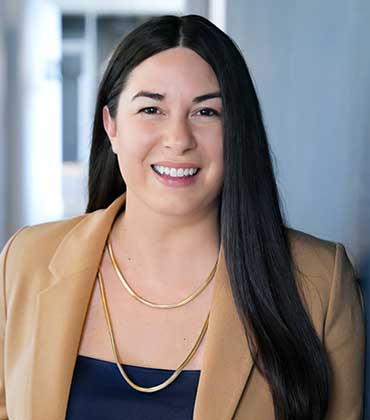
Moving into assisted living is a significant life transition for seniors and their families. Finding a supportive, trustworthy community where safety does not come at the expense of dignity, individuality or quality of life is a top priority. The Legacy, a family-owned assisted living and memory care community in Morris, Minnesota, works to make that transition reassuring through resident focused care, meaningful relationships and deep community roots. At the heart of its model is a simple belief: exceptional resident care begins with how an organization cares for the people who provide it. By investing in and supporting its team, The Legacy creates a workplace where employees want to stay—giving residents familiar faces, consistent care and the opportunity to form meaningful relationships. “We ensure that the quality of resident care and community culture are exceptional so that we feel confident having our own families live and work here,” says Charlie Warnes, director of finance and strategy. “For that, we invest heavily in our people and communities.” That philosophy is rooted in the Warnes family’s longstanding connection to Morris. The principal owner was raised in the community, and his mother was once a resident at The Legacy. Today, that family connection continues through a thoughtful leadership transition, with Logan Kelly, assisted living director in residency (ALDIR), working alongside Jolynn Warnes, licensed assisted living director (LALD) as she prepares to welcome her second baby—the third generation of the family connected to The Legacy’s story.
Senior Care
Families caring for an aging parent rarely struggle because information is unavailable; they struggle because it is fragmented across too many providers and online resources. Coordinating multiple stakeholders while making emotionally charged decisions can quickly leave families overwhelmed and unsure where to begin. How to Help Mom (HTHM) serves as a steady guide through every stage of the senior care journey. It begins by understanding each family’s situation before bringing together a trusted circle of vetted professionals—including attorneys, financial advisors, real estate professionals and movers—to help families move forward with confidence. “We help families navigate overwhelming situations by guiding them through the entire journey,” says Sara Ston, owner. While working as a special education teacher and real estate professional, Ston repeatedly saw families reach the hardest moments of aging without one steady person to help them through. “I built HTHM because I wished families had a trusted resource to turn to, so they wouldn’t have to face these difficult transitions alone,” says Ston.
Senior Living Marketing Agency
For Legacy Hospice Cares, hospice has never been only about managing symptoms. It has always been about understanding the whole person behind the diagnosis. Serving communities that range from rural areas to metropolitan regions, Legacy Hospice Cares works with individuals from many different backgrounds. Some patients have spent years regularly seeing physicians, while others may have had very little interaction with the healthcare system. The organization cares for older adults as well as younger individuals facing serious illnesses, recognizing that every person’s experience with end-of-life care is different. That understanding has shaped the way Legacy Hospice Cares operates. The company does not approach hospice through a standard formula. Instead, it begins by learning who each patient is, what matters to them, and what kind of support will make their journey more comfortable. For Karin Johnson, CEO of Legacy Hospice Cares, the purpose of hospice is deeply personal. Her perspective has been shaped by decades in healthcare and by personal experiences that reinforced the importance of empathy when families receive difficult news. Today, that perspective influences how the organization approaches every patient and family interaction. “Everything is patient centered,” Johnson says, describing the foundation of Legacy Hospice Cares’ philosophy. That philosophy is reflected in the organization’s everyday decisions. Rather than focusing only on medical needs, the company considers emotional, spiritual, social, and personal factors that influence a patient’s quality of life. Complementary therapies further support this whole-person approach, helping address comfort, emotional wellbeing, and individual preferences alongside clinical care. By integrating these services into the broader care plan, Legacy Hospice Cares seeks to support the whole patient and provide families with a more comprehensive, compassionate hospice experience.
Senior Care Advisory
Families supporting an aging loved one often want to nurture two important parts of everyday life: staying close through calls and shared photos and helping the older adult remain mentally, socially and physically engaged. When separate devices, applications and services support those needs, CareLink360 sees an opportunity to make the experience easier and more connected. Through its Digital Health Companion, a 15-inch touchscreen device designed for older adults, it brings family communication, engagement and wellness support into one secure system. A companion app helps relatives stay involved remotely, while the device replaces a patchwork of tools with a simpler experience that older adults can navigate and families can rely on as care needs change. “Families don’t have to become the IT person for their loved ones,” says Paula Muller, founder. Many families come to CareLink360 after trying consumer technology. Smartphones, tablets and smart speakers can work well until an older adult forgets how to find an application, misses a call, leaves a device uncharged or becomes confused after an operating system change. CareLink360 is based on the premise that technology should adapt to older adults. The device remains on, with family photos appearing by default. There is no keyboard, username or password for the older adult to manage. Approved relatives use the companion app to initiate a video visit, allowing their faces to appear on the screen without requiring mom or dad to answer. Older adults can also reach family members simply by touching their faces on the screen. Louder speakers and the larger screen reflect the same attention to real-world aging needs. Even as the toolkit expands, simplicity remains CareLink360’s test for what it introduces. Once connected to power and WiFi, the device is ready to use. Paula describes a device shipped to an older adult in Texas while her daughter lived in California. With local help connecting it to Wi-Fi, they could be face-to-face within minutes.
Hospice Care

Think about how much easier your daily life is with a smartphone. In seconds, you can check your bank balance, order groceries, book a doctor’s appointment, or connect with loved ones. Now imagine being locked out of that convenience—forced to rely on outdated, time-consuming methods for even the simplest tasks. This is the reality for millions of seniors who are left out of the digital world—not because they don’t want to engage, but because modern technology isn’t as comfortable, intuitive, or approachable as it should be. Scott Lien witnessed this firsthand when his aging mother struggled with modern devices. As the world advanced around her, she became increasingly disconnected simply because traditional technology wasn’t designed with her ease of use in mind. Determined to change this, Lien and his son, Isaac Lien, founded GrandPad—a company dedicated to making technology simple, safe, and accessible for seniors. GrandPad’s flagship product, also called GrandPad, is an all-in-one tablet and phone solution designed specifically for seniors who have been left out of today’s digital conveniences. Unlike traditional smartphones and tablets, which can be frustratingly complex, GrandPad prioritizes simplicity. It features an intuitive interface, easy navigation, and built-in security, making technology approachable rather than overwhelming. “Our 90-90 rule is central to GrandPad’s design: the device can be set up with minimal effort, using only familiar language, and with zero complexity,” says Scott Lien, CEO and co-founder of GrandPad. The “90/90 rule” states that a 90-year-old should be able to confidently use the device within 90 seconds. It’s ideal for seniors who struggle with newer technology, offering peace of mind to both users and their loved ones. Unlike most smart devices that require Wi-Fi setup, GrandPad can be connected via 4G LTE or Wi-Fi, ensuring seniors stay connected without the need for tech-savvy troubleshooting. This connectivity is more than just a convenience—it’s a lifeline. During the California wildfires, when power and internet outages left many seniors stranded, GrandPad users remained connected to emergency alerts, loved ones, and first responders, demonstrating the realworld impact of accessibility-driven technology. Beyond staying connected, GrandPad enhances seniors’ daily lives. Pre-installed apps allow users to make video calls, send messages, browse photos, listen to music, and play games designed to keep their minds engaged. A large, easy-to-read interface ensures effortless navigation, even for those with visual impairments. Recognizing seniors’ unique needs, GrandPad regularly collaborates with their Grand Advisors—a panel of 80+ adults who provide user feedback to ensure every feature is truly intuitive.
Senior Monitoring Solution
The realization that a parent or relative can no longer live independently brings a flood of difficult decisions. Questions about medical needs, legal paperwork, financial resources, and housing arise all at once. But who can families turn to when every option feels overwhelming? Different facilities offer different resources and services, but none offer them all. This gap leaves many families stuck, uncertain about the best course of action. The Marketing Busters saw the need for a better solution. The company connects seniors and their families with the right senior resources—including medical, legal, financial, and housing services—under one umbrella. This integrated approach allows families to find everything they need without jumping between different professionals. Unlike traditional placement agencies that match seniors with care homes based solely on availability, The Marketing Busters tailors placements to meet medical needs, affordability, and personal preferences. Its clinical team evaluates each senior’s condition, ensuring that care recommendations are based on medical expertise rather than guesswork. “Our placements are built on three components—care, location, and budget. We’re one of the few agencies of our kind partnered with major hospitals like Kaiser Permanente and Loma Linda,” says Michelle Magee, owner of The Marketing Busters. While securing the right care is essential, financial and legal barriers often stand in the way. Many families struggle with power of attorney, conservatorships, and Medicaid eligibility, making The Marketing Busters’ Law Busters division a critical resource. Real estate concerns add another layer of stress. A home sale may be necessary to fund long-term care, but delays in selling a property can create financial strain. Through its Realtor Busters division, the company ensures that seniors have the resources they need—even offering financial support while families wait for a home sale to close. One case that demonstrates the impact of this model involves a woman who lived alone with dementia and was hospitalized after years of unnoticed decline. With no immediate family available, a distant nephew was located. However, securing legal authority for him to act on her behalf would have taken 12 to 18 months under normal circumstances, leaving her stuck in the system with no clear path forward. The Marketing Busters fast-tracked the legal process, securing conservatorship in record time. The company covered her care costs for four months while legal matters were finalized, ensuring she received the attention she needed without delay. Today, she lives comfortably in a memory care community, supported by a trust set up through the company’s legal services.

Top 10 Life Enrichment Directors 2026

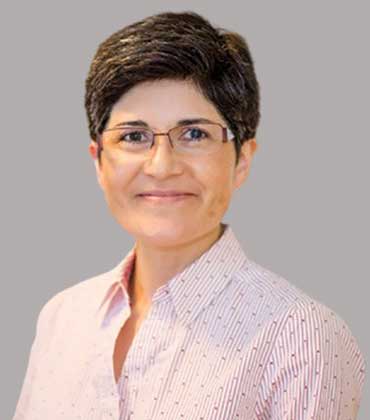
Alyssa Renaud has built a career around creating inclusive, community-focused experiences that empower individuals and foster meaningful participation. With a background in recreation, disability services, and program development, she is passionate about building environments where people can connect, grow, and lead active, fulfilling lives. Designing Experiences That Reflect Individuality As the Director of Life Enrichment, I oversee the development and implementation of activities and experiences that support the social, intellectual, physical, emotional, and spiritual well-being of our residents across both independent and assisted living. Working closely with a team of Life Enrichment Coordinators, we deliver a wide range of programs, including fitness classes and educational sessions, cultural events, volunteer initiatives, entertainment, resident-led clubs, and special celebrations. At the heart of my role is understanding the people who live in our community and creating opportunities that help them stay active, connected, and engaged in ways that are meaningful to them.
Senior Home Care Services
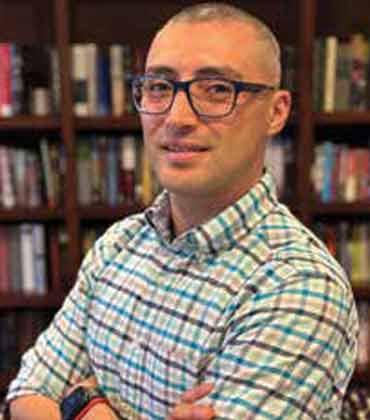
What It Means to Me to Work in Senior Care
Victor Rios, Director of Resident Services, Senior Lifestyle
Senior Food Service

How Telehealth and Innovative Partnerships are Reshaping Dementia Care
Megan Olshavsky, VP, Operations, Remo Health
Senior Care
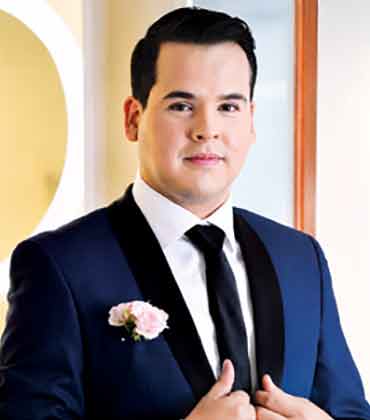
The Courage to Care: The Human Side of Long-Term Care Nursing
Enrique Cateriano, MSN APRN FNP-C MSN-NL RN IPC, Director of Nursing, Riviera Health Resort
Care Services
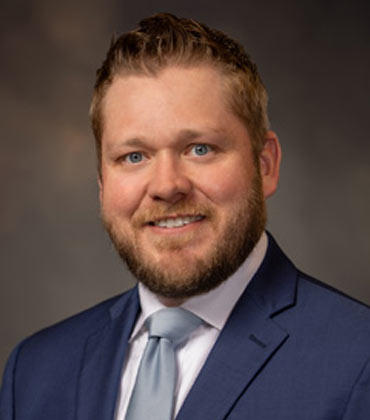
Driving Efficiency in Healthcare Procurement through Innovation
Matthew Wisniewski, Director of Procurement, Bethesda Health Group
Assisted Living
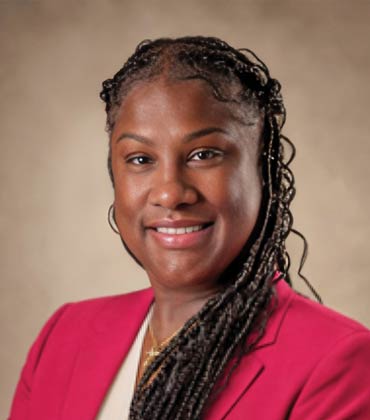
Beyond “Noncompliant”: What Resident Refusal Is Trying To Tell Us
Danielle Tiffith, RN, Director of Assisted Living and Assisted Living Administrator, Lambeth House
Elder Law Firm

Palliative Care: It’s Not A Prognostically-Driven Specialty
John Mulder, Chief Medical Consultant for Hospice and Pallaitive Care, Holland Home
Senior Care Advisory
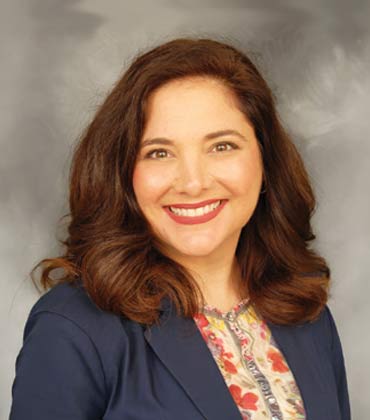
A Roadmap for Families Navigating Longterm Care
Morgan Slattery, Director of Guided Care, Aging Matters Association
IN MY OPINION
Elder Law Firm
From Compliance to Compassion: The Culture Shift Home Health Must Embrace to Drive Revenue
Kathy Hoffman, Chief Clinical Officer, Pinnacle Home Care
LAST WORD
Hospice Care
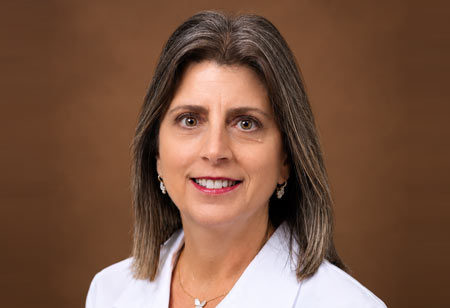
Leading Nursing Teams through Trust, Safety and Purpose
Stacey A. Conklin, MSN, NI-BC, MHCDS, NE-BC, VP and Chief Nursing Officer, Montefiore Nyack
IN FOCUS

Building Sustainable Care Systems: The Importance of Assisted Living Services
Assisted living services support sustainable healthcare, residential stability, and long-term economic growth.
Comprehensive Medicare Insights: Solutions for Aging Populations
Senior medicare solutions help aging populations access healthcare services, manage medical expenses, improve care coordination, and support long-term wellness outcomes.
EDITORIAL
Compassion and Connection in Senior Care
Senior care is increasingly about more than clinical support. Dignity, belonging, meaningful engagement and informed family decisions all shape the aging experience. In this edition of ElderCare Review, we recognize organizations and professionals showing how thoughtful care models and human connections can help older adults live with comfort, purpose and independence.
Our cover story celebrates The Legacy, recognized as the Top Senior Assisted Living Services 2026. Its people-first approach to assisted living and memory care emphasizes stable caregivers, personalized support and resident interests, creating an environment where seniors are known as individuals.
Alyssa Renaud, Director of Life Enrichment at Clarendale Clayton, is recognized among the Top 10 Life Enrichment Directors 2026. Through resident-led programs, community excursions and technology-supported engagement, she builds experiences around residents’ interests, abilities and aspirations.
How to Help Mom (HTHM), our Top Senior Care Referral Services 2026, helps families navigate complex aging decisions. Led by Sara Ston, it connects families with vetted professionals across legal, financial, housing, moving and care needs.
Legacy Hospice Cares, our In Home Hospice Care Services of the Year 2026, brings individualized support to end-of-life care. Led by CEO Karin Johnson, its model combines clinical expertise, complementary therapies and family collaboration to address patients’ physical, emotional, spiritual and social needs with dignity.
CareLink360, recognized as the Top Senior Care Connectivity Solutions 2026, helps older adults stay connected and engaged. Founded by Paula Muller, its Digital Health Companion combines video communication, family photos, brain fitness and wellness content in one accessible platform.
Our contributors add important perspectives on compassionate and coordinated senior care. Danielle Tiffith, RN, Director of Assisted Living and Assisted Living Administrator at Lambeth House, explores resident refusal as communication that can reveal fear, discomfort or unmet needs. Eveth Green, Vice President of Nursing, AdvantageCare Physicians, examines healthy aging through primary care, emphasizing early intervention, continuity, independence and quality of life.
Together, these stories show that meaningful elder care begins with understanding individuals, respecting their choices and creating support that adapts as their needs evolve.
