

Thank you for Subscribing to Eldercare Review Weekly Brief
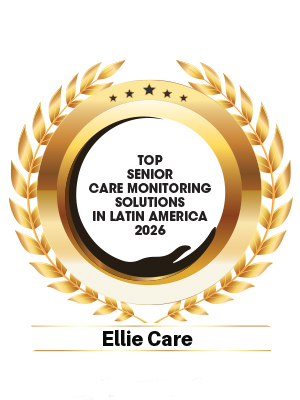
Ellie Care
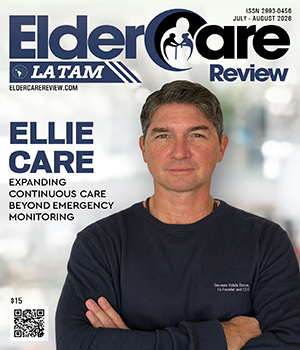
Expanding Continuous Care Beyond Emergency Monitoring
Through years of experience across senior care and direct caregiving, Gervasio Videla Dorna gained a close view of the challenges surrounding long-term support. One issue repeatedly stood out: support was often needed around the clock, but families could not always be present. At the same time, many older adults wanted to maintain their independence without feeling like a burden on their children. That gap led to Ellie Care, a platform that connects vulnerable users, families, and remote monitoring providers through support that extends beyond emergency monitoring. Launched in Argentina and now operating across Latin America with its first U.S. contracts signed in early 2026, Ellie Care has built its platform around a deliberate choice: software over hardware. Rather than tying providers to proprietary devices, the company runs its solution across a wide range of commercial smartwatches, making it wearable-agnostic by design. Built specifically for telecare and remote monitoring providers, the solution allows services to be deployed through existing call centers and workflows without replacing current systems. That interoperability-focused model enables faster deployment across different markets and operating environments. “We are not hardware. We decided to install our solution in almost any wearable that is out there in the market,” says Gervasio Videla Dorna, co-founder and CEO. The platform’s design starts with a broader definition of health than many remote monitoring solutions traditionally apply. Ellie Care draws on the WHO’s framework of physical, mental, and social well-being, tracking not just vital signs and fall detection but also cognitive and mental indicators and social engagement patterns. Its voice-based cognitive screening capabilities are designed to support the identification of cognitive and behavioral changes associated with conditions such as Alzheimer’s, Parkinson’s, anxiety, and depression. Social isolation monitoring can also help flag loneliness before it compounds into more serious health risks. Personal safety is also built into the platform. Emergency alerts can be activated in multiple ways to accommodate users with limited mobility or grip strength. For younger users facing personal safety concerns in parts of Latin America, the platform includes a silent alert function that triggers help from a wearable without any visible indication. The same feature has since been adopted for senior users as well. This range reflects Ellie Care’s evolution from a senior monitoring solution to a broader care technology platform supporting diverse populations that require continuous care and support.
Senior Care
No single answer works for everyone in elder care. Aging takes many forms. Some older adults need skilled nursing at home. Others need daily support, medication management or guidance in choosing the right assisted living community. As those needs change, support adapts, staying personal and responsive to every stage of life. What families face is not a lack of care options, but a maze of disconnected services that operate in silos. A home health agency may not communicate with the primary care doctor. Insurance coordinators often give conflicting information. Adult children are left making critical decisions in medical crises, under pressure and with incomplete information. Senior Care Solutions and Services shows there is a better way. Its connected care model replaces this fragmentation with one coordinated approach. Instead of offering predetermined services, the team acts as an advocate and care coordinator, drawing on expertise in home care, assisted living, skilled nursing, geriatric care and hospice care. Every conversation begins with a blank page. What does this person need to live well? Where does the family feel confident and where do they need help? “The connected care model brings everything together so we can have honest conversations and truly listen to each person’s needs,” says Ashley DesMarteau, CEO. That clarity changes how choices get made. Some families want to keep a loved one at home and when that truly serves the person’s best interests, the team makes it possible. Care managers work with families to design comprehensive plans, select qualified caregivers and provide ongoing oversight so care adjusts as needs change. Planning, staffing and monitoring stays within one coordinated team, eliminating handoffs between salespeople who make promises and care teams who deliver on them. The thorough assessment process, however, often reveals different needs. Social isolation poses a silent but serious risk for those living alone. While caregivers ensure physical safety and medication compliance, they cannot replace the mental stimulation and social connection from being part of a vibrant community. Many families hold outdated ideas about assisted living, picturing institutional settings rather than today’s communities that offer a more active, socially connected life. The team educates families about realistic options and helps them see past preconceptions.

Senior Food Service

Homestyle Direct
How Homestyle Direct is Improving Senior Health and Independence at Home
Jeffrey Barteau, CEO
Nutrition-rich, medically tailored meals are transforming how older adults live independently and age healthily at home. Following recognition as Elderly Meal Delivery Solution of the Year 2025 by Elder Care Review, Homestyle Direct stands at the forefront to provide access, dignity and choice through quality nutrition delivered directly to doorsteps across the country. Since 1997, Homestyle Direct has helped Medicare and Medicaid beneficiaries maintain independence by offering nutritious meals created by registered dietitians and tailored to individual health needs. Through partnerships with health plans, state agencies and more, Homestyle Direct ensures seniors enjoy better nutrition, greater independence, and better support to age in place. “Homestyle Direct stands out for its longstanding commitment to nutritious, reliable, and compassionate meal solutions for seniors,” said an Elder Care Review spokesperson. “Their dedication to health, convenience and service makes them a leader in senior nutrition and a deserving recipient of this year’s award.” Empowering Seniors to Age in Place Nothing matters more to older adults than the ability to remain at home. According to a 2020 AP-NORC Long-Term Care Poll, 89% of Americans prefer to receive care in their own homes. Homestyle Direct helps make that possible by addressing one of the most significant barriers to independence: nutrition. Many seniors face challenges such as limited mobility, chronic health conditions, or financial constraints that prevent consistent access to healthy food. Without these essential supports, many are forced into institutional care earlier than necessary. Homestyle Direct’s medically tailored meal (MTM) program reverses that trend by delivering nutritious, ready-to-heat meals directly to their homes. Homestyle Direct’s services not only provide emotional fulfillment but also significant cost savings. According to data from the Centers for Medicare & Medicaid Services (CMS), home-based care costs about 60% less than institutional care—roughly $32,000 annually compared to more than $90,000 in a nursing home. By enabling people to stay home safely, Homestyle Direct reduces strain on both families and the healthcare system. “For 30 years, our mission has been to ensure older adults across the country have access to great-tasting meals that support healthier living,” said Jeff Barteau, CEO of Homestyle Direct. “This recognition reflects the dedication of our team and the trust of our members.”
Independent Living

Pioneering Holistic Elder Care: Good Samaritan Societys Strategic Vision for Enhanced Quality of Life
Joseph (Joey) Caster, Director of Senior Living, Good Samaritan Society
Senior Home Care Services

What It Means to Me to Work in Senior Care
Victor Rios, Director of Resident Services, Senior Lifestyle
Home Care

Serving seniors with a Life-First Approach
Kristen Weitz, Regional Director of Sales and Marketing, Morning Pointe Senior Living
Senior Care
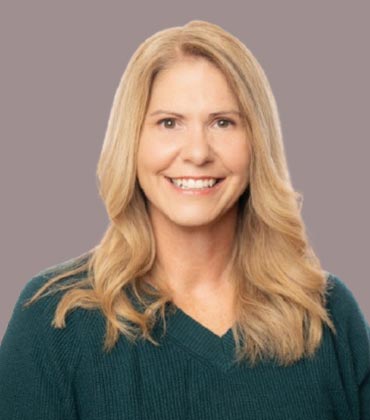
Leading with Purpose: The Approach to Nursing Leadership in Senior Living
Cassie Lovelace, Director of Nursing, Asbury Communities, Inc
Senior Care
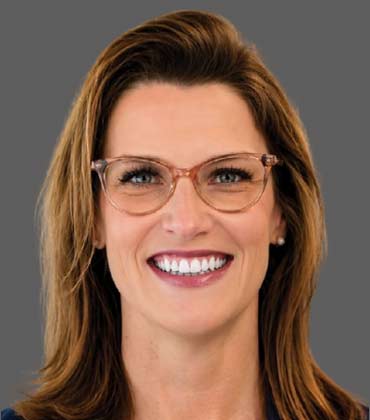
Improving Senior Vascular Health Through Coordinated Value-Based Care
Ashley Rae Medina, VP of Integration and Value-Based Care Partnerships, United Vein & Vascular Centers

IN MY OPINION
Senior Care
Human Centered Leadership in Modern Acute Care
Jenny (MSN RN) Zimmerman, Nursing Vice President, Adult Acute Care, Penn State Health

LAST WORD
Retirement Communities
Value-Based Care in Today's Health Care Environment
Carl Brodarick, Senior Vice President Hospice Development, AccentCare
IN FOCUS
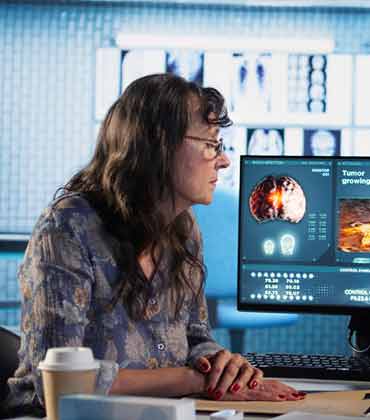
Enhancing Connected Healthcare with Senior Care Monitoring Solutions in Latin America
Senior care monitoring solutions in Latin America improve safety, support independent living, enhance caregiver coordination, and strengthen connected elderly healthcare services.

Future of Senior Care with Assisted Living Consulting in Latin America
Assisted living consulting helps providers improve care quality, operations, compliance, and resident satisfaction.
EDITORIAL
Innovation, Leadership and the Future of Elder Care
Across Latin America, elder care is entering a new phase, shaped by demographic change, evolving expectations around independent aging and the growing role of technology. As more companies seek to develop approaches that will allow them to deliver care outside traditional care facilities, this edition of Elder Care Review Latin America explores the innovations and leadership perspectives redefining support for older adults.
Within this evolving landscape, Ellie Care has been recognized as the Top Senior Care Monitoring Solutions in Latin America 2026 for its software-first approach to remote care. Ellie Care’s platform allows providers to increase their range of available continuous support without interfering with ongoing work processes. This platform includes criticalsignal tracking and fall detection combined with voice-based cognitive assessments, monitoring social interaction and a way to adapt the level of monitoring in relation to the user’s current conditions. Looking ahead, the development of its AI-supported care coordination layer signals a shift from reactive monitoring toward continuous, personalized support.
This issue also highlights leadership perspectives shaping more holistic approaches to elder care. Joseph Caster, Director of Senior Living at Good Samaritan Society, showcases how individualized care, meaningful engagement and strong collaboration with families and healthcare partners can enrich the lives of older adults and elevate long-term care outcomes.
Meanwhile, Jenny (MSN RN) Zimmerman, Nursing Vice President, Adult Acute Care at Penn State Health, believes that the future of care will be determined not just by technology but by leadership. She discusses the importance of communication, psychological safety and workforce wellbeing to achieve both sustainable results and patient-centered care.
Through these organizations and leaders, this issue reinforces the idea that the future of eldercare will be shaped by innovation, integration and human connection. We invite readers to explore these insights and consider how they can help build more responsive and resilient elder care ecosystems across Latin America.
