Top In-Home Nursing Care Services 2026

In-home nursing care services provide professional medical assistance to individuals requiring clinical support in their residences. With a focus on medication management, health monitoring, wound care and personalized nursing plans, they support safer recovery and more comfortable home-based healthcare.

Aspire Home Health and Hospice: A Better Standard for Care at Home
Aspire Home Health and Hospice
A Better Standard for Care at Home
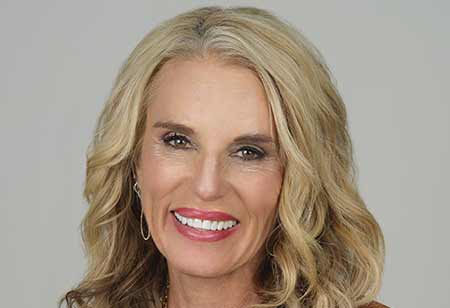
Kris Carter, CEO
For more than four decades, Kris Carter knew what it meant to care for someone she loved. When she was 14, her youngest sister was born with Costello syndrome, an extraordinarily rare genetic disorder. Only about 300 people had been born with the condition, and Carter’s sister was the oldest person living with Costello syndrome in the United States.

Meeting the Demand: How In-Home Nursing Care Services are Changing Healthcare

Healthcare organizations are focusing even more on care models that promote skilled nursing in patients’ homes while supporting continuity beyond clinical facilities. In-home nursing care services can assist with medication administration, wound care, recovery monitoring and routine clinical needs in a familiar setting. For home healthcare agencies, this approach can strengthen coordination between nurses and patients, support individualized care routines and reduce dependence on some facility-based visits. 

Leading with Compassion and Precision in Home-Based Healthcare
Tower Health, Home
Leading with Compassion and Precision in Home-Based Healthcare
Sheila Baublitz, Vice President, Nursing and Operations

Sheila Baublitz is the Vice President of Nursing and Operations at Tower Health at Home, leading clinical and operational functions. Based in Pennsylvania, she focuses on delivering patient-centered care, improving healthcare services and overseeing nursing practices within the organization.

In-Home Nursing Care Services Info

Q1
What Do Top In-Home Nursing Care Services Include?
Top In-Home Nursing Care Services encompass clinical support delivered in a person's home to help manage health conditions, recover from illness or surgery and maintain daily well-being. Depending on individual needs, care may include skilled nursing assessments, medication management, wound care, chronic disease monitoring and education for patients and families. Some services also coordinate with physicians, therapists and other healthcare professionals to maintain continuity between appointments and home visits. The level of support depends on the patient's condition, prescribed care plan and eligibility for particular services. For older adults and people with complex health needs, home-based nursing can provide clinical attention without requiring a move into a residential care setting.
Q2
Why Did ElderCare Review Recognize Aspire Home Health and Hospice in 2026?
ElderCare Review recognized Aspire Home Health and Hospice with the Top In-Home Nursing Care Services 2026 distinction. The recognition highlights its approach to coordinated, patient-centered care across home health, hospice and palliative services. Its care philosophy emphasizes matching support to patients' changing conditions and goals while keeping families involved in decisions. This approach addresses the different needs of people recovering from illness or surgery and those seeking comfort-focused support during serious illness. The recognition places particular emphasis on how consistent care practices and communication can help patients and families navigate healthcare needs at home.
Q3
Why Is Demand for In-Home Nursing Care Increasing?
Interest in Top In-Home Nursing Care Services reflects the needs of an aging population, the growing prevalence of chronic conditions and the preference many people have for receiving care in familiar surroundings. Home-based nursing can also support recovery after hospitalization and help patients manage ongoing treatment without frequent trips to clinical facilities. Families may value the opportunity to remain involved in care while maintaining a familiar daily routine. However, home care is not suitable for every medical situation. Patients who need continuous monitoring or emergency intervention may require a hospital or another specialized setting. The appropriate care arrangement depends on clinical needs, available support and the level of supervision required.
Q4
What Should Families Evaluate When Choosing Home Nursing Care?
When considering Top In-Home Nursing Care Services, families should examine the provider's clinical qualifications, service availability, care planning process and communication practices. It is important to understand which nursing tasks are included, how often visits occur and who to contact when a patient's condition changes. Families should also ask about medication management, infection prevention, coordination with physicians and procedures for handling urgent concerns. Costs, insurance coverage and eligibility requirements deserve attention before services begin. A clear explanation of responsibilities helps families understand what nurses will manage and where additional assistance may be necessary. Care plans should reflect the patient's goals, abilities and changing health needs rather than follow a fixed routine.
Q5
How Does Aspire Home Health and Hospice Approach Consistent Care?
Aspire Home Health and Hospice uses its Perfect Visit model to establish consistent expectations for clinicians entering patients' homes. The process covers preparation, communication with patients and families, hands-on care, medication and supply checks, education, documentation and coordination with the wider care team. Its System 7 training program helps employees learn the process through structured instruction, simulated home-care scenarios and performance review. Annual recertification reinforces these expectations beyond initial orientation. Aspire also reviews care plans as patients' conditions and goals change. These documented practices provide concrete examples of how a provider can organize clinical work while keeping patient needs and family communication central to home-based care.
Q6
How Do Expertise and Technology Shape In-Home Nursing Care Services?
Top In-Home Nursing Care Services depend on clinical judgment, clear communication and reliable coordination as much as on the tools used to deliver care. Secure video consultations may help clinicians maintain contact between in-person visits, while digital documentation can support information sharing across care teams. Medication reconciliation, patient education and timely care-plan reviews also help address changing needs. Technology should complement rather than replace professional assessment and human interaction. Families should ask how a provider protects health information, communicates updates and responds when a patient's condition changes. The most appropriate service model combines qualified clinical support with practical coordination and a care plan suited to the individual's health, comfort and independence.