

Thank you for Subscribing to Eldercare Review Weekly Brief

Baycrest’s Rotman Research Institute Professor, Department of Medicine (Neurology)
Dr. Morris Freedman, Head of Neurology, Baycrest Scientist, Baycrest’s Rotman Research Institute Professor, Department of Medicine (Neurology), University of Toronto
The Virtual Behavioural Medicine program: A game changer for people living with dementia
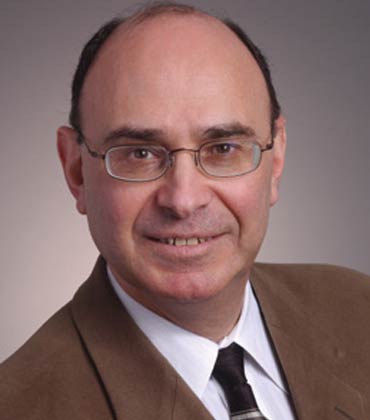
Dr. Morris Freedman
The word dementia typically makes us think of memory loss. However, dementia’s impacts are much broader and can lead to changes in personality, behaviour, and emotional responses, such as aggression, agitation, and hallucinations.
In fact, severe symptoms of dementia are often the driving factor in people living with dementia being transferred to emergency departments, specialized behavioural units, or acute care hospitals to receive treatment and care. Unfortunately, this move can often worsen the behaviour. To address these challenges, we launched Baycrest’s Virtual Behavioural Medicine (VBM) program in 2020. This innovative dementia care program allows clinicians to assess and manage patients with severe neuropsychiatric symptoms of dementia while the patients remain in their homes, whether in the community or long-term care. According to a recent study, VBM can reduce the need for hospital admissions by 60 percent. How VBM works Patients are referred to the VBM program from long-term care and acute care facilities, as well as from private residences and retirement homes. Patients and their families, caregivers, and healthcare teams meet virtually with a VBM physician, who assesses the patient and prescribes interventions. The VBM team, including behavioural neurologists, a nurse, a pharmacist, a neuropsychologist, a social worker, and the Behaviour Support Outreach team, then regularly reviews patient progress during virtual follow-up appointments. There are also bi-weekly rounds to talk about each patient as a team. The program also supports family members in the community, helping them develop and implement care plans and access behavioural and social support.Our innovative dementia care program is instrumental in helping clinicians to assess and manage patients with severe neuropsychiatric symptoms of dementia while the patients remain in their homes
The articles from these contributors are based on their personal expertise and viewpoints, and do not necessarily reflect the opinions of their employers or affiliated organizations.
