

Thank you for Subscribing to Eldercare Review Weekly Brief

Sunnybrook Health Sciences Center.
Saulo Castel, Director of Inpatient Services
Shaping Mental Health and Addiction Services
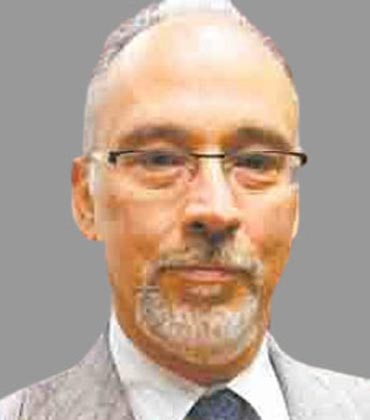
Saulo Castel
Saulo Castel is a prominent figure in the field of mental health and addictions, currently serving as the Director of Inpatient Services at Sunnybrook Health Sciences Center. With over 20 years of experience, Saulo has held various leadership positions, including Deputy Managing Partner at Sunnybrook Psychiatrists and Director of Medical Education and Research at Ontario Shores Centre for Mental Health Sciences. His dedication to addressing mental health and addiction services challenges is evident through his extensive professional background and ongoing contributions to the field.
In an interview with Healthcare Business Review, Castel shares his insights on the recent advancements and the challenges faced in the healthcare industry. What are the main hurdles confronting healthcare systems in Canada, specifically concerning the treatment and support of individuals dealing with mental illness and drug addiction? Well, one of the most pressing issues grabbing headlines daily is the concerning spike in opioid-related deaths, particularly due to the prevalence of fentanyl. There’s an urgent need for enhanced services tailored to this vulnerable population, as the current crisis demands immediate attention and comprehensive intervention strategies. Likewise, there’s been a notable surge in demand for mental health and addiction services in the wake of the pandemic, with individuals dealing with heightened levels of stress, anxiety, and depression. But this increased demand hasn’t been met with a proportional increase in resources, leaving many struggling to access timely and adequate care. While virtual care has offered some relief by providing remote access to mental health support, its full potential remains unrealized due to the absence of a finalized legal and formal infrastructure, which creates barriers to widespread adoption and implementation. What I’m highlighting here is the challenge of licensing restrictions, which can hinder the effective distribution of healthcare professionals across provinces. For instance, while one province may have an abundance of healthcare providers, another may face a significant scarcity. This discrepancy arises because licenses to practice are typically limited to specific provinces, creating obstacles for professionals to work outside their designated regions, which impedes the equitable distribution of resources where they are most needed. Another critical issue revolves around the capacity of healthcare institutions to produce an adequate number of professionals to meet the growing demand. Are we graduating enough healthcare professionals, and are these graduates receiving the necessary support to become successful providers in a timely manner? It’s essential to ensure educational institutions receive adequate resources to train and equip students effectively. There’s a pressing need to explore avenues for recruiting professionals from other provinces or even internationally. Can we effectively recruit physicians from other jurisdictions to address the needs of the Canadian population? Finding efficient ways to bridge this gap is paramount to ensuring timely access to healthcare services for all Canadians. What potential solutions do you see for addressing the challenges posed by the fentanyl crisis? Do you believe prioritizing resource allocation is paramount, or are there alternative treatment approaches that could be explored? In addressing these complex issues, it’s crucial to recognize that simply pouring money into the system may not yield the desired outcomes unless directed strategically. Ensuring that existing treatment alternatives are properly resourced is essential for achieving positive results. To achieve effective results, especially in this sensitive area, we must leverage the wealth of expertise nationwide. Canada has top-tier researchers and clinicians in the mental health and addiction fields. Listening to their insights and understanding their identified priorities will be instrumental. We have the essential ingredients – expertise and knowledge – but it’s crucial to align actions with their guidance. It's important to acknowledge that solutions may not be universally applicable nationwide. The nuances and regional differences in the opioid crisis require tailored approaches. By heeding the advice of experts and addressing regional distinctions, we can develop targeted strategies that effectively combat the challenges at hand. Are there any new technological advancements that you find promising in addressing the challenges in mental health and addiction treatment? Looking ahead, there are certainly promising areas worth exploring. Pharmacological treatments and non-pharmacological biological interventions are consistently being researched. However, it’s important to temper expectations. While these avenues offer potential, they alone may not suffice as comprehensive solutions to the crisis.The articles from these contributors are based on their personal expertise and viewpoints, and do not necessarily reflect the opinions of their employers or affiliated organizations.
