Thank you for Subscribing to Eldercare Review Weekly Brief
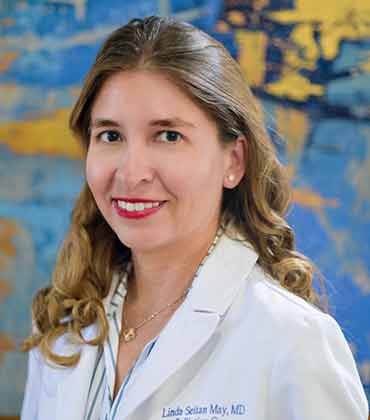 Dr. Linda May, Chief Medical Officer and Medical Director
When hospice care becomes part of a family’s life, medical knowledge matters. So does the person delivering it. At Sacred Mission Hospice, Dr. Linda May, Chief Medical Officer and Medical Director, believes those two things should never be separated.
Dr. May’s connection to end-of-life care began before Sacred Mission existed. As a Plan II Honors student at the University of Texas at Austin, she wrote her thesis on pain management during end-of-life care. She later trained in family medicine and completed fellowships in geriatrics and hospice and palliative medicine. Those experiences shaped a belief: good hospice care starts with understanding the person, not the diagnosis.
The belief is visible in the way Sacred Mission works.
Dr. May continues to see hospice patients in their homes. For her, being there matters because a home visit can reveal things that are easy to miss in a chart. A caregiver may be struggling with medication instructions. A family may have a concern they have not yet voiced. A care plan that looks appropriate on paper may not fit the realities of a household.
“I personally see hospice patients in their homes because being present helps me understand things a chart cannot convey,” says Dr. May.
That attention also explains Sacred Mission’s emphasis on manageable caseloads. The organization wants clinicians to have enough time to listen, assess changes, teach caregivers, and follow through when something needs attention. Its values—Compassionate, Trustworthy, and Reliable—are meant to be experienced by families, not simply displayed as words.
Care That Includes the Family
Hospice rarely involves only one person. A patient may be uncomfortable while a spouse is exhausted or an adult child is trying to understand what comes next. Sacred Mission brings nurses, physicians, hospice aides, social workers, chaplains, and bereavement support into that picture.
Each member of the team sees something different. A social worker may help with practical pressures or difficult decisions. A chaplain can support a family according to its beliefs. Nurses and physicians help caregivers understand what is happening.
-
I personally see hospice patients in their homes because being present helps me understand things a chart cannot convey.
Families should not have to figure out which professional to call. When a concern appears, the team works to recognize it and involve the right person.
Making Hospice Understandable
Sacred Mission also puts considerable weight on conversation. Dr. May begins by asking families what they believe is happening, what worries them, and what they hope hospice can accomplish. From there, the team explains recommendations in plain language, including possible benefits, burdens, and uncertainties.
The conversation may need to happen more than once. Circumstances, symptoms, and caregiver situations change. Sacred Mission revisits care plans as those changes occur rather than treating the original plan as fixed.
The approach extends to communication with referring physicians. The organization connects referral conversations with clinical review so families receive realistic expectations before admission and know who is responsible for follow-up.
Growing Without Losing the Mission
Sacred Mission began in 2023, when Dr. May and her family ran the hospice from their own home. The name itself came from her daughter, who suggested “Sacred Mission” when she was eight. For Dr. May, it captured what hospice work means: being invited into an intensely personal period of a family’s life and accepting the responsibility that comes with that trust.
Today, the organization is strengthening its structure as it grows, with staff education, clearer roles, quality review, and attention to caregiver feedback. It is also developing community-based palliative care to support people earlier in serious illness.
Named a Top Hospice Care Services 2026, Sacred Mission Hospice continues to build its approach around a straightforward idea: families should feel heard, informed, and cared for when they need it most.
Hospice Care Service Info
Q1
What Does Hospice Care Involve When a Person Has a Serious Illness?
Hospice Care Services focus on comfort, symptom relief and support for people approaching the end of life. Rather than concentrating only on treating a disease, care teams help patients manage discomfort while supporting their emotional, spiritual and practical needs. Care may include medical assessments, nursing support, caregiver education, social work and chaplain services. The exact plan depends on the patient's condition, personal wishes and family circumstances. Clear communication helps everyone understand what to expect and make informed decisions as needs change.
Q2
How Does Sacred Mission Hospice Approach Personalized End-of-Life Care?
Sacred Mission Hospice builds its care around direct contact with patients and families. Its Chief Medical Officer and Medical Director, Dr. Linda May, continues to visit patients at home to understand their circumstances beyond what medical records can show. The organization also maintains manageable caseloads so clinicians have time to listen, assess changes, explain care plans and guide caregivers. This approach connects Hospice Care Services with the practical realities of daily life, helping the team identify concerns that might otherwise go unnoticed.
Q3
How Can Hospice Care Services Support Family Caregivers?
Hospice Care Services can help families understand symptoms, follow medication instructions and respond when a patient's condition changes. Caregiver education and regular communication are important because relatives may feel uncertain about what to do or whom to contact. Support can also extend to emotional, social and spiritual needs. A coordinated care team allows different professionals to address different concerns, while bereavement support can help families cope with loss. Families should also discuss available services and responsibilities with the provider before care begins.
Q4
What Should Families Consider When Choosing a Hospice Provider?
Families evaluating Hospice Care Services should look at how providers explain treatment options, respond to concerns and involve caregivers in decisions. It is useful to ask how often clinicians visit, how families can reach the team, and what happens when symptoms or care needs change. Families should also understand which medical, social and spiritual services are available and how the provider coordinates them. A clear care plan, realistic expectations and regular reviews can help patients receive appropriate support as their circumstances evolve.
Q5
How Do Communication and Teamwork Shape Hospice Care Services?
Hospice Care Services work best when medical care and family support are coordinated. Nurses, physicians, hospice aides, social workers and chaplains can each address different aspects of a patient's experience. Families need clear explanations of recommendations, including their possible benefits, burdens and uncertainties. Sacred Mission Hospice uses conversations to understand what families believe is happening, what concerns them and what they hope to achieve. It also connects referral discussions with clinical review, helping families understand care expectations and follow-up responsibilities before admission.
Q6
How Can Hospice Care Services Adapt as Patient Needs Change?
Hospice Care Services should respond to changes in symptoms, personal circumstances and caregiver capacity rather than rely on a fixed plan. Regular discussions help the care team identify new concerns and adjust support when necessary. Sacred Mission Hospice reviews care plans as circumstances change and is developing community-based palliative care to support people earlier in serious illness. For families, this highlights the importance of asking how providers review care, share updates and coordinate next steps throughout the patient's journey.
Company :
Sacred Mission Hospice
Management Dr. Linda May, Chief Medical Officer and Medical Director
Description
Sacred Mission Hospice delivers personalized end-of-life care grounded in clinical expertise, ethical decision-making, and meaningful family support. Led by experienced physicians and multidisciplinary clinicians, the organization provides attentive home-based care while helping patients and caregivers navigate complex decisions with compassion, clarity, and trust.