Thank you for Subscribing to Eldercare Review Weekly Brief
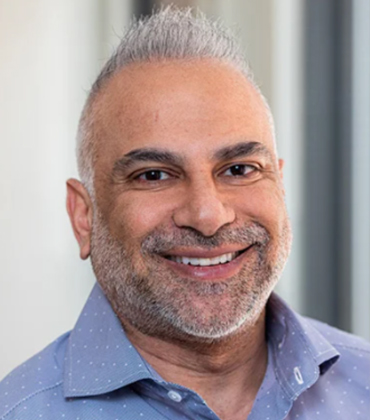 Amish Patel, Founder and CEO
In post-acute care, patient recovery depends on more than the quality of clinical decisions made at the bedside. It also relies on coordinated clinical support, timely communication and informed decision-making across care teams, making sure patient recovery and facility performance are closely interconnected.
Medrina has built a post-acute care model that recognizes patient recovery and facility success as inseparable. It is one of the nation's largest physiatry groups, serving more than 1,500 skilled nursing facilities and other post-acute care providers. It supports millions of patient visits annually through a nationwide network of physiatrists, nurse practitioners and physician assistants who work as an extension of each facility's care team.
Rather than simply evaluating patients, rounding and leaving, they work closely with physicians, nursing teams, therapists, social workers and caregivers to coordinate care throughout a patient's stay. They participate in care planning, support facility staff in addressing patient needs and help ensure everyone works toward the same recovery goals.
To support its nationwide network, Medrina has built a ‘cocoon of services’ around each provider. Virtual support, AI-powered clinical tools, educational resources and data-driven insights help reduce documentation, billing, administrative tasks and outcome-reporting burdens. Clinicians can focus on patient care while hospitals and partner facilities benefit from consistent clinical practices and measurable outcomes.
"Everything we build around our providers ultimately makes a much bigger difference for the patient," says Amish Patel, founder and CEO.
Improving Outcomes Through Coordinated Care
Medrina’s physiatrists even keep an eye on conditions that fall outside their primary area of responsibility. They monitor changes that may indicate broader health concerns and communicate those observations with nursing teams and internal medicine physicians, providing an additional layer of clinical oversight.
-
Everything we build around our providers ultimately makes a much bigger difference for the patient.
They also help families understand why a loved one cannot return home yet. The clinical reasons for continued rehabilitation are explained, which gives families greater confidence in the care plan.
In markets where internal medicine coverage is limited, Medrina fills those gaps by providing its own physicians for internal medicine and wound care, among other specialties, depending on facility needs as well as local hospital needs. When multiple Medrina providers work together within a facility, shared electronic health records and coordinated workflows strengthen communication and improve care coordination and outcomes.
Establishing Value through Measurable Outcomes
Medrina relies on data to guide clinical decisions. The organization tracks readmissions, length of stay, pain scores and functional outcomes to evaluate care quality and identify opportunities for improvement. In recent pilot programs with hospital systems, Medrina showed improved performance across these key quality measures. Hospital partners were able to compare and verify the results, strengthening the case for broader collaboration.
Beyond using these insights internally, Medrina helps partner facilities present performance data to hospitals, insurance providers, Medicare and other payers. The same data is shared with referring hospital systems to demonstrate care quality and strengthen relationships.
Technology continues to support its clinical care. Ocular AI converts lengthy, unstructured hospital records into concise clinical summaries. Med IQ uses AI-driven risk stratification to assess comorbidities, prior hospitalizations, supplemental oxygen needs and home environments, to help providers identify patients who require closer monitoring and extra care.
Building Continuity through Culture
For partner facilities, continuity of care depends on provider continuity. To preserve both, Medrina manages recruitment internally, prioritizing cultural fit. Residency dinners and conversations with Medrina’s team give candidates an honest understanding of the day-to-day practice and the organization's culture. Before any provider signs, Medrina has peer-to-peer conversations so candidates receive firsthand perspectives from clinicians who have nothing to gain by convincing them to join. Nobody is paid to "close" a provider.
This recruitment style and provider support have helped Medrina maintain provider retention above 90 percent year after year.
Looking ahead, Medrina is boosting its value-based care strategy with the launch of its own accountable care organization (ACO) in 2027. It will move from limited upside risk to full risk-sharing, aligning high-quality patient outcomes with value-based reimbursement.
Choosing Post-Acute Care Services That Improve Outcomes
Healthcare leaders evaluating post-acute care services face growing pressure to reduce avoidable readmissions, manage complex patients and demonstrate measurable value to hospitals and payers. Skilled nursing facilities now care for individuals with greater medical complexity while operating under tighter financial constraints and workforce shortages. Success depends less on the number of services offered and more on whether a clinical partner can improve recovery, coordinate care and provide credible evidence of better outcomes.
Effective post-acute care begins with consistent collaboration rather than isolated physician visits. Rehabilitation physicians, nursing teams, therapists, social workers and primary care providers all influence a patient's recovery, making communication essential. A clinical partner that participates in care planning, engages families in discharge decisions and works alongside facility staff helps create continuity beyond immediate symptom treatment. Such collaboration supports safer transitions, strengthens confidence among patients and families and enables facilities to address challenges before they become costly complications.
Objective performance measurement has become central to executive decision-making. Hospitals and payers increasingly expect post-acute providers to demonstrate improvements through validated outcomes instead of anecdotal success stories. Readmission rates, length of stay, functional improvement and pain management are meaningful indicators because they reflect clinical quality and financial performance. Organizations that collect, interpret and present these metrics give facilities stronger evidence during payer negotiations while reinforcing referral relationships with acute care partners.
Technology has also become an important part of post-acute care, but its greatest value lies in supporting clinicians rather than replacing their judgment. AI can reduce documentation time, summarize lengthy patient records and flag individuals who may be at greater risk for complications. With less time spent on administrative work, clinicians can focus more attention on patient care. When integrated effectively, these tools improve consistency, strengthen compliance and fit naturally into existing clinical workflows.
"Medrina’s post-acute care model brings together physical medicine and rehabilitation, pain management, wound care and internal medicine to provide coordinated care across skilled nursing facilities."
Another factor that is often overlooked is provider stability. Frequent turnover disrupts continuity of care, weakens relationships with facility staff and can ultimately affect patient outcomes. Organizations that invest in clinician education, peer support and strong operational resources are better positioned to retain physicians and advanced practice providers. Stable care teams help facilities build long-term partnerships while minimizing the disruption that comes with repeated provider transitions.
Buyers should also consider whether a partner can scale across locations without sacrificing responsiveness. National reach offers little value if local facilities receive inconsistent support. Sustainable growth depends on structured clinical processes, accessible educational resources and technology that allows providers to access information quickly while maintaining personalized care. Strong infrastructure behind the clinician can be as important as the clinician delivering care because it enables consistent service quality across geographies.
Medrina reflects many of these qualities. Its post-acute care model brings together physical medicine and rehabilitation, pain management, wound care and internal medicine to provide coordinated care across skilled nursing facilities. The company complements its clinicians with educational resources, administrative support and technology that streamlines documentation and strengthens clinical decision-making. AI-powered tools help providers quickly review complex patient histories and identify patients who require closer attention, while a strong focus on measurable outcomes supports discussions with hospitals and payers. Combined with national experience, high provider retention and a growing value-based care strategy through accountable care organizations, Medrina offers healthcare executives a post-acute care partner focused on improving patient outcomes while building lasting clinical relationships.
...Read more
Post-Acute Care Services Info
Q1
What Are Post Acute Care Services?
Post Acute Care Services help patients continue recovering after a hospital stay by providing the medical oversight and rehabilitation needed to regain strength, mobility and independence. Rather than ending when a patient leaves the hospital, recovery continues through coordinated care that may include physical medicine, pain management, rehabilitation planning, care coordination and remote patient monitoring. The goal is to help patients recover safely, avoid setbacks and make a smoother transition to the next stage of care.
Q2
How Does Medrina Deliver Post Acute Care Services?
Medrina delivers Post Acute Care Services through a physician-led physiatry model that keeps rehabilitation at the center of patient care. Its physiatrists work across hospitals, skilled nursing facilities, inpatient rehabilitation facilities and assisted living communities, coordinating with therapists, nurses and care teams to guide recovery. Today, Medrina supports approximately 900 physicians serving more than 1,500 facilities and reports about 2.5 million patient visits each year. Alongside rehabilitation medicine, its approach includes pain management, remote patient monitoring and individualized care plans that help patients continue progressing throughout recovery.
Q3
What Should Organizations Look For in Post Acute Care Services?
Choosing Post Acute Care Services involves more than comparing clinical offerings. Organizations should look for providers that bring physicians, therapists and care teams together around a shared rehabilitation plan while maintaining consistent oversight throughout recovery. Individualized treatment, interdisciplinary collaboration, regulatory compliance and measurable quality outcomes all contribute to better care. Programs that reduce avoidable readmissions while helping patients regain function can also improve both patient experience and facility performance.
Q4
How Do Post Acute Care Services Improve Patient Outcomes?
The best Post Acute Care Services focus on helping people get back to living their daily lives, not simply managing a diagnosis. Through rehabilitation medicine, coordinated therapy, chronic condition management and ongoing physician involvement, patients receive care that adapts as they recover. This approach can improve mobility, reduce falls, support better pain management and lower hospital readmissions while giving patients greater confidence as they move between care settings.
Q5
Why Is Physician-Led Rehabilitation Important in Post-Acute Care?
Physician-led Post Acute Care Services place physiatrists at the center of the rehabilitation journey. They evaluate each patient's functional goals, coordinate treatment with therapists and nurses and adjust care plans as recovery progresses. Having a physician oversee rehabilitation across multiple care settings helps maintain continuity, improves communication among caregivers and gives patients a more consistent path toward recovery.
Q6
What Makes Medrina Distinct in the Post Acute Care Services Market?
Medrina stands apart through its physician-owned model and one of the nation's largest physiatry networks dedicated to rehabilitation medicine. The organization partners with healthcare providers across the continuum of care while supporting initiatives such as patient-driven payment model optimization, care coordination and remote patient monitoring. By combining rehabilitation expertise with ongoing clinical oversight, Medrina delivers Post Acute Care Services that keep patients progressing toward better function while helping facilities strengthen quality and continuity of care.
Company :
Medrina
Management Amish Patel, Founder and CEO
Description
Medrina is one of the nation's largest physiatry groups, partnering with skilled nursing facilities and other post-acute care providers to deliver rehabilitation-focused physician services through a nationwide network of physiatrists, nurse practitioners and physician assistants. Serving more than 1,500 facilities, the organization combines multidisciplinary clinical expertise with technology and operational support to improve patient outcomes and strengthen post-acute care delivery.