

Thank you for Subscribing to Eldercare Review Weekly Brief

Bear Valley Community Healthcare District (BVCHD)
Scott M. Surico, BSN, RN, DSD, MICN, Director of Patient Care Management and Education
Using Technology to Transform Rural Patient Care
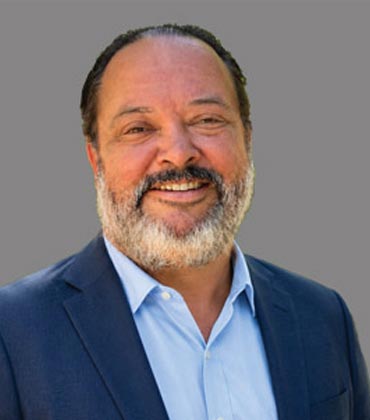
Scott M. Surico
For more than thirty-three years, my career has been shaped by a single driving force: improving the way patients receive care. I began as an Emergency Medical Technician, working both on an ambulance and in an urgent care setting. Those early experiences ignited a desire to deepen my clinical knowledge, ultimately leading me to become a Registered Nurse and later earn my nursing degree.
My first role as an RN was on an orthopedic and neurology medicalsurgical floor, which quickly progressed to the Cardiovascular Intensive Care Unit. During eight years in CCU/CVICU, I pursued every certification and training opportunity available, determined to learn as much as possible, as quickly as possible. I also worked part-time as a pediatric nurse, fulfilling my passion for caring for children. These experiences prepared me for the next major chapter of my career: joining one of the busiest Emergency Departments in our county. Over the next decade, I applied every skill I had to meet the demands of emergency care, the most challenging, rewarding and defining period of my professional life. I contributed to the implementation of sepsis protocols, the development of a comprehensive stroke program and the creation of a behavioral health emergency initiative, including authoring a Trauma-Informed Care course. Eventually, I became the Emergency Services Educator, a role that reshaped my understanding of patient needs across the ED, inpatient units and ICU, as well as the needs of families navigating crisis. It also taught me how to tailor education to diverse learning styles, a skill that continues to guide my leadership today. Currently, I serve as the Director of Patient Care Management and Education at a rural critical-access hospital in a mountain resort community. Here, the challenges are unique: balancing patient acuity with staffing skill mix, navigating limited resources and designing solutions that support patient safety and staff well-being. This role has transformed my approach to nursing, shifting me from traditional “grit and grind” methods toward technology-driven innovation. Technology as a Rural Care Equalizer One of the most impactful examples of this shift has been our journey to becoming a stroke-ready facility. Coming from a comprehensive stroke center, I recognized immediately that our rural community faced significant delays in accessing specialty stroke care. With the support of our CEO, I helped lead the effort to close that gap.Technology has not replaced the heart of nursing: it has amplified it, allowing us to deliver safer, faster, and more equitable care no matter where we practice.
The articles from these contributors are based on their personal expertise and viewpoints, and do not necessarily reflect the opinions of their employers or affiliated organizations.
