

Thank you for Subscribing to Eldercare Review Weekly Brief

Kauhale Health
Pamela Reese, RN, Partner, SR VP, Resident Experience
Beyond Activities: Creating Purposeful Living in Assisted Living and Memory Care
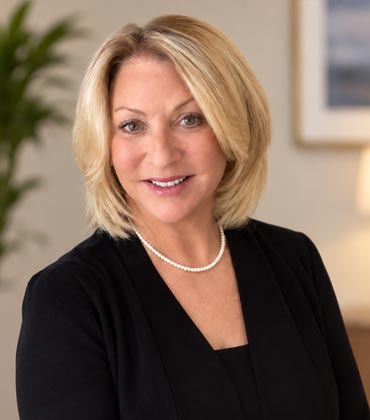
Pamela Reese
After more than three decades working in senior care, I have learned that one of the greatest responsibilities we have as leaders is not simply to provide good care, but to help people continue to have a reason to engage in life.
That is the heart of purposeful living. In assisted living and memory care, medication management, fall prevention, monitoring changes in condition, maintaining a resident at their optimal health baseline, providing proper nutrition and ensuring a safe environment are standards of practice. They are fundamental responsibilities of quality senior care, and our residents and families should expect us to do them well. But meeting the standard of care should be our starting point, not the entirety of what we provide. When an older adult moves into assisted living or memory care, we naturally focus on what they need: assistance with bathing or dressing, medication management, mobility support, nutrition, supervision and safety. These things are essential. But if we focus only on needs, risks and diagnoses, we can unintentionally overlook something equally important: Who is this person, and what still gives their life meaning? Purposeful living begins with understanding that moving into senior living does not erase a person's identity, history, abilities or desire to contribute. For one resident, purpose may mean helping fold towels because she spent years caring for her family. For another, it may be watering plants, setting tables before lunch, talking about a career he was proud of, listening to favorite music, attending worship, helping another resident or simply choosing where to sit and how to spend the afternoon. These moments may appear small to us. To the resident, they can represent independence, familiarity, belonging and dignity. Purpose Is More Than an Activity Calendar One mistake senior living providers can make is equating purposeful living with scheduled activities. A full calendar is valuable, but purposeful living should not begin at 10:00 a.m. when an activity starts and end when the activity director leaves for the day. It should happen throughout the community. Purposeful living also means continuing to provide opportunities to learn, experience, celebrate and discover. Aging does not mean a person's curiosity disappears. Residents should have opportunities for educational programs, guest speakers, art, music, gardening, technology, community outings and experiences they may never have tried before. Why not offer a swing dance lesson? Bring in a local historian for a discussion. Teach residents something about a country they have never visited and then serve food from that culture. Invite a musician to explain an instrument before performing. Create opportunities for residents to mentor others, share their own expertise or teach a skill they have spent a lifetime developing. Purpose is not only about remembering who someone was. It is also about giving them opportunities to continue becoming, learning and experiencing.Purpose is not only about remembering who someone was. It is also about giving them opportunities to continue becoming, learning and experiencing.
The articles from these contributors are based on their personal expertise and viewpoints, and do not necessarily reflect the opinions of their employers or affiliated organizations.
