

Thank you for Subscribing to Eldercare Review Weekly Brief

Regina Health Center
Natalie Kennedy, Director of Nursing
From Top-Down Leadership to Shared Responsibility
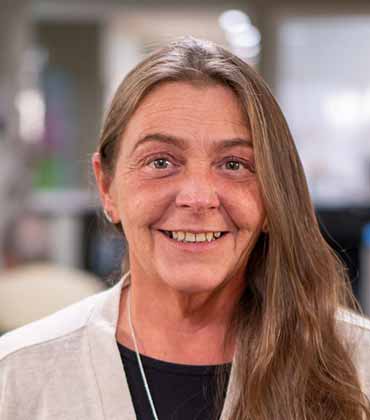
Natalie Kennedy
I never set out to be a director of nursing. I walked in the door at Regina Health Center 14 years ago and was hired on the spot as a night-shift LPN (licensed practical nurse). I moved through second shift, then first shift and then became a care coordinator, a clinical nurse manager, an assistant director of nursing and, finally, a director of nursing. What I’ve come to understand along that path is that the title changed more than I did. I'm still that same nurse who came in on nights, still willing to do whatever it takes to help a resident, no matter what else is happening that day. That, more than anything, is what I think leadership in elder care requires.
Leadership doesn’t happen in an office or at the top of an org chart. I've worked in places like that earlier in my career. I promised myself I would never lead that way. Leadership, to me, isn't a title. It’s a constant, physical presence on the floor, in the halls and in the small moments that make up a resident’s day. Presence is the job. People ask what makes Regina Health Center stand out. It always comes back to the same thing: direct involvement at every level of leadership. Not occasional rounding, but genuine, constant availability to staff, residents and families alike. I have a resident with terminal stage 4 cancer who needs to be disconnected from a 48-hour chemo infusion every other Sunday evening. Rather than have him make the trek back to Cleveland, I come in myself, bring him McDonald’s and we visit while I take care of it. Those small things, repeated consistently, are what tell a resident and their family they are truly cared for and not just clinically managed. I believe culture starts at the top and moves down and staff notice when it does. That fosters collaboration because there is a high level of trust. I tell our team if they think something should change, come and talk to me. It’s not just to make them feel better because they’re able to tell me. It’s actually taking action on their suggestions. They can see their idea is being used. You Can't Lead People You Don't Know Somewhere along the way, someone decided efficiency meant treating everyone the same way. I understand the appeal. It’s easier to manage a large staff when everybody does things identically. I’ve found the opposite is true when it comes to quality. Care and compassion improve when you trust staff to decide their best way through the day and simply be there to support them.Leadership, to me, isn't a title. It’s a constant, physical presence on the floor, in the halls and in the small moments that make up a resident’s day.
The articles from these contributors are based on their personal expertise and viewpoints, and do not necessarily reflect the opinions of their employers or affiliated organizations.
