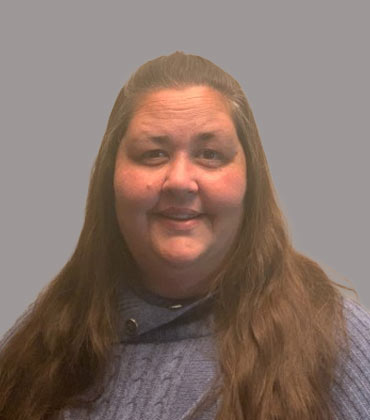
Approaching Senior Living Care Operations
Anyone in operations would agree that a lot has changed in healthcare operations.
I started in 1998 in Long Term Care at a large facility in Milwaukee as a Director of Finance (BOM). Reimbursement was always a struggle, balancing payer sources and piloting different Medicaid Programs. In 2003, I shifted to Assisted Living Operations as an Administrator and Regional Director in RCACs and CBRFs throughout Indiana and Wisconsin. In 2020, during the global Covid-19 pandemic, I eventually shifted to Home Care Services.
I had a deep need to do something “different.” I always knew I wanted to continue working with seniors and advocating for them, but in a different way. I wanted to help people stay where they were or where they wanted to be. I will always advocate for and support facilities, as I know that is where many choose or need to go, but there are also many options for people to stay at home and have services brought to them.
Regulators can make assisted living challenging, and I give a shout-out to all operators in long-term care (LTC) and assisted living. The dedication and commitment they give every day are something you don’t realize is given 24/7 until you are in those positions.
Care operations are also driven by the organizations and people you work for. I have been fortunate to work for amazing, ethical, and positive companies. Northshore Healthcare in Milwaukee, previously known as Extendicare/Fortis, supported me for over 12 years at a residential care apartment complex (RCAC), where we maintained a deficiency-free facility—not because of me, but because of the organization and team behind me.
Do what is right for your clients and staff. At the end of the day, we are here for the people.
In 2022, I started with Tudor Oaks as a Home Care Director, running operations in Waukesha and Milwaukee County with about 40 staff and 32 clients. Tudor Oaks is operated by American Baptist Homes of the Midwest (ABHM), a nonprofit in Minneapolis. Their beliefs, mission, standards and support are beyond what I could have asked for.
When financial or staffing challenges arise, I am always reminded: “Do what is right for your clients and staff. At the end of the day, we are here for the people.” That support is what operators need, and I am fortunate to have it with ABHM.
Balancing Census Growth with Financial and Operational Responsibilities
Grow smart.
Every home care client is different, needs change daily, and there is always a balancing act between making visits happen with the right staff, supporting client needs and ensuring safety. We are always hiring the right people for casual and part-time caregiving positions. It never stops! This allows us to stay ready to take on new clients while hiring people who can grow in their positions with the support they need.
Smart growth also means understanding the needs we see, educating ourselves, and staying a step ahead. We recently piloted a virtual/hybrid option for home care. This does not replace personal caregiving but provides 24/7 support at a minimal cost. Caregivers can provide one-on-one assistance during the day, while hybrid monitoring continues after they leave. It can sense where clients are in the home, detect falls, monitor blood pressure, administer medication through a medication portal machine and provide peace of mind between visits.
Many clients do well when caregivers are present, but feel uncertain when they leave. Since having someone there 24/7 is not always financially realistic, hybrid monitoring offers an additional layer of safety. Our primary operations will always be live, in-person care, but adding services that provide more options has been very helpful.
Strategies for Employee Training, Engagement and Retention
In home care operations, employee retention and engagement, by far, is the biggest challenge. It takes patience to understand who employees are and what they need. Each employee is different, so leaders must adapt to different skill levels and personalities. How I communicate with one employee may be very different from another. Recognizing the unique qualities each employee brings is key. We look at their strengths, assign them to clients where they can hopefully succeed and provide education where needed.
I have also found that educating myself allows me to better train and support my staff. In my assisted living positions, I became certified as a medication administrator instructor through the State of Wisconsin, allowing me to provide the training needed for staff certification while continuing to support them through everyday challenges.
An increase in referrals needing dementia support in home care led me to become a National Certified Dementia Practitioner. I wanted to better understand these challenges and help employees develop effective ways to work with clients experiencing memory issues.
It is my hope that when caregivers feel supported and respected, the retention piece will fall into place.
Transparency and Trust in Team Leadership
Whenever I meet with a new employee or leader, I also try to be very transparent about the role or conversation we are having. Even with new employees, I share “the bad”, things that can go wrong or the challenges with being a caregiver.
Of course, there are always positives, but every job has negatives. I firmly believe it is how we approach and deal with the negatives that impact the outcome. If you’re proactive, anticipate setbacks and have a plan to handle them, it makes this so much easier in the end.
The leaders who are all positive and don’t provide any opportunity for feedback are going to struggle. Holding people accountable, staying consistent with policies and being approachable are important, while always remaining humble and kind. They are the words best used to explain my leadership goals.
I do believe that as a leader, we need to look at our strengths and build a team around us to support each other. My strengths have always been financial management, census growth, compliance and training. I have always had a team behind me to help with clinical support, scheduling and caregivers. Operating with diversity and interdisciplinary collaboration empowers operators to combine their skills with the skills of their team to have the best outcomes.