

Thank you for Subscribing to Eldercare Review Weekly Brief

Ascentria Care Alliance
Kristine Binette, Vice President of Senior Living Operations
The Solo-Agers are Here: Why Senior Living Must Rethink Who it Serves
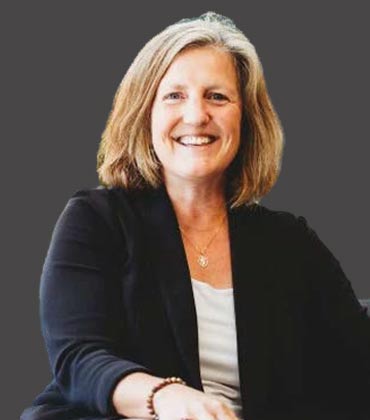
Kristine Binette
For decades, senior living has built its outreach, programming and even its sales conversations around a familiar family unit: the concerned adult daughter calling on behalf of mom, the son touring three communities before dad moves in and the emergency contact who signs paperwork and attends care conferences. As both senior living operations leader and someone who expects to age without that traditional safety net myself, I believe we have to say the quiet part out loud: that model has served many families well, but it is quietly leaving too many older adults behind.
Solo-agers are adults 50 and older who are living without a spouse, without children or without a family they can reliably call on for support. They are not a niche. More older adults are living alone, more are aging without children nearby, and more are entering later life without the family safety net senior living has long assumed would be there. Add in those who are estranged from family, whose children live far away or whose loved ones are unable to help because of illness, addiction, disability or financial strain, and this population touches nearly every community we serve. Recognizing the Changing Face of Aging From my vantage point in senior living operations, this is not a distant demographic shift. It is already showing up in inquiries, move-in conversations, care planning, discharge discussions and crisis calls. We are meeting older adults who are thoughtful, capable and independent, yet do not have the traditional family advocate beside them when health, housing or financial decisions become urgent. If senior living continues to design its systems around the assumption that every older adult has a daughter or son waiting in the wings, we will fail a growing segment of the very population we are meant to serve. This issue is personal to me, but it is also professional. As a senior living operations leader, a licensed nursing home administrator and an occupational therapist, I have seen aging from the operational, regulatory, clinical and deeply human sides. I have watched families struggle to make decisions in crisis, and I have watched older adults without family support try to carry that burden alone. That lens has deepened my belief that solo-agers are not on the margins of senior living; they are part of the future we must be ready to serve, including many gray divorcees and LGBTQ older adults who have built meaningful lives outside traditional family structures. They are a call to redesign how we welcome, assess, support and advocate for older adults. Creating a New Value Proposition for Solo-Agers The word solo-ager can conjure too narrow an image. In reality, this group is remarkably diverse. Some are lifelong singles who built rich, independent lives. Some are widows or widowers whose children have passed, moved far away or become unavailable. Some are divorced later in life and never remarried. Others have children they love but cannot lean on because of geography, illness, addiction or old wounds. Financially, solo-agers span the entire spectrum. Some are retired professionals with substantial savings. Others are stretching a fixed income while watching the costs of in-home care, assisted living, and everyday essentials rise beyond what they expected. What unites them is not income. It is the absence of a built-in support system. In my experience, solo-agers are often far less fragile than the label might imply. Many are proud of the lives they have built, deeply invested in their independence and clear about wanting control over their next chapter. They are not waiting to be rescued. They are looking for practical options, trustworthy relationships and a setting where they can remain themselves while knowing that someone will notice when help is needed. If senior living continues to design its systems around the assumption that every older adult has a daughter or son waiting in the wings, we will fail a growing segment of the very population we are meant to serve.
The articles from these contributors are based on their personal expertise and viewpoints, and do not necessarily reflect the opinions of their employers or affiliated organizations.
