

Thank you for Subscribing to Eldercare Review Weekly Brief

Ascentria Care Alliance
Kristine A. Binette, Vice President of Senior Living Operations
More Human, Not Less: Why Senior Living Must Double Down on Connection
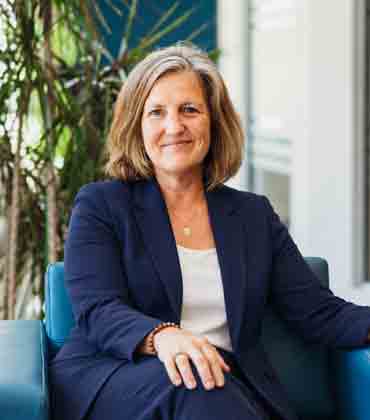
Kristine A. Binette
Every few weeks, another pitch lands on my desk promising to make care "more efficient" by replacing a human touchpoint with a screen, a bot or a sensor. Some of these tools are genuinely useful, and I am not anti-technology. But I am concerned about a quiet assumption behind the trend: that human contact is a cost to be minimized, rather than the very thing we are here to deliver.
It is not. In senior living, connection is the clinical intervention. Decades of research link chronic loneliness and social isolation to higher risks of depression, cognitive decline, heart disease and early death. When I walk our communities, I see this truth in small moments: a resident who eats more when someone sits beside her, or a gentleman who suddenly remembers his own stories when a young culinary server asks about them. No algorithm produced those outcomes. A person did. The solo ager challenge Nowhere is this more urgent than with solo agers, the older adults who are aging without a spouse, children or family nearby. Their numbers are growing quickly, and they have the least built-in safety net. There is no adult child to notice the unopened mail, no nearby relative to drive them to an appointment and no one who simply calls on Sunday. For a solo ager, the community they choose is more than housing. It becomes their family infrastructure. If we answer that need with more technology and fewer people, we hand our most vulnerable neighbors the thinnest version of care. Technology should extend human reach, never replace it. Why intergenerational connection matters Seniors need more than company. They need a variety of people in their lives. When older adults spend time with younger neighbors, they feel needed again. A retired teacher who helps a student with reading gains a sense of purpose and a reason to look forward to tomorrow. Younger people benefit too. A nursing student learns patience and compassion from a resident's stories, and a young professional far from home finds a friendly face, a mentor and a more hopeful view of growing older. Both generations are lonelier than they should be, and bringing them together helps both.Isolation is not a side effect of aging. It is a design failure, and we can design our way out of it.
- Student-in-residence programs. Offer college students, nursing students or young professionals reduced rent in exchange for a few hours each month spent getting to know residents. Some European communities already do this, and it works.
- Childcare and after-school programs on campus. Put a preschool or homework club under the same roof. Many young children are growing up without grandparents nearby, and time with older adults helps them thrive. I have watched seniors read stories and help with crafts at a daycare, and both the children and the seniors lit up. Everyday moments like these mean more than any scheduled "special event."
- Skill-swap spaces. Residents share what they know, from cooking to storytelling, while younger neighbors share their own skills, from smartphones to podcasting. Everyone gets to be both teacher and student.
- Community-as-campus partnerships. Welcome small businesses, coworking desks or a café that is open to the public, so neighbors have a reason to walk through our front door.
- Chosen-family circles for solo agers. Pair residents with volunteer "family" members of all ages who share regular dinners, celebrate holidays and come along to medical appointments. It gives solo agers something they often lack: people who show up.
- High-tech, high-touch design. Let technology make room for human moments. AI can let us know when a resident has not left their apartment in a few days so a team member can stop by and knock. The technology spots the need, and a person meets it.
The articles from these contributors are based on their personal expertise and viewpoints, and do not necessarily reflect the opinions of their employers or affiliated organizations.
