

Thank you for Subscribing to Eldercare Review Weekly Brief

Willow Brook Christian Communities
Heidi Reed, CEAL, CDP, Assisted Living Director
A Calling to Care: Leadership, Trust, and the Future of Assisted Living
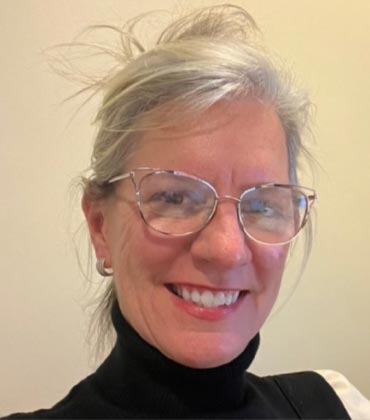
Heidi Reed
I did not originally set out to build a career in senior living. Like many in this field, I entered through a combination of opportunity and calling. Early on, I found myself drawn to roles that allowed me to build meaningful relationships and make a tangible difference in people’s daily lives.
Over time, working with older adults quickly taught me that senior living is not simply about care. It is about dignity, purpose, and honoring a lifetime of stories. Each resident brings a history of experiences, values, and relationships that deserve to be recognized and respected. That realization has shaped not only my career path but my philosophy of leadership. The Relationships That Define Care One of the most rewarding aspects of serving older adults is witnessing how small, intentional actions can profoundly impact their quality of life. Whether helping a resident regain confidence, supporting a family through a difficult transition, or empowering staff to deliver care with compassion, these moments define the work we do. At its core, caregiving is built on trust. The invitation to care for a loved is one of the greatest gifts we receive as caregivers. When a family chooses our community, it reflects a profound level of confidence in our ability to provide not only competent care but compassion, safety, and connection. As an Assisted Living Director, my leadership approach is grounded in presence, empathy, and accountability. I believe that organizational culture is shaped by what leaders consistently model. Creating a positive and supportive environment begins with listening to residents, families, and staff and responding with transparency and respect. I strive to lead in a way that values collaboration and professional growth while also setting clear expectations. When teammates feel supported, heard, and equipped to perform their roles effectively, residents benefit directly. Leadership in senior living requires a careful balance between operational excellence and human connection. Neither can succeed without the other. Responding to Senior Living Realities Today’s senior living communities face a range of complex challenges, including workforce shortages, increasing regulatory demands, and rising acuity levels among residents. Staffing continues to be one of the most pressing concerns, and addressing it requires more than recruitment efforts alone. Leaders must invest in retention by fostering environments where teammates feel valued, well-trained, and connected to the mission. Navigating evolving regulations while maintaining person-centered care requires adaptability and resilience in parallel. The most effective approach I have observed is one that actively engages teammates in problemsolving. These individuals often have the clearest view of challenges that may go unseen at other levels. Empowering teams to think creatively and contribute solutions fosters collaboration, strengthens trust, and builds an infrastructure that is more conducive to quality care.Leadership in senior living requires a careful balance between operational excellence and human connection. Neither can succeed without the other.
The articles from these contributors are based on their personal expertise and viewpoints, and do not necessarily reflect the opinions of their employers or affiliated organizations.
