When people think about aging and healthcare, the conversation often focuses on what happens when older adults become seriously ill or require hospitalization. While hospitals play an essential role in treating acute illness, some of the most important healthcare interventions occur long before a crisis develops.
In primary care, we have the opportunity to build relationships, identify concerns early and help older adults maintain their health, independence and quality of life.
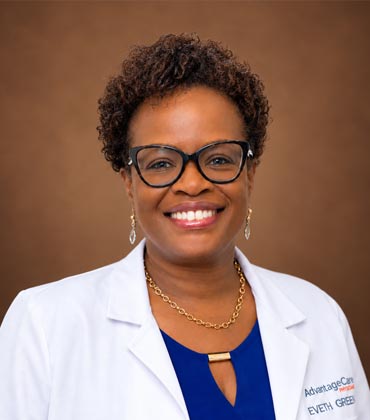
Throughout my career, I have served in clinical, administrative and operational leadership roles that have shaped my understanding of how quality healthcare is delivered. From providing direct patient care as a staff nurse and nurse practitioner to leading nursing services, each role has reinforced the importance of coordinated, patient-centered care. Today, as Vice President of Nursing at AdvantageCare Physicians (ACPNY), those experiences continue to influence my approach to leadership and the care of older adults.
One of the most important lessons I have learned is that aging should not be viewed solely through the lens of illness. Many older adults remain active, engaged and deeply connected to their families, communities and passions. Healthy aging is not simply about living longer but about maintaining independence, purpose and overall well-being. Healthcare professionals have a responsibility not only to treat disease but also to support the goals and priorities that matter most to patients.
As a primary and specialty care practice with 30+ offices serving half a million patients across the New York metropolitan area, AdvantageCare Physicians is uniquely positioned to support this goal, as it is often when healthcare relationships begin, long before hospitalization becomes necessary. Over time, primary care teams develop a deeper understanding of a patient's medical history, lifestyle, support systems and healthcare needs.
In primary care, we have the opportunity to build relationships, identify concerns early and help older adults maintain their health, independence and quality of life.
The Agency for Healthcare Research and Quality describes primary care as integrated, accessible healthcare that addresses the majority of an individual's health needs through sustained relationships with patients, families and communities.
For older adults, these long-term relationships are especially valuable. As people age, they often manage multiple chronic conditions while navigating specialty visits, medication regimens and changes in mobility, cognition, nutrition and overall functioning. These changes can be subtle and easily overlooked. A patient may become less active, miss medications or experience mild memory difficulties. Because primary care teams know their patients over time, they are often able to recognize concerns early and intervene before they develop into more serious problems.
Research has shown that multiple chronic conditions can complicate treatment decisions, increase healthcare utilization, and negatively affect quality of life. One of the aspects of primary care I value most is the opportunity to understand what matters most to each patient. Many of our patients have been with our practice for years. We know their families, understand their personal circumstances and appreciate the goals that guide their healthcare decisions.
For one patient, maintaining independence at home may be the highest priority. For another, it may be staying healthy enough to travel, caring for a loved one, volunteering, or remaining active in the community. These conversations help ensure that care plans reflect the individual, not just their diagnosis.
As a nurse leader, I know that nurses play a critical role in supporting healthy aging. Nurses often serve as the bridge between patients, providers, families and the broader healthcare system. They reinforce education, coordinate care, identify emerging concerns, and help patients navigate an increasingly complex healthcare environment. The patient-centered medical home model recognizes nurses and interdisciplinary team members as essential contributors to comprehensive, coordinated care.
One of the greatest opportunities in primary care is the ability to intervene before a health concern becomes a crisis. While not every hospitalization can or should be prevented, strong primary care can identify risks early, support chronic disease management, improve care coordination, and address barriers before they lead to more serious complications. These efforts often happen quietly behind the scenes, but they can have a significant impact on the lives of older adults and their families.
As our population continues to age, healthcare must increasingly focus on supporting wellness, independence, and quality of life. From my perspective as a nurse leader, caring for older adults is about more than managing medical conditions. It is about honoring individual goals, preserving dignity, and building systems of care that help people live well as they age. Primary care, supported by strong nursing leadership, remains one of the most powerful tools we have to help older adults lead healthier, more fulfilling lives.