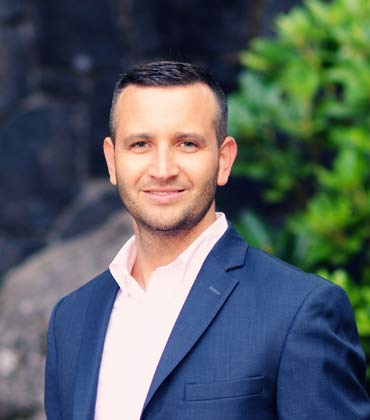
Better Places Drive Purpose
My connection to senior living started long before I ever thought of it as a career.
My grandmother worked as an Activity Director, and I grew up around senior living communities. I saw firsthand that these buildings are much more than real estate, they become someone’s home, and the people working inside them become part of their lives.
I ultimately came into the industry through operations, not development, and I think that has shaped the way I look at development today.
After more than 20 years in senior living, what still motivates me is the opportunity to create something better. We aren't just developing buildings; we're creating places where people may spend an incredibly important chapter of their lives. There is a tremendous responsibility that comes with that, but also an incredible opportunity to rethink what senior living can be.
Affordability Tests Development Models
Affordability is probably the biggest challenge facing our industry. Construction costs, land costs, interest rates, labor and operating expenses have all increased significantly, but there is a limit to what the consumer can afford.
We can build an incredible community, but if the economics require rents that only a very small percentage of seniors can afford, we haven't solved the larger problem.
I think the industry needs to become much more creative. That means looking at different building models, smaller footprints, infill development, cottages and pocket neighborhoods, adaptive reuse, and more flexible service models. We also need developers and operators sitting at the same table much earlier. Too many projects are designed first and handed to operations later. The operating model should help drive the development, not be forced to fit into it afterward.
Ask Hard Questions Early
One of the biggest lessons I've learned is that you have to be willing to challenge assumptions, even your own.
I've spent most of my career on the operating side of senior living, and that has taught me to look at development decisions through a very practical lens. It is easy to fall in love with a rendering or a concept. The harder questions are: Will residents actually value this? Can the team operate it efficiently? Can we staff it? Does it create revenue or improve the resident experience? And ultimately, does the investment make sense?
I also believe strongly in surrounding myself with people who know more than I do in their respective areas and giving them permission to disagree with me. The best decisions I've made haven't necessarily come from having the answer myself; they've come from getting the right people around the table, asking difficult questions and then being decisive once we have the information.
Choice Redefines Community Models
I think the next decade will be less about building traditional senior living communities and more about giving older adults different ways to live.
The consumer is changing. The next generation isn't going to accept senior living simply because that's what was built for the generation before them. They want choice, flexibility, hospitality, technology, wellness and a greater connection to the surrounding community.
I'm particularly excited about smaller residential models, cottages and pocket neighborhoods, and concepts where independent living can be combined with services such as home health as residents' needs change. We're exploring that philosophy with our LiveWell concept because I believe there is a significant population that wants the benefits and security of senior living without necessarily wanting to live in a traditional senior living building.
Technology and AI will also have a major impact, but I don't believe technology replaces hospitality or human connection. The winners will be the organizations that use technology behind the scenes to make the resident and employee experience more personal, not less personal.
Build Beyond Assumptions
Learn operations. You can understand construction, finance, architecture and development extremely well, but if you don't understand what happens inside that building at 7:00 on a Saturday morning, you're missing an important part of the equation.
Spend time in communities. Talk to Executive Directors, caregivers, sales teams, culinary teams, residents and families. Understand why one floor plan sells and another doesn't. Understand how staffing patterns work. Understand what creates unnecessary operating expenses. Most importantly, understand what residents actually care about versus what we, as developers, think they should care about.
I would also tell people not to be afraid to challenge the traditional senior living model. This industry has tremendous opportunities ahead of it, but the next generation of successful communities won't come from simply recreating what we've already built. The people who will have the greatest impact are going to be the ones willing to question the model, understand the consumer and build something better.
My connection to senior living started long before I ever thought of it as a career.
My grandmother worked as an Activity Director, and I grew up around senior living communities. I saw firsthand that these buildings are much more than real estate, they become someone’s home, and the people working inside them become part of their lives.
I ultimately came into the industry through operations, not development, and I think that has shaped the way I look at development today.
After more than 20 years in senior living, what still motivates me is the opportunity to create something better. We aren't just developing buildings; we're creating places where people may spend an incredibly important chapter of their lives. There is a tremendous responsibility that comes with that, but also an incredible opportunity to rethink what senior living can be.
Affordability Tests Development Models
Affordability is probably the biggest challenge facing our industry. Construction costs, land costs, interest rates, labor and operating expenses have all increased significantly, but there is a limit to what the consumer can afford.
We can build an incredible community, but if the economics require rents that only a very small percentage of seniors can afford, we haven't solved the larger problem.
I think the industry needs to become much more creative. That means looking at different building models, smaller footprints, infill development, cottages and pocket neighborhoods, adaptive reuse, and more flexible service models. We also need developers and operators sitting at the same table much earlier. Too many projects are designed first and handed to operations later. The operating model should help drive the development, not be forced to fit into it afterward.
Ask Hard Questions Early
One of the biggest lessons I've learned is that you have to be willing to challenge assumptions, even your own.
I've spent most of my career on the operating side of senior living, and that has taught me to look at development decisions through a very practical lens. It is easy to fall in love with a rendering or a concept. The harder questions are: Will residents actually value this? Can the team operate it efficiently? Can we staff it? Does it create revenue or improve the resident experience? And ultimately, does the investment make sense?
I also believe strongly in surrounding myself with people who know more than I do in their respective areas and giving them permission to disagree with me. The best decisions I've made haven't necessarily come from having the answer myself; they've come from getting the right people around the table, asking difficult questions and then being decisive once we have the information.
-
The next generation of successful communities won't come from simply recreating what we've already built. The people who will have the greatest impact are going to be the ones willing to question the model, understand the consumer and build something better.
Choice Redefines Community Models
I think the next decade will be less about building traditional senior living communities and more about giving older adults different ways to live.
The consumer is changing. The next generation isn't going to accept senior living simply because that's what was built for the generation before them. They want choice, flexibility, hospitality, technology, wellness and a greater connection to the surrounding community.
I'm particularly excited about smaller residential models, cottages and pocket neighborhoods, and concepts where independent living can be combined with services such as home health as residents' needs change. We're exploring that philosophy with our LiveWell concept because I believe there is a significant population that wants the benefits and security of senior living without necessarily wanting to live in a traditional senior living building.
Technology and AI will also have a major impact, but I don't believe technology replaces hospitality or human connection. The winners will be the organizations that use technology behind the scenes to make the resident and employee experience more personal, not less personal.
Build Beyond Assumptions
Learn operations. You can understand construction, finance, architecture and development extremely well, but if you don't understand what happens inside that building at 7:00 on a Saturday morning, you're missing an important part of the equation.
Spend time in communities. Talk to Executive Directors, caregivers, sales teams, culinary teams, residents and families. Understand why one floor plan sells and another doesn't. Understand how staffing patterns work. Understand what creates unnecessary operating expenses. Most importantly, understand what residents actually care about versus what we, as developers, think they should care about.
I would also tell people not to be afraid to challenge the traditional senior living model. This industry has tremendous opportunities ahead of it, but the next generation of successful communities won't come from simply recreating what we've already built. The people who will have the greatest impact are going to be the ones willing to question the model, understand the consumer and build something better.