



Thank you for Subscribing to Eldercare Review Weekly Brief
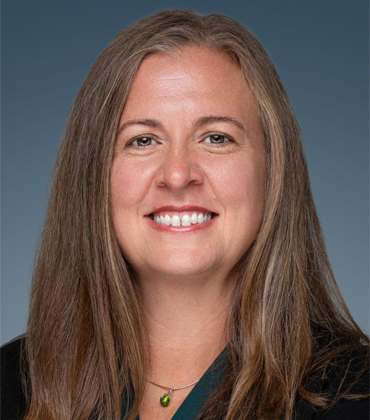 Dr. Jennifer Rucci, Founder, MD, CMD, DFAP
For patients in long-term care, consistent, coordinated care can make a meaningful difference. As their medical needs become more complex, they benefit from clinicians who understand their history, recognize changes early, and work proactively to address concerns before they escalate.
Eventus WholeHealth creates dedicated teams focused exclusively on long-term care patients. Their clinicians are trained to understand the realities of skilled nursing and assisted living settings, enabling them to build relationships with residents and provide care that is responsive to their ongoing needs.
This continuity also benefits facilities. Eventus teams work closely with facility staff to manage risks, coordinate treatment, and support improved quality measures. By partnering with clinicians who understand the regulatory requirements and operational challenges of long-term care, facilities can more effectively maintain compliance while delivering high-quality care.
Long-term care facilities operate in one of the most highly regulated areas of healthcare, and meeting compliance requirements while maintaining quality outcomes can be challenging. Eventus helps facilities navigate that environment through a focused, consistent approach to care.
According to Dr. Jennifer Rucci, the company’s impact extends beyond individual patients. “Our mission is to take care of the people in long-term care, and yes, that includes the patients, but that also includes the facilities, and for that matter, that also includes our staff,” she says.
A Care Partner, Not Just a Service Provider
Long-term care facilities operate in one of the most highly regulated areas of healthcare. Meeting compliance requirements while maintaining quality outcomes can be challenging, especially as patient populations become more medically complex.
Eventus WholeHealth differentiates itself by focusing exclusively on this environment. Its clinicians are trained to understand the realities of skilled nursing and assisted living settings, including the regulatory requirements and operational challenges facilities face every day.
Unlike providers who may visit long-term care communities occasionally while managing other responsibilities, Eventus creates dedicated teams focused on this patient population. The company emphasizes consistency, allowing facilities and residents to build relationships with clinicians who understand their history and ongoing needs.
This continuity allows providers to identify concerns earlier and take a more proactive approach to care. Instead of waiting for problems to escalate, Eventus teams work closely with facility staff to manage risks, coordinate treatment, and improve quality measures.
Bringing Primary Care and Mental Health Together
One of Eventus WholeHealth’s strongest differentiators is the way it combines primary care and mental health services under one coordinated approach.
In many healthcare settings, these services are managed separately, often by different organizations. While both areas may provide value independently, disconnected care can create challenges. Medication decisions may not align, communication gaps can develop, and care plans may become fragmented.
Eventus addresses this challenge by bringing these disciplines together. Primary care providers, behavioral health professionals, and support teams collaborate through shared systems, communication, and coordinated planning.
This approach creates a clearer understanding of each resident’s complete health picture. Physical conditions, emotional well-being, medications, and behavioral needs are considered together rather than treated as separate issues.
The company has found that when primary care and mental health services work together, outcomes improve across several important areas, including medication management, fall reduction, hospital avoidance, and overall cost of care.
For residents in long-term care, where physical and mental health challenges often overlap, this coordinated approach creates a more complete path toward wellness.
A Team-Based Approach to Better Outcomes
Behind Eventus’ care delivery is a multidisciplinary team that brings together physicians, psychiatrists, psychologists, advanced practice clinicians, care coordinators, and behavioral health specialists.
This structure allows each professional to focus on their area of expertise while working toward a shared objective. Clinicians can spend more time making medical decisions and connecting with patients because other team members help manage the information, coordination, and administrative responsibilities surrounding care.
-
Eventus has proven we care better when physical and mental healthcare come together around the needs of the whole person.
Care coordinators play a critical role by gathering information from hospitals, outside specialists, and families. This ensures providers have a complete understanding of each resident’s medical background before making treatment decisions.
Eventus has also invested in a dedicated teletriage team that supports patients during nights and weekends. Rather than relying on outside providers unfamiliar with the company’s approach, this internal team understands Eventus’ systems, protocols, and commitment to keeping residents safely cared for within their communities whenever possible.
Using Technology to Strengthen Human Connections
While healthcare technology continues to evolve, Eventus views innovation as a tool to support better relationships between clinicians and patients.
The company uses technology to improve communication between healthcare systems, recognizing that residents often have information spread across facility records, hospital systems, and provider platforms. Connecting these sources allows clinicians to make more informed decisions.
Eventus was also an early adopter of AI ambient scribing technology, which helps clinicians document patient encounters more efficiently. By reducing the amount of time providers spend on administrative tasks, the technology allows them to focus more fully on conversations and interactions with residents.
The company also uses digital tools to support care coordination, identify hospital visits, manage transitions of care, and improve operational workflows. These solutions help ensure important information is captured quickly and acted upon appropriately.
Stronger Partnerships with Facilities and Families
Eventus’ relationship with long-term care facilities goes beyond traditional provider interactions. Clinicians participate in facility meetings, quality improvement initiatives, and daily discussions about resident care.
This level of involvement allows Eventus teams to understand facility operations while working alongside nursing staff and leadership toward common goals.
Family communication is another important part of the company’s approach. Eventus recognizes that families provide valuable insight into residents’ histories and preferences while also needing reliable information about their loved ones’ care.
Through direct communication and patient portal access, the company creates additional opportunities for families to remain connected, informed, and involved.
Demonstrating the Power of Partnership
The value of Eventus’ approach can be seen through the improvements achieved with facility partners. One nursing home that partnered with Eventus faced significant challenges, including a low quality rating, regulatory concerns, and clinical performance issues.
After implementing Eventus’ comprehensive care approach, the facility improved its rating from one star to three stars, and now to five stars, with continued progress expected. The partnership also contributed to reductions in rehospitalizations, emergency room visits, falls, and overall healthcare costs.
Importantly, the improvement extended beyond clinical measures. The facility experienced reduced staff turnover, demonstrating how consistent clinical support can positively influence the broader workplace environment.
Looking Toward the Future of Long-Term Care
As healthcare continues moving toward value-based care, Eventus sees an opportunity to help shape the next generation of long-term care delivery.
The company is focused on expanding its reach, entering new markets, and strengthening its participation in outcome-focused healthcare models. However, Rucci believes lasting change requires collaboration among healthcare providers, facilities, and payers.
The future of long-term care depends on aligning clinical excellence with sustainable financial models. By bringing together the right partners, Eventus believes better outcomes can be achieved at scale.
Beyond serving its own patients and partners, the company also shares its expertise through industry education, advocacy, and collaboration with academic and healthcare organizations.
Eventus’ journey reflects a broader transformation taking place across long-term care. By combining dedicated clinicians, coordinated services, technology, and meaningful partnerships, the company is working to create a healthcare model where residents receive the support they need and facilities have the resources required to succeed.
LTC Primary Care and Mental Health Services Info
Q1
What Do LTC Primary Care & Mental Health Services Include?
LTC Primary Care & Mental Health Services bring medical and behavioral health needs into a coordinated care model for residents in long-term care. The scope can include primary care, psychiatric and psychological support, medication management, care coordination and ongoing monitoring. In this setting, LTC Primary Care & Mental Health Services can help clinicians consider physical conditions, emotional well-being and behavioral needs together rather than through disconnected plans.
Q2
How Does Eventus WholeHealth Approach Integrated Care in Long-Term Care?
Eventus WholeHealth focuses exclusively on long-term care and builds dedicated teams for residents in skilled nursing and assisted living settings. Its multidisciplinary structure includes physicians, psychiatrists, psychologists, advanced practice clinicians, care coordinators and behavioral health specialists. By combining these roles, LTC Primary Care & Mental Health Services can support shared clinical planning while care coordinators gather information from hospitals, outside specialists and families.
Q3
Why Is Coordination Important in Long-Term Care?
Long-term care residents may have complex medical histories and information distributed across facility, hospital and provider systems. LTC Primary Care & Mental Health Services address this challenge through communication, coordinated treatment and continuity. Effective coordination can help clinicians identify changes earlier, manage medications with greater context and reduce gaps between physical and behavioral care. It also gives facility teams a clearer framework for discussing resident needs and responding to emerging concerns.
Q4
What Factors Should Facilities Consider When Evaluating These Services?
Facilities evaluating LTC Primary Care & Mental Health Services can examine clinical scope, continuity, communication, staffing structure and responsiveness outside routine visits. The ability to work within skilled nursing and assisted living environments is also important because care must align with facility workflows and regulatory requirements. Eventus WholeHealth provides an example of this model through facility meetings, quality improvement initiatives, daily care discussions and an internal teletriage team supporting patients during nights and weekends.
Q5
How Can Technology Support Care in Long-Term Care Settings?
Technology can strengthen LTC Primary Care & Mental Health Services when it improves information flow without replacing clinical relationships. The company connects information across healthcare systems to support care coordination, hospital-visit identification and transitions of care. It also adopted AI ambient scribing to reduce documentation time for clinicians. These tools can help teams capture relevant information efficiently while preserving more time for patient conversations and clinical decisions.
Q6
How Can Integrated Care Affect Long-Term Care Outcomes?
By connecting LTC Primary Care & Mental Health Services, they can provide a more comprehensive profile of residents who have both physical and mental health needs. The company says its coordinated approach has helped with medication management, fall reduction, hospital avoidance and cost-of-care initiatives. One nursing home partnership went from a three-star to a five-star rating, as well as the claimed decrease in rehospitalizations, emergency room visits, and falls. The example shows how an integrated clinical support can be more comprehensive than simply individual encounters, encompassing facility performance. From a facility and family perspective, continuity can also help them to better understand the evolving needs of the person and to share and document care decisions along the way. The usefulness will only be realized through a consistent coordination and clinical accountability.
Company :
Eventus WholeHealth
Management Dr. Jennifer Rucci, Founder, MD, CMD, DFAP
Description
Eventus WholeHealth is transforming long-term care through a connected approach that combines primary care, mental health services, technology, and dedicated clinical teams. By partnering with facilities, residents, and families, the company delivers coordinated care designed to improve outcomes and redefine healthcare experiences.
