

Thank you for Subscribing to Eldercare Review Weekly Brief

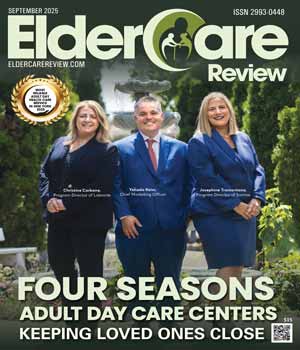
Four Seasons Adult Day Care Centers
Keeping Loved Ones Close
As more families seek compassionate, community-based alternatives to nursing homes, Four Seasons Adult Day Care Centers is the trusted lifeline that keeps medically fragile adults safe, supported, and socially connected. With nearly three decades of experience and the distinction of operating New York’s largest medical adult day care program, the organization blends clinical rigor with human warmth in a model that others now look to emulate. However, Four Seasons’ story is not just about size. It is about impact. For 29 years, the center has delivered measurable improvements in client health and caregiver morale by replacing rigid institutional routines with personalized care plans and a culture of dignity. Adapting with Heart Since opening its doors in 1996, Four Seasons has made one goal non-negotiable: keeping older and medically fragile adults out of hospitals and nursing homes. Believing that aging or disability should never force isolation, the team has built a vibrant community where participants stay physically, emotionally and socially engaged. It has weathered every industry shift, from reimbursement overhauls to the rise of managed-care networks. Its most challenging test came in 2020 with the COVID-19 pandemic. While others closed permanently, Four Seasons took action to keep its mission alive. The team delivered fresh meals weekly to nearly 400 clients and ensured that care continued through remote health monitoring, emotional check-ins, and ongoing social connection. Even at a distance, bonds between staff and clients remained strong. Care without Barriers, Connection without Limits Choosing care outside the home is rarely easy. It comes with stress, often guilt, and the need to find the right fit. Four Seasons eases that burden with a comprehensive approach that makes the process simpler, more supportive, and far less overwhelming. There is no cookie-cutter approach. Its specialized centers support a broad spectrum of needs, offering tailored services for the deaf and hard of hearing and those with developmental disabilities or mental health challenges. Each registrant receives a care plan developed by nurses, social workers, dietitians, and physical therapists. Cultural, dietary and recreational preferences are always considered. “We take the time to understand each individual’s unique wants and needs, and we customize each plan of care to ensure it is truly person-centered,” says Josephine Tramontana, program director at Sunrise since 1996. Communication forms a backbone of trust. To ensure participants feel seen, heard, and at ease from day one, the staff includes native speakers of English, Russian, Polish, Hebrew, Creole, Italian, and both American and Russian sign language. A Heartfelt Home Away from Home Each day at Four Seasons offers new chances to connect, create and enjoy life. The environment is warm and inviting. Friendships blossom, stories are shared, and participants rediscover purpose. Whether painting, enjoying music, heading out on group outings, or relaxing with a favorite hobby, there is always something to enjoy.
Hospice Care
It can be hard to put into words what life feels like when you or someone you love is facing a terminal or life-limiting illness. There’s the uncertainty, the emotional weight, and the need for care that feels both skilled and deeply kind. Legacy Hospice recognizes that this period can be incredibly complex and emotional, both for patients and their loved ones. In response to that understanding, it has been dedicated to supporting individuals and families by providing care that balances medical needs with comfort, dignity, and compassion. Its team provides thoughtful treatment, calming therapies, and emotional support in places that feel familiar and safe, whether at home, in an assisted living community, or a nursing facility. Every person is met with care that reflects who they are and what matters to them. Legacy Hospice is there to ease the weight of illness and help create space for connection, peace, and a sense of being truly cared for. “Legacy Hospice was born from a desire to do better. We take on the hard parts so families and professionals can focus on what truly matters most,” says Karin Johnson, CEO. Compassion Backed by Experience Legacy Hospice believes that end-of-life care is not only a clinical service, it’s a calling to meet people where they are, often in their most vulnerable moments. Guided by this belief, its approach is both comprehensive and compassionate, addressing medical complexities while easing the emotional and logistical weight on families and partner facilities. Its Medical Directors are board-certified in Hospice and Palliative Care, bringing over 20 years of specialized experience to every patient and facility it serves. With onsite consultations, its team helps alleviate the demands on staff while enhancing the quality and responsiveness of care. It implements progressive, evidence-based treatment protocols that allow for effective symptom and pain management, helping facilities treat in place and reduce the need for distressing hospital transfers. Alongside medical care, a Complimentary Therapy Team offers a unique, holistic layer of support. Whether part of a larger care plan or provided on its own, these services bring emotional, physical, and spiritual comfort, offering patients dignity, peace, and connection.

Senior Monitoring Solution

As older adults choose to age at home or in supported living, the small things matter. How often someone gets up at night. How steady they are on their feet. Whether their breathing has changed, even slightly. These subtle shifts are often the earliest signs that someone may need more support. Most seniors rely on traditional care models such as scheduled nurse visits or call-button monitoring. While helpful, these methods often miss daily changes like disrupted sleep, unsteadiness, or labored breathing, which can go unnoticed between check-ins. Caspar AI helps close that gap. It provides a quiet, always-on monitoring system installed in a person’s home or senior care facility. Discreet, wall-mounted sensors use radar technology to continuously track movement, breathing, and sleep patterns without cameras, microphones, or wearable devices. Once in place, the system runs in the background and requires no interaction from the individual. “Care isn’t always about big emergencies. Sometimes it is about noticing the small changes, the ones that can make all the difference when you catch them early,” says Ashutosh Saxena, founder and CEO. Turning Everyday Signals into Meaningful Support Caspar AI uses artificial intelligence to analyze sensor data in real time, spotting subtle changes that may indicate a fall risk, illness, or other health concerns. When something seems off, it alerts care teams early, allowing them to act before the situation escalates. This proactive approach enhances safety, supports independence, and reduces the burden on caregivers, all while protecting the individual’s privacy and routine. What may seem like minor changes in daily patterns can, in fact, signal something more serious. Increased bathroom visits, restlessness in bed, or subtle changes in breathing often point to emerging health issues that traditional monitoring may overlook. In one case, a patient had daily discomfort, though her vitals appeared normal during routine checks. Caspar AI revealed that her heart rate and breathing spiked each afternoon, leading to the discovery of a medication interaction. A small adjustment resolved her symptoms.
Home Care
The extraordinary appears in quiet, everyday details at The Convalescent Home of Winnipeg (TCHW). Two roommates who barely knew each other six months ago now share stories and morning coffee. A small group of ladies, fresh from their hair appointments, stops to check on the well-being of the pet rabbits before heading into a baking program. These moments are not accidents. They come from an intentional philosophy at TCHW, where aging is treated as life continuing to unfold, not as something to manage. For 120 years, TCHW has served Winnipeg’s seniors as a non-profit organization governed by a volunteer board. What sets it apart isn’t longevity but approach. While most facilities focus on medical needs first, TCHW starts with a different question: how to help someone truly live while receiving the support they need. Instead of viewing residents as patients with problems to solve, TCHW sees them as people with stories to continue writing. This thinking shapes every operational decision, from staff training to meal planning to organizing activities. Walk through TCHW and the difference is immediate. You’ll hear laughter from the recreation room, conversations in the dining area and music drifting through the halls when their “roving musician” is paying a visit. The 84 residents here don’t passively receive services but participate in creating the community they want to live in. When health needs are complex, TCHW’s 24-hour nursing team addresses them precisely. Staff manage medications carefully, track health changes and proactively bring in outside specialists. “Every service supports not only the individual but their entire family, creating a true circle of care,” says Sherry Heppner, development coordinator. Rather than presenting families with standard care plans, TCHW fosters their involvement in creating individualized approaches. Recreation staff design programs around each resident’s interests and life history. Even routine medical care is coordinated to minimize disruption to residents’ established rhythms.

Home Care

As our loved ones grow older, their needs can range from a light helping hand to more comprehensive support. What they truly seek is care that is flexible, personalized, and delivered with compassion and consistency—care that respects their unique circumstances while preserving their dignity and comfort. While many seniors prefer the familiarity of home, others may benefit from a more all-inclusive solution. Yet not all in-home care options offer the breadth of services or the heartfelt reassurance that families deserve. Advantage Senior Care rises above the rest by providing a wide range of services—from light assistance to high-touch care—tailored to each individual’s unique needs. Offerings include light housekeeping, grooming and bathing assistance, meal preparation, laundry, companionship, and help with other daily living activities. The company also supports clients with Alzheimer’s and dementia, providing specialized services such as structured family caregiving, comfort care, transportation, medication reminders, grocery shopping, and more. With a deep understanding of these needs, Advantage Senior Care delivers professional, compassionate support where it matters most: home. “We make aging in place possible through personalized in-home care,” says Kristen Seidle, Marketing and Recruitment Specialist. “From everyday tasks to more specialized care, our caregivers provide the support seniors need while preserving their dignity and autonomy.” Such a level of comprehensive care in a non-medical setting is rare. It stems from the vision of the founder—a caregiver who didn’t just understand the role, but lived it. Drawing from years of firsthand experience, she recognized that effective senior care begins with supporting caregivers themselves. Building on that philosophy, Advantage Senior Care has assembled a strong, well-structured team with clearly defined roles. Its EDV Home Care Scheduler plays a critical role in daily operations, ensuring every caregiver is where they need to be, every shift is covered, and clients receive the highest level of care. Meanwhile, the company’s Intake Coordinator supports new clients through one-on-one interactions to assess their needs in detail. Whether someone requires help managing incontinence, arranging medical equipment, or simply seeking companionship, a personalized care plan is always developed.
Home Care
For over thirty years, families across Florida have turned to Trinity Health Care Services in moments of need and transition. From the beginning, it has earned lasting trust by staying true to one guiding principle—putting patients first. Every detail of Trinity’s service model reflects a commitment to trust, compassion and continuity. The focus stays on building meaningful relationships that support individuals and families through each stage of life. In a field where genuine human connection makes all the difference, Trinity’s difference is simple but powerful; they care like family. It began with the co-founders, Marie Smith and Dr. Gabriel T. Smith. In 1993, they combined hands-on experience and clinical knowledge to build a care model rooted in consistency and compassion. Mary, a former home health aide, saw firsthand the gaps in patient support. She often brought individuals into her home during holidays and hurricanes to ensure they were not alone. Dr. Smith, who trained as a physician in the Dominican Republic and later earned a U.S. master’s in health administration, brought healthcare quality standards and regulatory compliance to the model. Together, they created a framework centered entirely on people. “You have to be willing to see what a patient needs, not just what they tell you, but what they don’t even realize they’re missing,” says Edwin Cherfilus, CEO and son of the founders. That principle remains central to Trinity’s continuum of care. From complex pediatric respiratory support to geriatric personal care, Trinity delivers outcomes-focused in-home services. Whether funded privately or through Medicaid/ Medicare, care plans are holistic, integrating skilled nursing, therapy and caregiver coordination. Trinity manages both private-pay and insurance-funded cases, adjusting its care delivery as needed. It coordinates with referring physicians and case managers to align care plans while keeping families directly involved in every step. Every new relationship at Trinity begins with a thoughtful intake process. A comprehensive assessment sets the stage for tailored care, ensuring the patient’s clinical and personal needs are fully understood. From there, care managers take the lead in coordinating with physicians, insurers and family members to build a support structure that is as cohesive as it is compassionate.

Senior Living Financial Services

Transforming Life Enrichment and Memory Care
Daniela Vegas-Fox, Assistant Vice President, Trilogy Health Services
Senior Monitoring Solution

Specialized Home Care for People with Alzheimer's Disease
Laura Silverstein, Administrator/Director of Patient Service, True Care Home Care
Senior Living Solutions

Navigating New Terrains of Dementia Care with Leadership and Innovation
Dawn Platt, National Director of Memory Care Programs, Discovery Senior Living
Digital Health
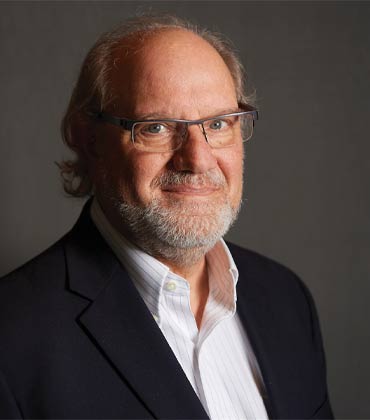
Revisiting Hospice: The Continued Drive for Acceptance
John Mulder, Chief Medical Consultant for Hospice and Pallaitive Care, Holland Home
Senior Living Product Manufacturing
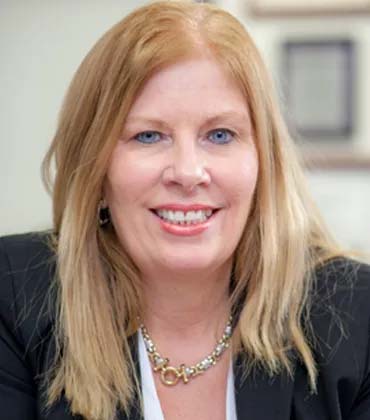
Home Care Technologies: Helping Us See More, Know More, and Do More for People
Rose Madden-Baer, DNP, APRN, MSN, MHA, FAAN, BC-PHCNS, CPHQ, CHCE Senior Vice President, Population Health and Clinical Support Services, Visiting Nurse Service of New York
Senior Care
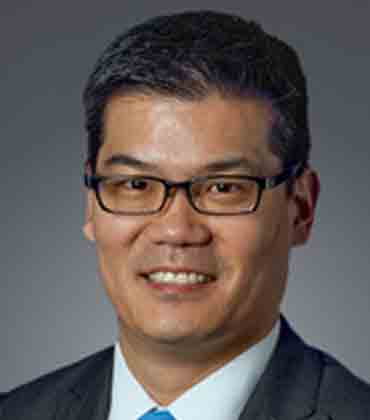
Imaging Application in Radiation Therapy
Heeteak Chung, Ph.D., MBA, Director of Medical Physics, Baylor Scott and White Health
Senior Care

Enhancing Patient Care And Leadership In Home Health Nursing
Melissa Greer, Clinical Manager, CenterWell Home Health

IN MY OPINION
Senior Care
The Future of AI in Home Healthcare
Kathy Hoffman, Chief Clinical Officer, Pinnacle Home Care

LAST WORD
Senior Living Solutions
Shifting the Trajectory of Elder Care
Ashley Watts, Director of Home Care Operations, Elite Home Care
IN FOCUS

The Evolution and Expansion of Non-Medical Home Care
The non-medical home care industry is growing rapidly due to aging populations, chronic conditions, and technology, with a projected market value of over $816 billion by 2033.

Culturally Responsive Home Care as the New Standard in Eldercare
Culturally responsive senior care prioritizes personalized services that respect diverse backgrounds and values, ensuring quality and dignity in home-based eldercare for aging individuals.
EDITORIAL
A New Era of Senior Care
In today’s aging society, care extends into our homes, communities and everyday life. The senior care ecosystem is evolving into a connected, compassionate, and technology-enabled network that delivers not only medical support but also human dignity, independence, and quality of life. At the heart of this transformation are seven key pillars: home health care services, non medical home care, AI-driven fall prevention, senior home care, in-home hospice, senior placement services, and adult day health care. Together, they’re reshaping what it means to age with grace.
Among the most reliable champions of this change is Four Seasons Adult Day Care Centers, a standout in the adult day health care space. With a focus on clinical oversight, social engagement, and caregiver relief, Four Seasons offers a safe, enriching environment that bridges the gap between home and full-time care. It’s a model built on trust, community, and holistic well-being.
Meanwhile, home health and non-medical home care are expanding rapidly. Medical teams are delivering complex treatments at home, while caregivers assist with daily tasks and provide vital companionship. Technology is playing a critical role, especially through AI-powered fall detection that helps prevent accidents before they happen, turning homes into safer, smarter environments.
In-home hospice care is also evolving, offering comfort and compassion in familiar settings during life’s most delicate moments. And with senior placement services, families now have expert guidance to find the right care options for their loved ones.
We feature insights from two industry leaders shaping this new era. Ashley Watts (Director of Home Care Operations at Elite Home Care) and Kathy Hoffman (Chief Clinical Officer at Pinnacle Home Care) emphasize the growing importance of seamless care coordination, data informed service delivery, and long-term partnerships with families. They underscore how today’s care strategies must balance personalization with scalability, and compassion with clinical precision—all while adapting to the diverse and evolving needs of older adults.
This edition explores how senior care is moving from reactive to responsive, from isolated to integrated. It’s a future built not just to extend life, but to enrich it at every stage.
