

Thank you for Subscribing to Eldercare Review Weekly Brief
Mom’s Meals
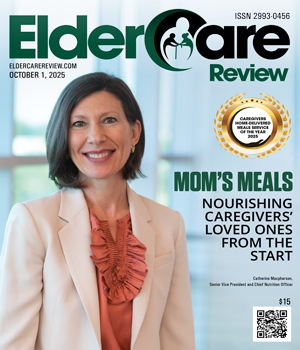
Nourishing Caregivers’ Loved Ones from the Start
At the heart of every meaningful business lies a moment born from love and necessity, not trends or profits. For Mom’s Meals®, that moment began around a family table in rural Iowa in 1999. Barb Anderson, a nutrition graduate with a deep commitment to family and community, found herself caring for her widowed mother and mother-in-law, both living alone and struggling to cook balanced meals while managing chronic health conditions. Determined to help, Anderson began preparing wholesome, refrigerated meals on weekends to stock their refrigerators. These meals were both nutritious and easy to reheat. What started as a simple act of caregiving quickly grew when Anderson, alongside her husband Rick, extended this service beyond family. They began preparing home-cooked meals for those in need, receiving their first contracts to serve older adults in remote Iowa towns who had little or no access to senior centers or congregate meal programs. From humble beginnings in their family-operated kitchen, Mom’s Meals evolved. Anderson’s credentials in nutrition, combined with her tireless advocacy as she traveled across Iowa and beyond to support home-delivered meal programs, laid the foundation for a broader mission. Within a few decades, the family business became a national leader in the “food as medicine” movement. Today, Mom’s Meals provides the nation’s most comprehensive food-as-medicine solutions including medically tailored meals delivered to any address nationwide, nutrition counseling and education, and other nutrition services — helping people live healthier lives at home. Whether offering daily support or managing care from afar, caregivers can count on a variety of tailored, ready-to-enjoy nutrition solutions that bring comfort and peace of mind with every delivery. Nutrition at the Heart of Care From the beginning, Mom’s Meals has been driven by a simple mission: improving lives through better nutrition at home. As Catherine Macpherson, senior vice president and chief nutrition officer, explains, “We wanted individuals to feel confident that they or their loved ones were eating the right foods to support their health goals, without adding another overwhelming task to already stressful lives.” This vision is rooted in the company’s belief that food is medicine. Proper nutrition can aid recovery, prevent complications, and help manage chronic conditions like diabetes or heart disease. Every meal is designed with that principle in mind, offering quality nutrition and an opportunity to improve health and well-being. Through partnerships with hospitals, health care providers, and insurers, Mom’s Meals has shown how preventive care through nutrition reduces hospital readmissions, lowers costs, and improves lives. For caregivers, this means peace of mind. For individuals, it means greater independence and better health outcomes. This commitment to nutrition as a cornerstone of health directly shapes Mom’s Meals’ offerings, which are designed to meet nutrition sensitive chronic health conditions while still delivering the comfort of home-style food. Sharing love, preserving independence Mom’s Meals is built around the philosophy that food is medicine. Each meal is designed by professional chefs and registered dietitians who understand the specific nutritional requirements of various health conditions and make the food comforting and delicious. This dual approach ensures that the meals are both medically appropriate and enjoyable, a vital balance in encouraging consistent healthy eating.
Home Care
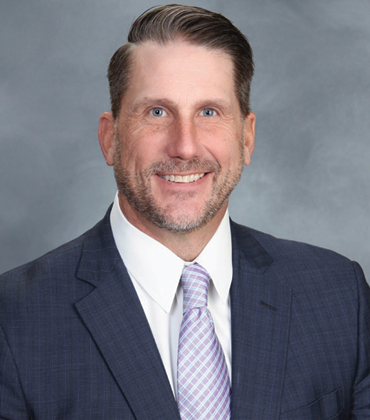
Families choosing home care services for their loved ones seek care that blends medical excellence with personal connection and consistent quality. It is a deeply personal decision made with the hope that their loved ones will be safe, valued and cared for with genuine compassion. RN Services has carved out its reputation as a trusted care partner that delivers white-glove concierge-level home care services guided by licensed healthcare professionals. Grounded in an employee-driven approach, it focuses on hiring, training and retaining top-tier staff who bring skill and heart to their work. Unlike mass-hiring models that focus on volume, it chooses quality over quantity, ensures higher accountability, stronger relationships and greater peace of mind for families. “We are highly selective. We would rather hire five A-plus nurses than thirty B-minus caregivers,” says Michael Buescher, president. Recruitment process banks on employee referrals rather than standard online postings. Each new hire receives hands-on training and the knowledge needed to confidently take ownership of their roles. The result is a workforce that provides exemplary care responsibly. Consistency is central to this model. That’s why RN Services places great value on employee retention, creating an environment where caregivers feel valued and choose to stay long term. To support this stability, it invests heavily in ongoing training, keeping its team current with best practices while continually strengthening their skills. With experienced caregivers who remain over time, clients benefit from a continuum of care, supported by familiar, trusted professionals who know their history, respect their preferences and understand even their unspoken needs. Adding another layer of assurance, RN Services relies on registered nurses and licensed healthcare professionals to serve as case managers. These professionals are trained to assess health needs and detect early signs of changes in a client’s condition. They coordinate with clients’ specialists to prepare care plans with clinical precision. Direct access to experienced medical professionals also helps caregivers navigate complex medical situations. Its commitment to quality care is reflected in client success stories. One notable example is that of a middle-aged man who was wheelchair-bound and living alone. He contacted the team for limited support for one or two days per week. During the initial assessment, a licensed nurse case manager identified changes to make his living environment safer and more supportive. The nurse coordinated directly with the client’s specialist physicians to adjust his care plan and introduce daily routines that better fit his needs.
Senior Placement Services
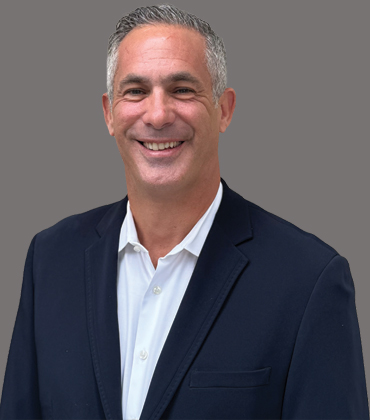
Choosing an assisted living or memory care community for a loved one is never just a matter of search results. It’s a deeply personal, often emotional decision, rooted in trust, compassion and the hope for a better quality of life. In moments filled with urgency, uncertainty and a flood of options, families need more than facts. They need a steady, understanding hand to guide them. That’s where Freestone Senior Connect comes in—offering not just smart solutions, but heartfelt support. With a thoughtful blend of technology and genuine care, it helps families navigate their senior care journey with confidence and compassion. “With each connection, we aim to make every senior feel seen, supported and assured as they begin a new chapter in life,” says Erik Anderson, owner. The company prioritizes choosing independent or assisted living arrangements that befit each senior’s lifestyle and budget. Unlike typical senior placement agencies that rush for commissions, Freestone fosters lasting relationships with families throughout every life stage, providing support both virtually and in person. For those who prefer face-to-face interactions, the company maintains a culture of personal engagement and authentic connection, which it calls ‘handshakes and heartbeats.’ From care plans to dietary preferences, it thoughtfully aligns every detail with each senior’s physical and mental well-being. Instead of sharing a list of communities, Freestone conducts tours of various locations with families, allowing them to directly experience the services offered. This commitment to connection extends to tech-savvy seniors as well. Its proprietary software, Whisper, helps translate each financial and medical profile into precise, data-driven care recommendations. Through this platform, seniors can assess their financial projections, affordability scores and care compatibility calculations, without having to share personal details unless they choose to. If they do share, Whisper collects their financial inputs, such as pensions, 401(k)s, Social Security and Medicaid, layering them with actuarial insights to generate clear, personalized care plans. This allows families to select the most affordable and preferred plan, rather than being limited to a fixed price for services.
Home Care
At Age Well Care, aging is all about living safely, fully and with dignity. Founder Ralph Sijl and his team believe that home care should begin with confidence and by choice, rather than only after an unexpected health setback. By welcoming practical help such as meal preparation, bathing assistance and mobility support while daily routines are manageable, seniors can maintain control over their lives, make their own decisions and enjoy safety and companionship at home. Age Well Care tailors its approach to each individual’s situation, whether recovering from surgery, navigating a life change or feeling increasingly isolated and uncertain about the future. Rooted in a belief in the value of growing old with trusted support, it empowers individuals to age with respect and confidence. “Early care allows relationships to grow naturally. It’s not just about assistance with tasks, but about creating a sense of comfort and familiarity that makes accepting help easier over time,” says Ralph. A telling example involves a cancer patient who was living alone and resistant to accepting care. After her sons convinced her for home care, the Age Well Care team began providing short, four-hour visits, focusing on building trust without overwhelming her. Despite her repeated requests to stop the service, the caregivers returned each day, offering companionship along with her favorite soup, bananas and coffee. Over time, their constant presence and care helped her establish a routine—she began eating regularly, taking her medications and no longer felt isolated. When she finally transitioned to assisted living, it was not out of desperation, but as a natural next step in her journey, approached with dignity and grace. Care that Centers on People From day one, Age Well Care’s model emphasizes consistency. Clients are matched with small caregiver pods, limiting the number of people rotating through their homes. This fosters comfort and familiarity, vital for those with Alzheimer’s, dementia or simply the desire routine.

Medicaid

The Law Office of Julie Low stands out as a leading Medicaid planning law firm due to its comprehensive approach to asset protection and Medicaid (MassHealth) eligibility. The firm specializes in helping clients preplan to safeguard their assets well in advance of needing nursing home care. Through the use of irrevocable Medicaid asset protection trusts, families are able to protect their wealth by removing assets from the Medicaid lookback period if established five years before care is required. For families facing a crisis situation—where a loved one has already entered a nursing home and is confronted with monthly bills of $14,000 to $18,000—the firm provides immediate solutions to secure Medicaid eligibility and alleviate financial strain. Its expertise in navigating the complexities of Medicaid ensures that families can find relief even in the most challenging circumstances. The firm’s unique strength lies in its dual expertise in estate planning and Medicaid applications. This deep understanding of both the planning process and the intricate application requirements makes it the top choice for families navigating the complexities of long-term care. The firm manages the entire process, from designing tailored strategies to completing the MassHealth application to securing approval. The firm’s work does not stop at securing Medicaid eligibility. It builds plans that endure, anticipating life events that could disrupt benefits, such as the death of a community spouse or an unexpected inheritance. It also protects families against estate recovery claims, ensuring that eligibility today does not create financial vulnerability tomorrow. One of the most impactful services offered by the firm is helping clients remain in their homes for as long as it is safe. Many families approach the firm with the goal of avoiding institutional care altogether, and they have successfully assisted countless clients in achieving this goal. A significant part of its practice involves community Medicaid applications, which allow individuals to maintain their independence while receiving the care they need through the Program of All-Inclusive Care for the Elderly (PACE). This Medicaid-based program integrates home care services, provides home modifications, coordinates travel to and from medical appointments, and coordinates specialists, enabling seniors to age in place with dignity and security. The New York Times has described PACE as “healthcare delivered right,” and the firm sees the truth of that every day in the lives of its clients.
Senior Monitoring Solution

Specialized Home Care for People with Alzheimer's Disease
Laura Silverstein, Administrator/Director of Patient Service, True Care Home Care
Senior Living Solutions
Shifting the Trajectory of Elder Care
Ashley Watts, Director of Home Care Operations, Elite Home Care
Other
Embracing Holistic Approaches to Dementia Care
Melanie Schrock Perry, Home Office Memory Care Coordinator, Primrose Retirement Communities, LLC
Home Care
Palliative Care: An Essential Resource In Caring For Those With Advanced Illness
John Mulder, Chief Medical Consultant for Hospice and Pallaitive Care, Holland Home
Senior Food Service

Where Wellness Feels Like Home
Gina Rice, Wellness Director., Kisco Senior Living
IN MY OPINION
Senior Food Service
Dementia Care Deserves Recognition and Respect
Amber Dahle, Vice President of Memory Care and Resident Programming, Charter Senior Living

LAST WORD
Retirement Communities
Value-Based Care in Today's Health Care Environment
Carl Brodarick, Senior Vice President Hospice Development, AccentCare
IN FOCUS

A Relationship-Centered Care Model: The Future of Home-Based Wellness
The in-home support industry is evolving to prioritize social engagement and mental health, shifting from traditional care models to fostering meaningful relationships and combating loneliness.

The Ascent of Home-Delivered Meals in the Aging-in-Place Ecosystem
The aging population is increasingly preferring to age in place, necessitating robust support systems, such as home-delivered meals, which promote autonomy, nutrition, and social connection for older adults.
EDITORIAL
Elder Independence with Care, Law, Nutrition, and Empathy
Elder care in the U.S. is at a crossroads. Aging Americans increasingly prefer to age in place, yet policy, financial, and operational support remains brittle. Medicaid planning, home care, in-home caregiving, senior placement, and home-delivered meals form an interlocking ecosystem requiring legal sophistication and operational pragmatism.
Medicaid planning is often the first battleground. Because Medicaid is the principal payer for long-term services and supports, families frequently employ strategies, such as asset spend-down, irrevocable trusts, or careful gifting—to secure eligibility without eroding wealth entirely. But the five-year “look-back” period constrains how aggressively one can act, underscoring the importance of early, informed planning.
Once benefits are in place, home-based services deliver personal care, skilled nursing, and therapies, supported by HCBS waivers and the PACE model. Providers still face regulatory mandates and staffing pressures. Senior placement advisors assist families in navigating assisted living or memory care, while nutrition, through home-delivered meals, remains essential.
Home-based care and senior placement aim to preserve autonomy, yet without legal, emotional, and nutritional integration, the system falters. Mom’s Meals bridges this gap through medically tailored meals covered by Medicaid, supporting nutrition, independence, and recovery. On the frontline, Ashley Watts champions “caregiver care,” proving that supporting caregivers elevates patient outcomes. Laura Silverstein shows that, with training and empathy, even Alzheimer’s care can thrive at home, demonstrating how skill and compassion redefine what’s possible in elder care.
Together, these efforts reveal a mosaic of progress: legal planning protecting assets, trained caregivers safeguarding dignity, and nutrition ensuring health continuity.
In this roundup, we spotlight elder care as both a social mission and a design challenge, where law, care, and compassion intersect. The opportunity lies in building systems that value caregivers as much as clients and, in doing so, redefine aging not as decline but as sustained independence.
