

Thank you for Subscribing to Eldercare Review Weekly Brief
![Brookdale Senior Living [NYSE:BKD]: Reframing Senior Living Through Community-Led Care](https://www.eldercarereview.com/uploaded_images/300400-8c9go.jpg "Brookdale Senior Living [NYSE:BKD]: Reframing Senior Living Through Community-Led Care")
Brookdale Senior Living [NYSE:BKD]
Reframing Senior Living Through Community-Led Care
Senior living today is increasingly defined by how effectively communities can balance care, independence and daily engagement. For residents and their families, the experience is not shaped by a single service, but by how consistently support, environment and social connection come together in everyday life. Brookdale Senior Living [NYSE:BKD] operates at the center of this evolving landscape, with a network of communities across independent living, assisted living, memory care and continuing care. Its approach focuses on creating environments where care delivery and community experience are closely aligned, enabling residents to maintain routines while receiving the support they need. Across its communities, Brookdale emphasizes structured engagement alongside clinical and personal care. Living spaces are designed to function as homes rather than as transitional environments, allowing residents to maintain familiarity while participating in a broader community setting. Social interaction, wellness support and daily activities are integrated into routines rather than positioned as optional add-ons.
![Brookdale Senior Living [NYSE:BKD]: Reframing Senior Living Through Community-Led Care](https://www.eldercarereview.com/newstransfer/upload/16-9mnhh-.jpg "Brookdale Senior Living [NYSE:BKD]: Reframing Senior Living Through Community-Led Care")
Elder Law Firm
What risks arise when estate planning is delayed or left unaddressed? Estate planning is often delayed because people assume there is time. This delay leaves families to handle legal, financial and administrative issues without preparation. Rosenberg Law Firm works with families facing disorganization, uncertainty and court involvement that could have been avoided. Its philosophy, “If You Don't Plan, You're Stupid!” reflects that delaying decisions shifts responsibility onto loved ones. That perspective is reinforced by experience. The firm sees families searching for documents, unsure about their assets and forced into probate after a loss. The consequence is not felt by the individual who delayed planning, but by those left to navigate the aftermath. Nearly a decade ago, a personal health emergency reinforced that reality. During an early morning swimming practice, Andrew G. Rosenberg suffered a widowmaker heart attack caused by a complete blockage, with survival odds below one percent. While his family rushed to the hospital, he remained calm, knowing his estate plan, insurance, asset titling and legal documents were organized. Building Plans that Protect Families How does the firm structure its process to identify risks and prevent complications? Clients typically approach Rosenberg Law Firm through referrals or educational workshops where Rosenberg explains legal concepts in simple terms, avoiding jargon so families understand their decisions. The firm follows a structured three-step process to identify risks early and prevent complications. The process begins with a discovery and vision meeting, where Rosenberg reviews the client’s goals, concerns, assets and ownership structures, identifying gaps that could create challenges if left unaddressed. A design meeting follows, during which the estate plan and legal documents are structured to resolve those risks. The final stage is a signing session where documents are reviewed, witnessed, notarized and executed..

Home Care

Avida Home Health
Improving Patient Outcomes through an Employee-First Home Care Model
Naira Petrosyan, CEO, Rae Ann Dremel, Clinical Manager
What role does an employee-first philosophy play in improving patient care outcomes? At Avida Home Health, an employee-first philosophy guides every aspect of its operations, enabling clinicians to deliver attentive, personalized in-home nursing and non-medical care for seniors, adults and children. By prioritizing strong communication, continuous training and operational support, the Colorado-based home healthcare agency ensures clinicians feel valued and equipped to succeed. “Happy clinicians produce better patient outcomes. We treat our employees as family and continually invest in their well-being and success,” says Naira Petrosyan, CEO. Avida has built a strong reputation in advanced wound care management of patients with complex medical profiles—often involving diabetes, vascular issues or mobility limitations—where recovery depends as much on managing these factors as on treating the wound itself. Nurses design comprehensive care plans involving advanced wound dressings, nutritional guidance and coordinated therapy services to address both the wound and the underlying comorbidities..
Home Care
Cornerstone Caregiving
Care Built Around the Realities of Aging
Megan Hix, Senior Vice President of National Partnerships
What circumstances led to the introduction of caregiving support in this situation? In the quiet coastal town of Port Aransas, Texas, a proud Marine and Vietnam veteran was nearing the final chapter of his life. Living alone and facing declining health, his world had gradually become smaller and quieter. His family cared deeply for him, but work schedules and distance made it difficult to be there as often as they wished. That changed when a caregiver named Brooke from Cornerstone Caregiving entered his life. Brooke didn’t just assist with daily routines. She listened to his stories, shared meals, and paid attention to subtle shifts in his health. Most importantly, she made sure he never felt forgotten. At one point, he confided something that stayed with her: ‘I just don’t want to die alone.’ How did coordinated caregiving efforts influence family involvement during critical moments? As Brooke noticed subtle changes in his condition, Cornerstone Caregiving team stayed in close contact with his family. When it became clear that time was short, the team helped coordinate so his loved ones could be there. On March 2, he passed peacefully at home, surrounded by family and his dog, in the place he loved most. Stories like these reflect the role Cornerstone Caregiving seeks to play in helping families navigate the realities of aging. Through non-medical in-home support, the company assists seniors with everyday activities while helping them remain in familiar surroundings..
Alzheimer and Dementia Care

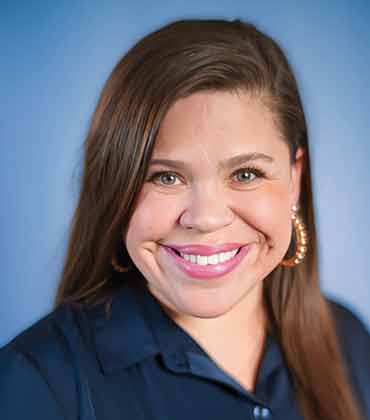
What experiences shaped Beth Cayce’s perspective on dementia care and caregiving support needs? Passion and compassion have shaped Beth Cayce’s career in senior healthcare. Her journey began at age 16 as a primary caregiver for a family member living with dementia. She experienced firsthand how demanding caregiving can be and learned that love and devotion alone are not always enough. That experience shaped her belief that additional support is essential for both the person living with dementia and the family. As Cayce entered professional training, she found dementia education limited and often focused more on safety than meaningful engagement. Yet she recognized that individuals living with dementia could still participate meaningfully in life if care partners understood how to prompt, cue and connect effectively. Transforming Tasks into Meaningful Daily Engagement How does aligning care with personal identity influence engagement and abilities in dementia patients? Cayce’s philosophy is illustrated through the story of Mr. M, a client who insisted on being pushed in a wheelchair. After learning he had been a social international marketing leader with a love of history, she tailored her communication to his strengths. Within weeks, he was walking with assistance, choosing his meals, engaging with fellow residents and helping a staff member study American history for her citizenship test. After six months, the community staff could continue the approach independently, and he no longer required the Dementia Life™ program. This story reflects a fundamental belief: when care aligns with identity, ability often follows. That belief became the foundation of CaraVita Home Care’s Dementia Life™ program, a person-centered model combining education, experiential training and real-world problem-solving. Cayce emphasizes that tone, wording and physical and verbal cues are essential to meaningful engagement..
Medicare
Medicare forces a choice but rarely offers a clear path. Seniors looking beyond Original Medicare must decide between traditional Medicare with a supplement plan—which offers flexibility at a higher cost—or Medicare Advantage, which lowers premiums but can limit provider access. The differences are significant, yet all too often people face them with little knowledge about how coverage aligns with their doctors, prescriptions, lifestyle, or budget. That can leave individuals confused, unprotected, and underserved. American Senior Resources (ASR) steps into that gap. ASR agents are trained to use an education-first approach, helping clients understand the complexities of Medicare before they make a decision. Based in Seattle, the firm serves individuals across the Pacific Northwest and beyond through its agent network. Its advisors bring deep Medicare knowledge, comparing plans across the market and matching each client with coverage that fits their health needs, financial situation, and long-term goals. It is crucial for consumers to stay informed and review their plan options and related costs annually. Even if they are satisfied with their current plan, circumstances, costs, and choices can change each year. “There may be other options that better suit their needs,” says Kevin Peterson, ASR Sales Executive. Medicare Advantage plans, Medicare Supplement policies, and Prescription Drug Plans form the core of ASR’s offerings. These options build on Original Medicare and give clients flexibility in structuring their coverage. ASR also offers individual medical, life, annuity, hospital indemnity, and gap insurance products. Many clients arrive with nothing more than a deadline and a stack of confusing paperwork. ASR advisors take the time to walk them through their choices, comparing premiums, networks, and drug formularies. They explain how these differences may impact daily care, prescriptions, or emergency services. At ASR, education does not end after enrollment. Advisors stay in touch through annual reviews, newsletters, and timely outreach during Medicare’s open enrollment period. When plans change—as they often do—ASR helps clients reassess and adjust.

Senior Living Financial Services

Transforming Life Enrichment and Memory Care
Daniela Vegas-Fox, Assistant Vice President, Trilogy Health Services
Senior Home Care Services
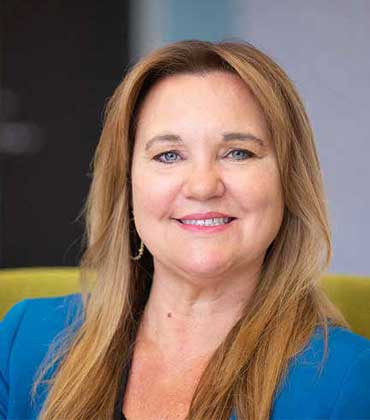
Understanding The Overlap: Behaviors in Memory Impairment Vs Discomfort And Pain
Tana McMillon, Regional Vice President of Operations, Silverado
Senior Home Care Services

Innovative Tech Transforming Dementia Care
Carrie Chiusano, Executive Director, Dementia Care Center of Excellence, Presbyterian SeniorCare Network
Assisted Living

Outpacing Care Challenges by Building Strong Operational Systems
Tanika Marable, Director of Assisted Living and Memory Care, Lifespace Communities, Inc
Home Care

Meeting the Needs of Today's seniors
Victor Rios, Director of Resident Services, Senior Lifestyle

IN MY OPINION
Senior Food Service
How Telehealth and Innovative Partnerships are Reshaping Dementia Care
Megan Olshavsky, VP, Operations, Remo Health

LAST WORD
Senior Living Solutions
Shifting the Trajectory of Elder Care
Ashley Watts, Director of Home Care Operations, Elite Home Care
IN FOCUS

Addressing Alzheimer's Care: Innovations and Strategies for a Changing Landscape
Alzheimer's and dementia care is evolving through technology, person-centered approaches, and community initiatives, addressing challenges in workforce and stigma.

Home-Based Senior Care: Modern Reliable Approaches
Reliable senior in-home care integrates personalized support, technology, and coordinated services to enhance safety, dignity, and long-term well-being.
EDITORIAL
Redefining Elder Care Through Purpose and Continuity
Elder care outcomes are increasingly defined by how well providers align care delivery, resident engagement and operational coordination. This edition of Elder Care Review examines how community-based models, in-home support systems and specialized services are shaping more consistent outcomes across the aging continuum.
Our cover story, Brookdale Senior Living [NYSE:BKD], recognized as the Senior Living Provider of the Year 2026, demonstrates how a community-led model can integrate wellness, independence and structured support into a consistent resident experience. By aligning daily engagement, care access and purposeful living, Brookdale continues to help shape a more comprehensive model for senior living at scale.
CaraVita Home Care, recognized as Top Alzheimer’s and Dementia Care Services 2026, addresses a critical need in cognitive care through personalized engagement models designed around identity, adaptability and meaningful daily rhythms. Avida Home Health, recognized as Best Home Healthcare Agency 2026, advances coordinated in-home clinical support through an employee-first operating model that strengthens patient outcomes.
Cornerstone Caregiving, recognized as the Most Reliable Senior In Home Care Solutions 2026, reflects the growing importance of flexible care models that help seniors age safely in place while preserving continuity and independence. Rosenberg Law Firm, recognized as the Top Elder Law Services 2026, reinforces how proactive legal planning has become an important support mechanism in long-term elder care strategy.
From a leadership perspective, Tanika Marable, Director of Assisted Living and Memory Care at Lifespace Communities, highlights the importance of adaptable systems and a culture of ownership in meeting rising care complexity. Daniela Vegas-Fox, Assistant Vice President at Trilogy Health Services, underscores the role of purposeful engagement and personalized enrichment in strengthening resident well-being and memory care outcomes.
A distinct direction is taking shape across the sector. Elder care organisations that embed coordination, continuity, and measurable quality of-life outcomes into their models are setting the standard for effective care. We invite readers to explore this edition to understand how these models are shaping the next phase of aging services.
