

Thank you for Subscribing to Eldercare Review Weekly Brief

Buddy Services
A New Era in Senior Care with a Personal Touch
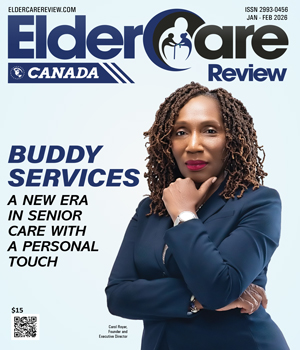
True care for seniors goes beyond just assistance. It is about understanding real-world needs through experience, building genuine connections, and delivering personalized support that adapts to rapidly changing conditions. Drawing on years of hands-on work in senior in-home care, Founder and Executive Director Carol Royer has shaped Buddy Services into a flexible, dignity-first care provider that is acutely aware of how quickly a senior’s health and circumstances can change, and designs its services around that reality. Buddy Services offers more than basic in-home support. It focuses on thoughtfully matching each senior with a caregiver whose training and temperament align with specific needs such as dementia, Parkinson’s, mobility challenges, or social isolation. This individualized matching, along with the practice of assigning the same caregiver to every visit, builds stable, trusting relationships in which seniors feel safe, understood, and consistently supported beyond routine tasks. “Our model is ‘buddy for life,’ ensuring that each caregiver builds a lasting, supportive relationship with the senior,” says Royer. Custom Care Solutions for Seniors Buddy Services meets the evolving needs of seniors, particularly those facing mobility limitations, difficulty managing daily tasks, and emotional isolation. Challenges with movement and independence often create the need for hands-on support with routine activities, while loneliness and limited social interaction further drive the demand for companionship-based care. Unlike government services that offer limited hours and no choice of caregiver, Buddy Services delivers higher consistency and personalized matching. A major differentiator is its no-contract policy, rooted in sensitivity to rapid health changes. Seniors’ needs can change quickly, and Buddy Services removes the burden of long-term commitments while continuing to deliver dependable care.
Independent Living
Nestled on the steep slopes of the Niagara Escarpment, alongside scenic Lake Ontario, serene vineyards, and vibrant seasonal foliage, the Albright Centre is a trusted name in long-term care. With a rich history as a charitable, nonprofit organization, it is widely recognized for its dedication to high-quality care and strong sense of community. Home to over 270 senior residents, supported by 300 staff members and 200 volunteers, the centre provides a nurturing environment where well-being is the top priority. Each of its eight home areas accommodates 29 residents, offering comprehensive medical, nursing, rehabilitation, housekeeping, and personalized dietary services. Residents benefit from wellness-focused amenities and actively participate in monthly resident council meetings to voice concerns and contribute to ongoing improvements. A dedicated Board of Directors and expert staff uphold the organization’s core values of integrity, compassion, inclusivity, and accountability, ensuring every resident receives the care and support they deserve. As part of its commitment to expanding services, the Albright Centre is constructing a new facility for long-term care and retirement accommodations, further enhancing its ability to foster social well-being across the Niagara region. Additionally, the organization has strengthened its care conference meetings, which continue to take place every six weeks and then annually. Each member of the multidisciplinary team attends the meeting to contribute information and to address residents’ needs in collaboration with their families. These initiatives reinforce Albright Centre’s mission to provide exceptional, person-centered care while continuously evolving to better serve its community. “Our non-profit initiatives transform our core values, mission, and vision into meaningful, value-based performance,” says Penny Zdichavsky, Director of Dietary Services. The centre’s approach to individualized care is guided by dignity, respect, and the highest quality standards, achieved through innovation, integrity, education, and collaboration. Consistently striving to improve residents’ quality of life, Albright Centre develops initiatives that align with these principles. One such initiative is the one-to-one staffing program, which exemplifies personalized care by assigning each participating resident a dedicated caregiver for assistance, security, and companionship. Since its launch, the centre has hired over 200 additional staff members, enabling one-to-one care for more than 30 residents per shift. Performance reviews have also been refined to align more closely with the organization’s core values.

Retirement Communities
Oaks Retirement Village
Living Well, Loving Life, a Supportive Place to Belong
Hunter McCallum, General Manager ; Emma King, Sales & Marketing Manager
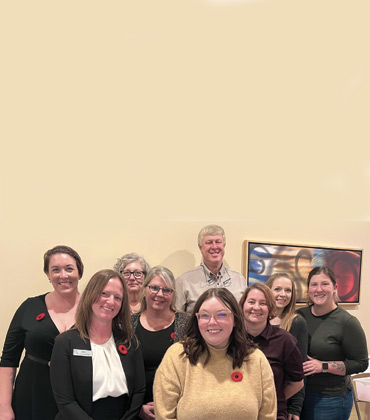
Tucked into the heart of Wallaceburg, Oaks Retirement Village is more than just a place to live—it is a place to belong. Originally a hotel and restaurant, the building was transformed in 2014 into a warm, welcoming residence where seniors can easily move through different stages of aging. Since then, it has expanded significantly, offering independent retirement living, personalized care services, and a secured memory care unit for residents with cognitive impairments. Tucked into the heart of Wallaceburg, Oaks Retirement Village is more than just a place to live—it is a place to belong. Originally a hotel and restaurant, the building was transformed in 2014 into a warm, welcoming residence where seniors can easily move through different stages of aging. Since then, it has expanded significantly, offering independent retirement living, personalized care services, and a secured memory care unit for residents with cognitive impairments. A flexible support system designed to meet each resident’s unique needs reflects this commitment to individualized care. Assistance ranges from help with mobility, dressing, and hearing aid maintenance to medication administration and daily tasks. A fully staffed Wellness Center, led by an on-site nurse, ensures that medications are managed efficiently, including injections and specialized applications when needed. Rather than a onesize-fits-all approach, each resident receives a personalized care plan, reviewed every six months, to provide just the right level of support. Further enhancing the home-like atmosphere, Oaks Retirement Village is one of the few retirement communities in the area with a pet-friendly policy. Residents can bring their beloved companions with them. Pets’ emotional comfort and familiarity can make the transition to retirement living significantly smoother, reinforcing the sense of home that the village strives to create. “Moving into a retirement home does not mean giving up your life—it means gaining the freedom to do what you love without the burden of daily chores and responsibilities,” says Hunter McCallum, General Manager.
Senior Living Solutions
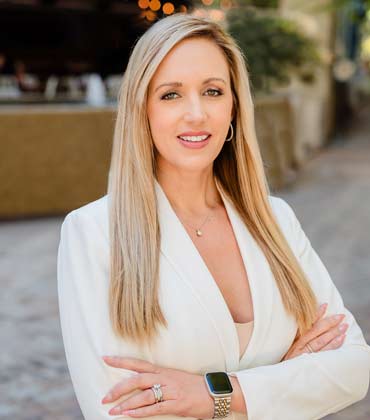
Shifting the Trajectory of Elder Care
Ashley Watts, Director of Home Care Operations, Elite Home Care
Senior Living Solutions

Navigating New Terrains of Dementia Care with Leadership and Innovation
Dawn Platt, National Director of Memory Care Programs, Discovery Senior Living
Senior Food Service

Bridging Compassion and Innovation: Advancing Senior Care With Technology
Jacqueline Hodges, Director of Clinical Services, Franklin Park Senior Living
Primary Care

Beyond The Call: The Impact of Case Management On Quality Patient Care
Lena Gorman, Skilled Nursing Case Manager, Faith Medical Services
Senior Home Care Services

Innovative Tech Transforming Dementia Care
Carrie Chiusano, Executive Director, Dementia Care Center of Excellence, Presbyterian SeniorCare Network
Senior Living Product Manufacturing

Navigating the Future of Elder Care
Susan Stone, Senior Medical Director, Medical Management, L.A. Care Health Plan
Care Management
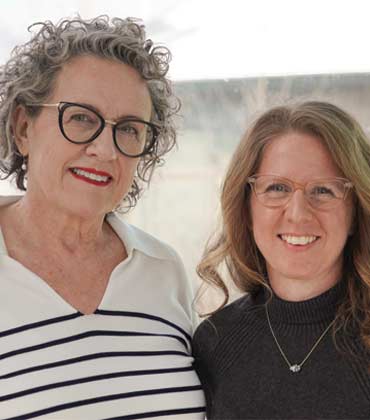
Shaping the Future of Dementia Care Through Personalized Support
Bonnie Jean-Baptiste, Clinical Manager, and Julie Earle, Nurse Practitioner, Ontario Shores Centre for Mental Health Sciences
Home Care
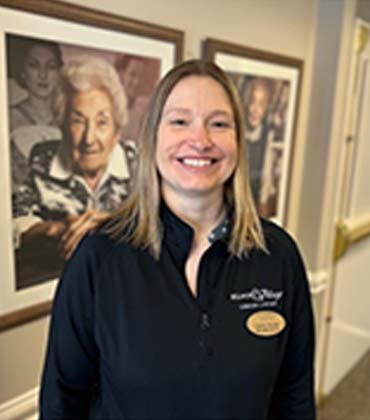
The Fulfilling Nature of Healthcare Social Work
Carrie Petrelli, Director of Activities and Memory Care, Belmont Village Senior Living

IN MY OPINION
Home Care
What It Takes To Be a Home Health Care Worker
Elsa Lam, Vice President, Regional Patient Care Services, VNS Health

LAST WORD
Independent Living
Unlocking Senior Living Success with Generational Sales
Amy Friesen, Founder and CEO, Tea and Toast
IN FOCUS

Community-Driven Approaches to Senior Well-Being in Canada
Loneliness among Canadian seniors is a significant public health issue, addressed through innovative community programs, social prescribing, and efforts to remove barriers, fostering connection and improving seniors’ well-being.

Transforming Senior Care in Canada Through Predictive and Preventive Technologies
Canada is transforming senior care with AI, remote monitoring, and telehealth, enabling proactive, personalized home care that supports independence, prevents crises, and combats isolation for aging Canadians.
EDITORIAL
The Continuity Advantage: How Relationship Builders Are Defining Elder Care’s Next Era
Canada’s elder care market has effectively mastered the logistics of volume. The strategic priority for 2026 is capturing the value of continuity. Leading organizations are now leveraging their operational maturity to support a more sophisticated clinical mandate: the stabilization of the care relationship. This advancement positions the dedicated care team as a quantifiable economic and health asset, essential for managing higher acuity levels, ensuring seamless recoveries, and anchoring long-term family confidence.
Buddy Services, our featured company, exemplifies this transition from standard service delivery toward operationalized intimacy. By decoupling care from long-term contracts and institutionalizing caregiver consistency, they are testing a significant hypothesis: that stability in the patient-client relationship is not a premium perk, but the fundamental mechanism for reducing clinical risk and hospital readmissions.
The potential of this approach resonates throughout the issue. In CXO Perspectives, Shayne Dauz of the Mon Sheong Foundation reimagines agency staffing, positioning it as a consistent, integrated component of the care team. This complements the market perspective outlined by Amy Friesen of Tea and Toast: the ‘buyer’ now includes the adult child, a consumer who prioritizes providers for both immediate safety and the sustained quality of the family experience.
As we explore advancements in dementia care and workforce development this month, a clear signal emerges. The organizations that will define the next cycle will be those that elevate value beyond hourly rates. They will be the leaders capable of scaling continuity, ensuring care is a stabilizing, predictable presence. In 2026, trust stands as the definitive operational asset.
