

Thank you for Subscribing to Eldercare Review Weekly Brief
Ascension Living
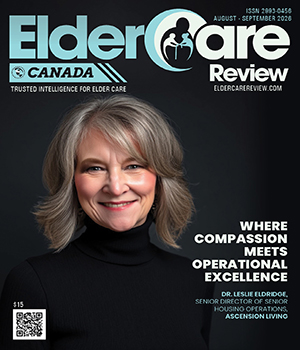
Where Compassion Meets Operational Excellence
My experience in senior housing has shaped my approach by continually bringing me back to one central truth: People come first! A person centered approach is not just philosophy, but a daily practice of recognizing that every resident has a unique story, a set of preferences, and life experiences that deserve to be respected and celebrated. This relationship centered mindset has deepened my appreciation for the richness residents bring to a community. There is so much wisdom, history, and perspective within each person, and we intentionally create space to listen and learn, thereby strengthening not only individual connections but the fabric of the entire community. Finding joy in these relationships through conversations, shared experiences, and simple moments shifts the focus from completing tasks to fostering connection. It reinforces that our role is not just about providing care, but walking alongside residents and families. Additionally, strong operations fosters the experiences with consistency in staffing, clear expectations, and well supported teams allow eveyone to build deeper connections. Affordability, Acuity and a More Person Centered Model Senior Living communities today operate in a delicate balance between delivering high-quality clinical care, maintaining operational efficiency, and preserving a meaningful quality of life for residents - and one of the most pressing challenges within that balance is affordability. As costs for labor, healthcare services, insurance, and regulatory compliance continue to rise, these increases are often passed on to residents and their families, creating significant financial strain. Many families are already navigating difficult financial decisions, and higher monthly rates can limit access to care or force compromises in the level or type of services they can afford. This reality places pressure on communities to justify costs while still investing in staffing, training, and resources that ensure safe, high-qua
Independent Living
Many individuals today prefer to remain at home as their health and social needs become more complex, requiring support that extends beyond clinical care. St. Joseph’s Home Care (St. Joe’s Home Care) supports them through integrated home and community-based care. With a whole-person approach, it integrates clinical care with housing, mental health and substance use support to address the full scope of complex and evolving care needs. Every individual at St. Joe’s Home Care is guided by the legacy of the Sisters of St. Joseph to bring hope and healing to people who may not have access to care. “From clinical teams to supervisors to recruiters, everyone at St. Joseph’s Home Care is grounded in a shared purpose to serve individuals in the community who need care,” says Nadia Surani, executive director.

Senior Care
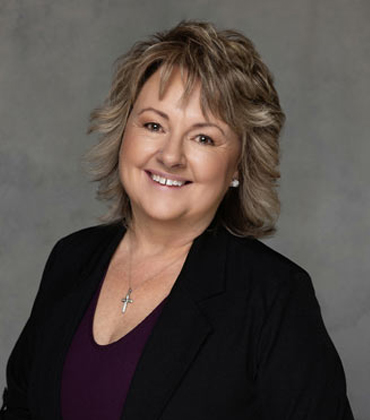
There comes a moment in many families' lives when the roles quietly begin to change. Parents who once cared for everyone else suddenly need support of their own. Adult children find themselves balancing careers, families and the overwhelming responsibility of helping a loved one navigate one of life's biggest transitions. For many, it begins with a simple question: "Where do we even start?" That question is exactly why Senior Transitions was created. "Families don't call us because they need someone to pack boxes," says Sheri Godfrey, Founder of Senior Transitions. "They call because they feel overwhelmed, emotional and unsure of what comes next. Our role is to carry that weight with them so they can simply be family again."
Senior Care
Lakeshore Manor is Chestermere’s sole independent senior living community, transforming senior care through a resident-centered model. Embracing a warm, family-like environment, it fosters connection, companionship and a high quality of life. The community was created in response to a growing need among seniors for meaningful social interaction. The COVID-19 pandemic led to extended periods of isolation, which had a quiet emotional impact on many older adults. For those who had lost a partner, feelings of loneliness often became more noticeable. Without regular interaction, some began to slowly disengage from everyday social life. To create a more connected and fulfilling daily life, Lakeshore Manor takes a holistic approach that supports physical, mental, social and spiritual well-being of its residents. Daily fitness sessions promote movement and nutritious meals prepared onsite ensure balanced diets. For mental stimulation, residents enjoy engaging activities such as card games and bingo. Social wellbeing is nurtured through relaxed group events that offer plenty of opportunities to connect and build friendships. To support spiritual needs, weekly church services and Bible study sessions provide comfort, reflection, and a sense of community. “Our main focus is making sure we do everything together as a group and as a family,” says Lisa Beattie, general manager. Helping Residents Feel at Home Lakeshore Manor ensures every new resident enjoys a smooth transition into the community. When a new resident moves in, the family member or designated representative signing on their behalf meets with the staff to begin the shift. Understanding that moving from a personal home into a community setting is a significant change, the team never forces residents to participate in activities or exercise programs. Instead, they can settle in at their pace.

Care Management
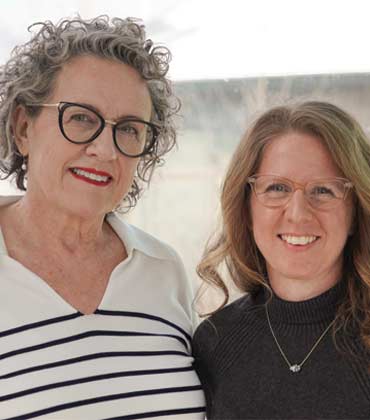
Shaping the Future of Dementia Care Through Personalized Support
Bonnie Jean-Baptiste, Clinical Manager, and Julie Earle, Nurse Practitioner, Ontario Shores Centre for Mental Health Sciences
Senior Food Service

Where Wellness Feels Like Home
Gina Rice, Wellness Director., Kisco Senior Living
Respite Care
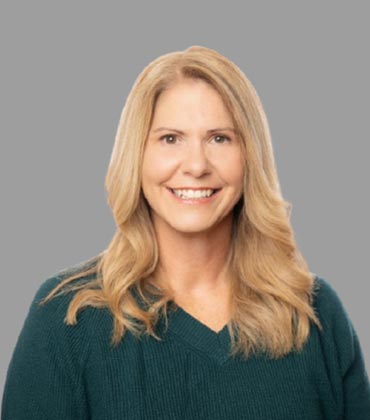
The Role of Nursing Management in Elevating Personal Care Homes
Cassie J. Lovelace, RN, MSN, CAEd, Director of Nursing, Asbury Communities, Inc.
Memory Care

Leading With Compassion in Memory Care
Gabriel Gabaldon, Memory Care Director, Belmont Village Senior Living
Senior Care

Rethinking Well-Being in Senior Living
Angie McAllister, Senior Director of Joyful Living & Community Well-Being, Lifespark
IN MY OPINION
Home Care
Reimagining Resident Services through innovation and Connection
Beth Grigg, Senior Director of Resident Services, LCS

LAST WORD
Senior Care
Caring with Intention to Shape the Future of Elder Care
Wendy Hicks, Director of Nursing,Trellis Supportive Care
IN FOCUS
Canada's Care Revolution: Home-Based Support Services on the Rise
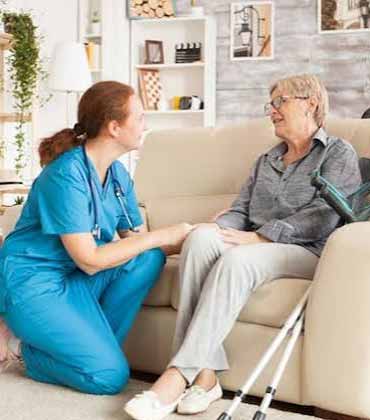
Canada’s home care and community support sector is evolving through rising demand, workforce adaptation, community partnerships, and expanding service models.

Enhancing Lives: Senior Relocation Solutions across Canadian Cities
Senior relocation services in Canada support efficient housing transitions through organized planning and operational coordination.
EDITORIAL
Helping Seniors Navigate Every Stage of Care
Supporting older adults means looking beyond healthcare alone. Independence, dignity and quality of life have become equally important as families navigate decisions around aging and long-term care. In this edition of ElderCare Review Canada, we highlight organizations and leaders helping older adults thrive through compassionate, person-centered support.
Helping older adults move into a new stage of life involves far more than organizing a relocation. Every transition brings practical, emotional and family considerations that deserve the same level of care and attention. Senior Transitions is recognized as the Top Senior Relocation and Downsize Service in Canada 2026 for taking a people-first approach to later-life moves. By combining planning, downsizing, moving and ongoing support, the company helps older adults and their families manage change with greater ease while respecting independence, dignity and the personal history connected to every home.
Beyond relocation, this edition features organizations helping older adults navigate different stages of aging with the support they need. St. Joseph’s Home Care (St. Joe’s Home Care) is recognized as the Top Home Care and Community Support Services in Canada 2026 for bringing together clinical care, housing, rehabilitation, mental health and community services to meet increasingly complex needs. Its multidisciplinary approach helps individuals remain at home, recover safely after hospitalization and continue living independently within their communities.
Supporting older adults also depends on leadership that places people at the center of care. Wendy Hicks, Director of Nursing at Trellis Supportive Care, explains how compassionate leadership, empowered care teams and integrated hospice and palliative services improve quality of life for patients and families. Angie McAllister, Senior Director of Joyful Living & Community Well-Being at Lifespark, shares how purpose, connection and belonging can transform senior living by creating communities where older adults continue to grow, contribute and thrive.
Together, the organizations and leaders featured in this edition demonstrate that exceptional elder care is built on compassion, collaboration and respect for every individual’s journey. We invite readers to explore the insights and ideas shaping the future of senior care.
