Thank you for Subscribing to Eldercare Review Weekly Brief
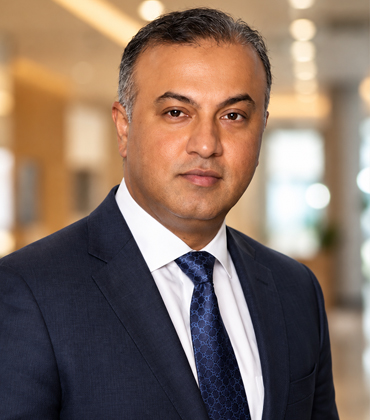 Dr. Faizul M. Suhail, Founder and President
In an increasingly overwhelmed healthcare system, patients, families and facilities face growing challenges in securing dependable care and timely support. These pressures disrupt continuity of care as patients move between hospitals, post-acute facilities and outpatient settings, increasing the risk of complications and rehospitalization.
Core Health Care has built its post-acute and long-term care model around a straightforward commitment—providers who are available, respond promptly and take responsibility for the patients they serve. Through physicians, advanced practice providers, medical directorships, hospice support and 24/7 on-call coverage, the practice gives facilities a dependable clinical presence to manage complex patient needs and strengthen continuity across care settings.
“Our providers fully dedicate themselves to patient care, and the positive feedback we receive from facilities and patients reflects that commitment,” says Dr. Faizul M. Suhail, founder and president.
Core Health Care has demonstrated that dedication from the outset. The practice was established during the pandemic and continued serving facilities despite the strain. Consistent service built trust over time, prompting nursing homes and hospice companies to reach out through word of mouth.
Experience that Powers Care Continuity
The practice brings its cross-setting experience into primary care through its clinic in Rhode Island and serves subacute and long-term care facilities throughout the state. It also works with hospice providers and assisted-living facilities.
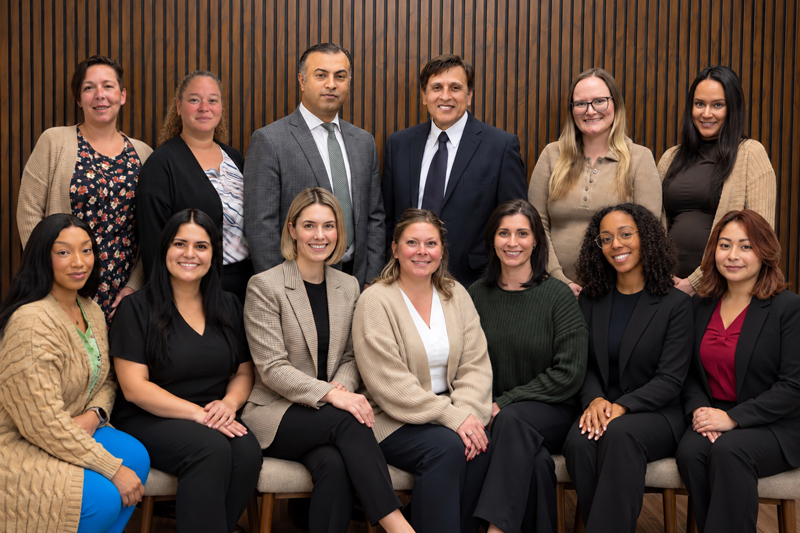
Core Health Care’s team comprises six physicians and 16 advanced care providers, including nurse practitioners (NPs) and physician assistants (PAs). They operate across the facilities, providing tele-visits, annual wellness, sick visits and chronic care management. It also offers administrative and regulatory support to facilities, along with quality-improvement initiatives and ongoing education for providers and nursing staff.
Dr. Suhail has spent nearly a decade at Landmark Medical Center and gained experience working at hospitals like Fatima Memorial and Kent Memorial. He also serves as a regional medical director for a major subacute care company. His expertise is complemented by the team of physicians that broadens the practice’s clinical reach through affiliations with Brown University Health, Roger Williams Medical Center, Kent Hospital and Landmark Medical Center.
 The dedication of its PAs and NPs has been instrumental in earning the trust of patients and facility partners. Patients are accepted at the clinic regardless of their insurance status, and individuals facing substance-use challenges are treated with compassion without judgment. Providers take a cautious approach to controlled medications and work with patients to reduce dependence on highly addictive drugs.
Responsiveness as a Clinical Capability
At Core Health Care, responsiveness and availability run through every aspect of care. That commitment is especially important during transitions between care settings, when medication changes may be missing from hospital discharge records and follow-up care can be delayed.
Many of Core Health Care’s clinicians hold medical director positions, collectively serving 12 subacute care facilities. Their clinical experience and facility-level leadership, combined with provider accessibility, support closer coordination to identify and resolve these gaps earlier and maintain continuity of care.
-
Our providers fully dedicate themselves to patient care, and the positive feedback we receive from facilities and patients reflects that commitment.
Their experience across settings informs how Core Health Care maintains continuity beyond discharge. The practice receives patients at its primary care clinic who lack a regular physician or cannot secure a timely appointment. It either continues their care or connects them with another provider across outpatient settings, acute care and long-term care centers. Cross-coverage and full-time providers ensure questions from facility staff, patients and families are answered in a timely manner.
One patient’s journey demonstrated the significance of that coordination. After being discharged from a hospital, the patient arrived at the clinic in poor condition and was found to be hypoglycemic. Core Health Care coordinated with the hospital’s case-management and ER team to identify the medication-reconciliation gap. The review revealed a discrepancy between the medications listed at discharge and those the patient was taking at home.
 The practice has also worked beyond individual cases when discharge processes created broader risks. When Rhode Island regulations prevented physicians from prescribing certain controlled and pain medications through tele-visits, patients moving to post-acute care risked leaving without necessary medications.
Core Health Care worked with the Rhode Island Health Care Association to raise the issue with the Department of Health, which then sent letters to hospitals asking them to ensure patients received these medications before discharge.
Investing in the People behind Care
Education and training extend Core Health Care’s role beyond patient care. Dr. Suhail holds teaching roles at New York Medical College and Johnson & Wales University and was previously part of Brown Health teaching program. Besides teaching medicine residents and medical students, he conducts bi-monthly training for NPs and PAs focused on long-term care and delivers presentations for facility nursing staff. Training addresses clinical challenges, including complex medical care and medication management, including pain and behavioral medications.
That commitment matters in Rhode Island, where senior physicians are retiring, and fewer younger physicians are entering outpatient and nursing-home practice. Difficult reimbursement and extensive regulation further add to the challenge.
Core Health Care accepts medical, pre-medical, PA and NP students for clinical rotations. Providers are employed full-time and offered full benefits, supporting a committed workforce in a difficult care environment.
Looking ahead, the practice is growing its team of primary-care providers while expanding its assisted-living reach to four facilities.
In addition to providing clinical care, Core Health Care works to identify gaps in healthcare systems and tools. They are actively developing modern, efficient software applications to better support the often underserved outpatient and long-term care sectors.
Core Health Care’s recognition as the Top Post-Acute and Long-Term Care Services 2026 reflects its approach to continuity of care through accessible clinicians, cross-setting coordination, facility-level leadership and a supported workforce. These efforts are grounded in a commitment to treating every patient with respect and compassion, regardless of insurance status or personal circumstances.
Continuity across Post-Acute and Long-Term Care
Post-acute and long-term care leaders increasingly carry responsibility for patients whose needs do not fit neatly within one setting. A hospital discharge may transfer clinical responsibility quickly, yet medication changes, incomplete records and delayed outpatient follow-up can leave facilities managing uncertainty at the bedside. At the same time, many residents require sustained chronic disease management rather than episodic attention.
The strongest care partners need to protect continuity across transitions while remaining available when a patient’s condition changes. That requirement is becoming harder to meet as outpatient clinician shortages place more pressure on facilities to manage complex patients with fewer readily available medical resources.
Responsiveness is central to that standard. Facilities cannot afford a model in which clinical questions wait for the next scheduled round, or families struggle to reach someone who understands the resident’s history. Reliable coverage should combine timely access to clinicians with clear physician oversight, giving nursing teams a dependable path for escalation.
At the same time, frequent turnover or loosely connected part-time coverage can make it harder for clinicians to understand facility routines, resident histories and recurring care issues. Stable teams are better positioned to notice changes early and communicate decisions clearly. Family communication belongs within the same expectation, as delayed answers can undermine confidence even when clinical care is appropriate. That availability helps facilities reduce avoidable transfers while preserving confidence among residents and families.
“Core Health Care’s clinicians manage subacute admissions and subsequent transitions, while long-term residents receive primary and chronic care.”
Clinical depth matters just as much as access. Post-acute patients often arrive with complex medication regimens or multiple chronic conditions, while long-term residents may need recurring reassessment as their health evolves. A capable provider should be comfortable managing both the immediate demands of rehabilitation and the longitudinal work of primary care.
Familiarity with hospital workflows adds value as it helps clinicians recognize where discharge information may be incomplete and coordinate effectively across settings. Medication reconciliation deserves particular attention because discrepancies after discharge can quickly turn into clinical deterioration, emergency evaluation or readmission. Buyers should favor medical groups that treat transitions as active care episodes rather than administrative handoffs.
They should also evaluate how closely a provider engages with the broader care environment. Long-term care is heavily regulated, and quality performance depends on more than individual bedside encounters. Medical partners should contribute to clinical oversight and help facilities respond constructively to regulatory findings.
Ongoing education is equally important as care standards are sustained by the people applying them every day. A provider that stays involved with staff development and quality improvement becomes more useful to management than one limited to routine visits. The strongest relationships also give administrators a clinical counterpart who understands survey pressure, changing resident needs and the practical constraints facing nursing teams.
Core Health Care emerges as a premier choice for Rhode Island organizations that want this level of involvement. Its clinicians manage subacute admissions and subsequent transitions, while long-term residents receive primary and chronic care. Coverage extends around the clock through on-call services, with tele-visits used when appropriate.
Facility leaders receive medical directorship and regulatory guidance. Quality improvement work and recurring clinical education deepen that partnership. Core Health Care also brings physician oversight together with year-round nurse practitioner and physician assistant coverage in nursing facilities. For buyers prioritizing continuous clinical access and close facility collaboration, it warrants serious consideration.
...Read more
Post-Acute and Long-Term Care Services Info
Q1
What Do Post-Acute and Long-Term Care Services Include?
Post-Acute and Long-Term Care Services support patients who need medical attention, rehabilitation oversight or ongoing clinical management after a hospital stay or during an extended period of care. These services can include physician visits, chronic condition management, medication oversight, medical direction and coordination with other providers. Their scope depends on patient needs and facility requirements, with continuity and timely clinical decisions playing important roles in maintaining appropriate care. Consistent clinical oversight also helps facilities address changing patient needs.
Q2
How Does Core Health Care Deliver Post-Acute and Long-Term Care Services?
Core Health Care provides physicians and advanced practice providers to subacute and long-term care facilities across Rhode Island. Its team includes six physicians and 16 advanced care providers, including nurse practitioners and physician assistants. The practice also provides medical directorships, hospice support and round-the-clock on-call coverage. Alongside facility visits, its clinical services include tele-visits, annual wellness visits, sick visits and chronic care management, giving facilities access to ongoing medical support and more consistent provider coverage.
Q3
Why Is Care Coordination Important After a Hospital Discharge?
Transitions from hospitals to post-acute settings can leave important details unresolved, particularly when medication lists, discharge instructions or follow-up arrangements do not match a patient's actual needs. Post-Acute and Long-Term Care Services help address these risks through communication among clinicians, facilities and hospitals. Medication reconciliation, timely assessments and clear responsibility for follow-up can help identify problems earlier and reduce avoidable interruptions as patients move between care environments. These steps are particularly important for individuals managing multiple health conditions.
Q4
What Should Facilities Consider When Choosing Clinical Support?
Facilities evaluating Post-Acute and Long-Term Care Services should consider provider availability, clinical experience, communication practices and the ability to respond when patient needs change. Medical direction and access to clinicians outside scheduled visits can be important, particularly when a condition worsens or a care transition raises questions. Administrative guidance, regulatory support, staff education and quality-improvement work may also contribute to consistent care delivery across a facility. These considerations help facilities assess whether clinical support can meet ongoing operational and patient-care needs.
Q5
How Does Core Health Care Support Continuity Across Care Settings?
Core Health Care links care in facilities with outpatient primary care through its Rhode Island clinic. This clinic helps patients who do not have a regular doctor or cannot get an appointment quickly. The clinicians also serve as medical directors at 12 subacute care facilities. The practice works with hospice and assisted-living providers, and their full-time staff and cross-coverage make sure that questions from staff, patients, and families are answered quickly. This setup supports care that goes beyond just one facility visit.
Q6
How Can Post-Acute and Long-Term Care Services Strengthen Ongoing Patient Support?
Effective Post-Acute and Long-Term Care Services extend beyond treating an immediate concern. Consistent follow-up, chronic care management, medication review and communication among care teams can help patients navigate changing health needs. Staff development also matters: ongoing education helps clinicians and facility teams address complex medical and medication-related challenges. A dependable model brings these elements together while keeping patient circumstances, safety and continuity at the center of decisions, including when care needs change after discharge.
Company :
Core Health Care
Management Dr. Faizul M. Suhail, Founder and President
Description
Core Health Care bridges primary, subacute and long-term care across Rhode Island, combining cross-setting expertise with responsive access. Its coordinated approach helps close gaps in medication, follow-up and communication while supporting patients throughout their care journey.