



Thank you for Subscribing to Eldercare Review Weekly Brief
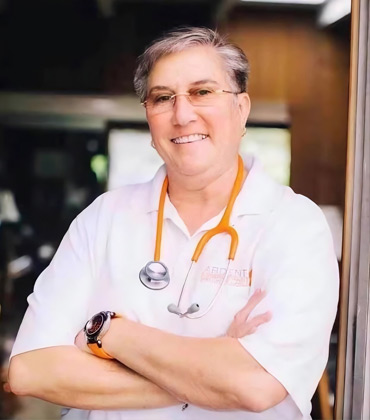 Susan Compton, CEO and Founder
Many families associate hospice care with abandoning curative treatment, a misconception that delays timely enrollment. Combined with the emotional complexity of end-of-life decisions and fragmented communication across care providers, patients often enter hospice too late to fully benefit from the support it provides.
Ardent Hospice & Palliative Care prioritizes delivering compassionate end-of-life care centered on doing the right thing. It provides hospice and palliative services, including nursing support, symptom management, emotional and spiritual support and family guidance.
Founded as a ministry nearly 15 years ago, the nurse-owned, female-owned organization provides care rooted in quality, integrity and human connection. It helps families navigate challenges through a boutique, high-touch model focused on education, responsiveness and interdisciplinary coordination.
“We make sure patients and families truly feel supported throughout the end-of-life care journey,” says Susan Compton, CEO and founder.
Education underpins Ardent’s care model. Its programs help families and community staff understand hospice services and patient care needs. They also spread light on managing complex patient conditions like dementia, Alzheimer’s and limited mobility.
Personalized Support throughout the Care Journey
Ardent prioritizes rapid response and same-day onboarding whenever possible. Nurses meet with patients and families immediately after referrals to explain hospice care and align on goals. It also coordinates same-day equipment delivery to ensure patients receive support without unnecessary delays.
Each patient undergoes an individualized assessment at admission, with details like diagnosis, age, symptoms and overall condition documented in the electronic medical record. This information helps develop a personalized care plan.
-
We make sure patients and families truly feel supported throughout the end-of-life care journey.
After enrollment, an interdisciplinary team including nurses, social workers and chaplains provides comprehensive support, addressing medical, emotional, spiritual and end-of-life planning needs. The team meets every two weeks with the medical director to review cases, address concerns and coordinate care.
When families raise concerns, clinical leadership, administration and nurses collaborate to resolve issues immediately. Ardent maintains direct, ongoing communication with patients and families throughout the care journey. Patients are visited multiple times each week and can reach the care team directly whenever needed.
It also prioritizes regular communication with physicians, ensuring they are informed about patients’ status and care decisions. Ardent’s smaller scale allows its teams to stay closely connected to patients, families and care partners.
“Because we are a more personalized hospice provider, we are able to stay closely connected to our patients, families and care partners,” says Vlad Owens, Community Liaison.
A Community-Led Approach to Palliative and Hospice Care
Ardent provides palliative care as a community-focused service despite limited reimbursement, viewing it as part of its responsibility as a Community Health Accreditation Partner.
The palliative phase is short-term, usually under three months, and serves as a bridge to hospice care. By introducing care comfortably and addressing the stigma, Ardent helps patients and families transition into hospice with trust and understanding.
These values are shaped by Compton’s personal experiences as both a nurse and caregiver to her grandmother. During her nursing career, she witnessed patients dying alone without family support. This led to the creation of the No One Should Die Alone foundation. It helps patients and families navigate practical and emotional barriers during critical moments.
In one case, it funded travel and accommodation for a student to be with her dying father. In another, it arranged a private sitter for a patient with no family to ensure she was not alone at the end of life.
Ardent’s focus on presence and support also shapes its collaboration with senior living communities, assisted living facilities and hospitals, helping ensure continuity of care across settings.
Through this high-touch approach, Ardent aims to build trust among patients and families. It continues to focus on expanding access to hospice care while preserving the responsiveness, trust and personal connection central to its model.
Hospice and Palliative Care Solutions Info
Q1
What Should Families Understand About Hospice and Palliative Care?
Hospice and Palliative Care Solutions help families understand two closely connected but distinct forms of support. Palliative care can begin after a serious diagnosis while treatment continues, helping patients manage pain, symptoms and stress. Hospice care is usually introduced when the focus shifts entirely to comfort, dignity and quality of life. The key question is not just “What care is available?” but “What does this person need right now and who will help the family adjust when those needs change?”
Q2
How Does Ardent Hospice & Palliative Care Support This Type of Care?
Difficult decisions often arise when families are exhausted, anxious and uncertain about the level of support they can expect at home. Ardent Hospice & Palliative Care provides Hospice and Palliative Care Solutions through nurses, social workers, chaplains and Certified Nurse Assistants who support patients, families and caregivers. Its services extend across Illinois and South Carolina, with care focused on comfort, pain management and emotional support instead of unnecessary disruption.
Q3
What Services Are Usually Included in Comfort-Focused Care?
Hospice and Palliative Care Solutions may include symptom management, medication support, medical equipment, personal care, counseling, spiritual care and caregiver guidance. The most effective programs bring these services together so families are not left searching for answers from multiple sources. Small gaps can make a big difference. An unclear medication plan or a delay in equipment delivery can make an already difficult week even more stressful, especially when care takes place at home and family members share daily responsibilities.
Q4
When Should Palliative Support Begin for a Serious Illness?
Palliative support should be considered early, especially when a patient is living with a chronic or serious condition and continuing treatment. Hospice and Palliative Care Solutions are not limited to the final days of life. Early support can help patients discuss treatment goals, side effects, family concerns and what comfort means in everyday life. That understanding often helps families make calmer decisions later and gives care teams time to learn and respect personal wishes.
Q5
Why Do Coverage and Care Coordination Matter?
Hospice and Palliative Care Solutions work best when families understand what is covered and who is responsible for coordinating care. In hospice, many insurance plans including Medicare may cover services related to the hospice diagnosis, such as equipment, medication and medical supplies. Families should still ask how quickly supplies are delivered, who handles after-hours calls and how changes in pain or breathing will be addressed. Clear coordination reduces uncertainty during moments when families need straightforward answers.
Q6
How Should Families Evaluate a Provider?
A thoughtful evaluation of Hospice and Palliative Care Solutions should go beyond reassuring language in a brochure. Families can ask who provides visits, how often care plans are updated, whether spiritual or psychosocial support is available and how caregivers are involved. Ardent Hospice & Palliative Care’s approach reflects this broader perspective by combining clinical care with support for families and caregivers, including the reassurance that hospice does not hasten the dying process but supports the patient’s natural pace. Hospice and Palliative Care Solutions should feel practical, responsive and honest about what comfort can truly mean.
Company :
Ardent Hospice & Palliative Care
Management Susan Compton, CEO and Founder
Vlad Owens, Community Liaison
Description
Ardent Hospice & Palliative Care delivers high-touch, personalized end-of-life care through a boutique, mission-driven model. Focused on early trust-building, education and continuous engagement, it supports patients and families with responsive, interdisciplinary care that prioritizes comfort and dignity.
