



Thank you for Subscribing to Eldercare Review Weekly Brief
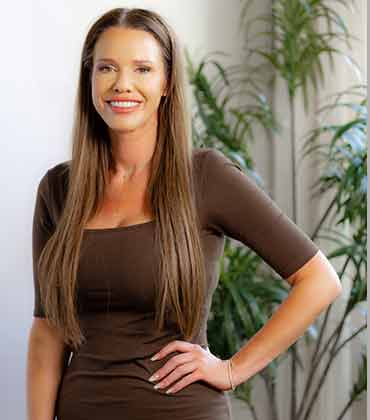 Jolynn Warnes, LALD and Charlie Warnes, Director of Finance and Strategy
For patients living with chronic wounds, healing is rarely just a medical challenge. It can become a daily struggle shaped by pain, limited mobility, frequent appointments, transportation barriers, and the uncertainty of whether the right care is available at the right time. For many individuals, especially those receiving Medicare or Medicaid, accessing specialized wound care can be difficult not only because of physical limitations but also because of financial constraints.
Advanced CareTech was created around a different idea: advanced wound care should not be limited by where a patient lives, whether they can regularly travel to a clinic, or whether cost-related challenges prevent them from maintaining consistent treatment.
The company brings specialized wound care solutions directly to individuals in their homes, long-term care facilities, and other care settings, helping patients receive continuous support while remaining connected with their healthcare teams.
According to Jessica Vanek, Vice President of Product Research at Advanced CareTech, improving access means addressing the practical challenges that often prevent patients from receiving care. “We like to make it easier on the patient so that they do receive that continuity of care and receive the best care that they can get,” she says.
That focus on accessibility has become central to Advanced CareTech’s approach. By helping patients navigate both logistical and administrative challenges, the company works to reduce interruptions in treatment and make advanced wound care more attainable for individuals who may otherwise struggle to receive the support they need.
Mission Shaped by Personal Experiences
The motivation behind Advanced CareTech’s work is closely connected to the personal experiences of its leadership team. Vanek and CEO Rodrick Jackson both encountered situations that highlighted how challenging healthcare navigation could be, particularly for older adults and their families.
Jackson’s experience caring for his grandmother revealed the complexity families often face when trying to access appropriate healthcare. For Vanek, the connection was even more personal. Having been raised by her grandparents, she witnessed the challenges elderly individuals can experience while navigating healthcare systems.
Those experiences influenced the company’s commitment to treating every patient with dignity and compassion. Advanced CareTech’s mission is not simply focused on treating wounds; it is focused on improving the overall experience of people who are often dealing with significant physical and emotional challenges.
The company believes that behind every wound is an individual whose life has been interrupted. A chronic wound can affect independence, confidence, mobility, and the ability to participate in everyday activities. By delivering care in familiar environments, Advanced CareTech aims to make treatment less disruptive while helping patients regain control over their lives.
Combining Regenerative Therapy with Comprehensive Care
Comprehensive Care At the center of Advanced CareTech’s treatment model is amniotic graft therapy, a regenerative approach used for appropriate patients with chronic and complex wounds. The therapy involves amniotic tissue products derived from donated human placental tissue that are processed according to regulatory standards.
These grafts provide an extracellular matrix that works with the existing wound environment, supporting the body’s natural healing process. Vanek, who has spent 18 years working in wound care, views the technology as one of the most meaningful advancements she has seen during her career. “I personally have been in wound care for 18 years of my career, and I can tell you this product is probably the best thing I’ve seen come out that actually makes a difference in a small amount of time,” Vanek explains.
However, Advanced CareTech emphasizes that successful wound healing involves much more than a single therapy. The company’s clinicians consider multiple factors that influence healing, including infection management, blood flow, pressure, swelling, nutrition, blood sugar levels, and overall patient health.
The graft therapy works alongside traditional wound care practices rather than replacing them. Proper wound cleaning, debridement, moisture management, and other foundational treatments remain essential parts of the healing process.
Connecting Patients, Providers, and Care Teams
Chronic wound care often involves multiple people, including physicians, nurses, caregivers, family members, and facility staff. Advanced CareTech focuses on ensuring these individuals remain connected throughout the treatment journey.
The company coordinates medical records, wound histories, previous treatments, scheduling, and communication between stakeholders. This approach helps create a shared understanding of each patient’s needs and allows care teams to make informed decisions.
Advanced CareTech also helps address one of the most frustrating parts of healthcare: administrative complexity. The company assists with documentation, insurance verification, coverage requirements, referrals, and scheduling so providers and caregivers can focus more time on patient care.
By managing these processes, Advanced CareTech aims to reduce delays and prevent patients from becoming overwhelmed by paperwork and uncertainty.
Restoring More Than Physical Health
The impact of chronic wounds extends beyond the wound itself. Patients may experience fear, frustration, isolation, and a loss of independence. Families and caregivers often carry an emotional and physical burden as they assist with appointments, mobility limitations, and ongoing care.
-
We make it easier on the patient so that they do receive that continuity of care and receive the best care that they can get.
Advanced CareTech believes that supporting caregivers and restoring patient confidence are important parts of healing. Education and communication help families understand treatment plans and recognize changes that require attention.
The company has seen the difference this approach can make through real patient experiences. One patient with vascular wounds had already undergone an amputation and was preparing for another procedure that would have resulted in the loss of his remaining leg. After working with Advanced CareTech, he was able to avoid another amputation and preserve his mobility.
The outcome represented more than wound closure. It allowed the patient to maintain independence and continue using his remaining leg for everyday activities, including supporting himself when breathing difficulties and anxiety affected him.
Expanding Access through Innovation
Behind Advanced CareTech’s care model is a team of clinicians, physicians, and coordinators working together to reach patients who may otherwise struggle to access specialized treatment. The organization brings together expertise in wound care, vascular health, geriatrics, and patient coordination.
Looking ahead, Advanced CareTech plans to continue expanding its geographic reach and helping more patients across the country. The company is also exploring additional technologies, including red light therapy, as part of its ongoing effort to provide more comprehensive wound care options.
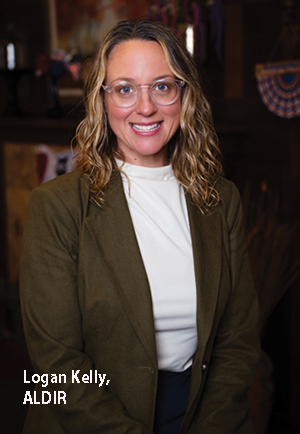 For Vanek and the Advanced CareTech team, innovation is not simply about adopting new technology. It is about understanding where new solutions can make a meaningful difference for patients and integrating them responsibly into existing standards of care.
New Path Forward for Medicare Wound Care
Patients and families who have worked with Advanced CareTech often share a similar response: they wish they had known about the company’s services sooner. That feedback reflects the larger challenge within chronic wound care: many patients continue suffering because they are unaware that advanced treatment options exist.
Advanced CareTech continues to focus on making those options easier to access, bringing specialized care closer to individuals while supporting providers and caregivers throughout the process.
For its commitment to improving access to advanced wound care and creating a more connected treatment experience for Medicare patients, Advanced CareTech has been named the Medicare Wound Care Solution of the Year 2026.
As the company continues to expand its reach, its goal remains unchanged: helping more individuals receive the care they need while preserving comfort, dignity, and quality of life throughout their healing journey.
Medicare Wound Care Solutions Info
Q1
What Are Medicare Wound Care Solutions?
Medicare Wound Care Solutions address the treatment and coordination needs of people covered by Medicare who live with chronic or complex wounds. They can include advanced therapies, clinical wound management, documentation, scheduling and support that help maintain continuity of care. Effective Medicare Wound Care Solutions also consider practical barriers such as transportation, mobility and access to specialized treatment. The goal is to connect appropriate wound care with the patient’s broader health needs rather than treating the wound in isolation. This can be especially relevant when chronic wounds require repeated assessment and coordinated follow-up across care settings.
Q2
How Does Advanced CareTech Deliver Medicare Wound Care Solutions?
Advanced CareTech brings specialized wound care to patients’ homes, long-term care facilities and other care settings. Its model combines amniotic graft therapy for appropriate patients with traditional wound care practices such as cleaning, debridement and moisture management. The company also coordinates medical records, wound histories, prior treatments and scheduling. These documented capabilities allow Medicare Wound Care Solutions to reach patients who may have difficulty traveling regularly for specialized treatment.
Q3
Which Services Can Be Included in Medicare Wound Care Solutions?
The service scope can extend beyond the treatment applied directly to a wound. Medicare Wound Care Solutions may involve infection management, attention to blood flow, pressure, swelling, nutrition and blood sugar levels, along with ongoing communication among the care team. Administrative support can also matter when referrals, insurance verification, coverage requirements and documentation affect access. A coordinated model helps keep clinical and practical parts of wound treatment connected.
Q4
What Factors Matter When Evaluating Advanced Wound Care?
Evaluation should consider whether the care model addresses the patient’s overall condition, not only the visible wound. Medicare Wound Care Solutions should fit appropriate clinical needs while supporting continuity, communication and practical access. Traditional wound care remains important even when advanced therapies are used. The care team should also account for factors such as infection, circulation, pressure, swelling, nutrition and blood sugar because these can influence healing and treatment decisions.
Q5
How Does Care Coordination Support Patients With Chronic Wounds?
Care coordination can reduce gaps between patients, physicians, nurses, caregivers and facility staff. Medicare Wound Care Solutions can support this connection by keeping treatment histories, records, schedules and communication organized around the patient. Advanced CareTech uses coordination to help providers and caregivers manage administrative requirements while keeping attention on care. Education and communication can also help families understand treatment plans and recognize changes that need attention.
Q6
How Can Medicare Wound Care Solutions Improve Access to Specialized Care?
Access is shaped not only by whether a therapy exists, but also by whether patients can receive it consistently. Medicare Wound Care Solutions can bring specialized treatment closer to people who face mobility, transportation or other practical barriers. Advanced CareTech’s home and facility-based model is designed around that need, while its coordination work helps reduce administrative interruptions. Its profile also describes a patient with vascular wounds who avoided another amputation after receiving care, illustrating the potential importance of continuity and mobility-preserving treatment in an individual case.
Company :
Advanced CareTech
Management Jolynn Warnes, LALD and Charlie Warnes, Director of Finance and Strategy
Description
Advanced CareTech is transforming Medicare wound care by bringing advanced regenerative therapies directly to patients’ homes and care facilities. Through innovative solutions, coordinated care, and a compassionate approach, the company helps improve healing outcomes, accessibility, and quality of life.
