

Thank you for Subscribing to Eldercare Review Weekly Brief

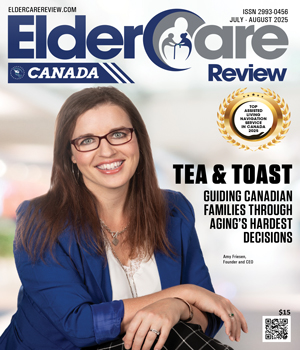
Tea & Toast
Guiding Canadian Families through Aging’s Hardest Decisions
There comes a time in many families when the balance subtly shifts. An older parent begins to show signs of slowing down. Without announcement or instruction, the adult child gradually steps into the new role of caregiver and the responsibility for navigating the complexities of their parents’ medical care. Many eldercare planners enter the picture only after the shift has begun. They offer a shortlist of senior homes and communities, or a handful of brochures, and then step back, leaving families to deal with the unfamiliar choices without the clarity needed to feel confident in their decisions. Tea & Toast was built to change that dynamic. Its services aren’t tied to a crisis point. Families can reach out early, when the signs are subtle or even when they’re simply exploring what the future might hold. That early connection makes all the difference. It allows the process to unfold under the guidance of an expert who listens, facilitates conversations and creates space for the questions families don’t know to ask. To understand why Tea & Toast resonates so profoundly with those it serves, one must understand why it was created. Founder Amy Friesen didn’t launch it only to fill a market gap. She built it after witnessing, time and again, how families were left to make emotional, high-stakes decisions alone—without the clarity or steady voice guiding them to focus on what truly mattered in that moment. What started as a personal mission has since evolved into a trusted, national resource. Families turn to Tea & Toast not just for answers, but for the relief of not having to figure everything out on their own. “Every recommendation is shaped by real needs, not referral incentives,” says Friesen, CEO. “And because we understand the intricacies of provincial systems, we can help families make smart, informed choices, without the pressure.” A Voice That’s Shaped the Field To describe Friesen as a business leader is accurate, but far too narrow. She’s a trailblazer in eldercare, with more than a few feathers in her cap. As the founder of Eldercare Planners of Canada, the country’s first national association of its kind, she brought long-overdue structure, standards and shared ethics to a field that had operated in silos. Her goal wasn’t to reinvent the work, but to ground it and give care planners across the country a clear, compassionate framework they could rely on. Over time, Friesen has become one of Canada’s most trusted voices in the field of eldercare. Through national speaking engagements, community talks and years of one-on-one consulting, she brought visibility to the harder truths many families carry. They include the guilt of setting limits, the grief that begins before loss and the silent, often invisible weight that adult children shoulder when navigating complex relationships with aging parents. After spending years in the senior home segment, Friesen saw the pattern repeat. Families were making life-changing decisions with little information and even less emotional support. That insight became her turning point when she built the model for Tea & Toast, creating space for reflection and allowing families to come to a decision that feels truly aligned with their values.
Retirement Communities
Element Lifestyle Retirement Inc.
Fostering a Fulfilling and Vibrant Lifestyle for Older Adults
Michael Diao, CEO, Ernie Hee, Executive Vice President and Interim CFO
Moving into a retirement community often feels detached and impersonal. The comfort of family dinners, spontaneous laughter in the kitchen and the familiar rhythm of daily life are what make a home come alive. When that sense of home starts to drift, the transition can feel like something being left behind. At Opal by Element Lifestyle Retirement Inc. (“Element”) in Vancouver, the sense of home is never lost. Through a unique ownership model, older adults purchase their residences via a strata title—investing in a vibrant, independent lifestyle. Modern amenities, cultural experiences and social opportunities blend the familiarity of home with the vibrancy of community life. Here, family visits become more than routine check-ins. A dedicated intergenerational activity room brings generations together in a joyful setting, evoking the warmth of laughter, play and cherished memories. What sets Opal apart is the transition to licensed care floors when needed—often triggered by a personal or spousal health event. This built-in continuum of care provides long-term peace of mind. No relocation. No separation. Just consistent care, connection and companionship. “Residents can enjoy their golden years on their own terms—doing what they want, not what others think they should,” says Michael Diao, CEO. Diao shaped this vision, inspired by ‘Aging in Place’ philosophy of Don Ho, the Founder and Honorary Chair of Element. After leading a senior community in Beijing, he set out to redefine luxury retirement living in North America. He chose Vancouver to bring together world-class design and culturally attuned care—honoring both independence and long-term support..

Senior Care

Care At Home Services
Where Care Feels Like Home
Rubylyn Engstrom, Director of Operations and Co-Owner
Many older adults continue to insist they’re managing just fine—until a critical moment proves otherwise. It’s usually a family member who notices first: a sharp decline in personal care, sudden weight loss, or a hospitalization that reveals just how much help is actually needed. The senior, however, may still resist support, fearing the loss of independence and routine. That’s when families begin searching for a solution—often in a hurry and under stress—trying to arrange care that doesn’t disrupt the life their loved one is trying to preserve. The real challenge lies in delivering help that feels natural, respectful, and completely personalized to the individual. That’s where a solutions-focused approach makes all the difference. Some providers follow set paths. Others, like Care At Home Services, create new ones. The company responds to the complex, the unconventional, and the deeply personal. From coordinating care in rural settings to supporting clients during travel, or finding caregivers who can prepare culturally specific meals, Care At Home Services leads with flexibility, creativity, and compassion. The goal isn’t to fit clients into a system—it’s to build care around their lives. A proudly Canadian-owned company with over 11 years of experience, Care At Home Services has built a reputation for responsive, compassionate care tailored to each individual’s needs. “We’re noticing that some basic personal care needs aren’t being met, and there could be a change in their care requirements. We’re introduced to help support their independence—and as those needs grow, we’re there, and they become comfortable receiving care from our company,” says Rubylyn Engstrom, Director of Operations and co-owner of Care At Home Services. The company is well-positioned to meet growing demand with flexibility, expertise, and heart—helping people age safely in the comfort of their own homes. The process begins the moment a concerned family member makes a call. A care advisor listens closely to the situation—whether it’s a parent skipping meals, a recent hospital discharge, or early signs of cognitive decline. A nurse is then sent to the home to assess needs and create a personalized care plan. From there, services may include anything from a few hours a week of companionship to full-time, around-the-clock nursing support.
Independent Living

Nurturing Senior Care with Technology
David Chandler, VP of Clinical Services and Business Development, Senior Helpers
Retirement Communities
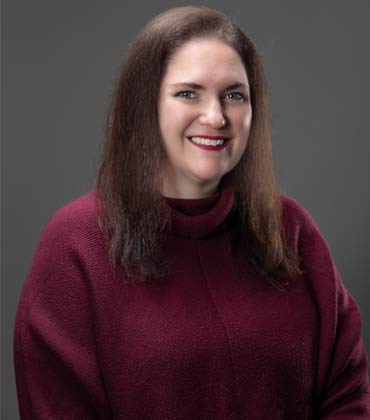
What to Know About Continuing Care Retirement Communities (CCRCs)
Sarah DiStefano, BSW, Resident Service Support Coordinator, Asbury Communities, Inc.
Care Management
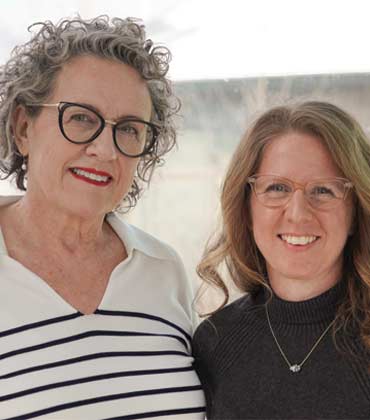
Shaping the Future of Dementia Care Through Personalized Support
Bonnie Jean-Baptiste, Clinical Manager, and Julie Earle, Nurse Practitioner, Ontario Shores Centre for Mental Health Sciences
Digital Health

Revisiting Hospice: The Continued Drive for Acceptance
John Mulder, Chief Medical Consultant for Hospice and Pallaitive Care, Holland Home
eldercare Tech

Advocacy, Leadership, and Policy Reform in Assisted Living
Oluwasegun Richard Alonge, Mental Health and Addiction Worker, Lookout Housing + Health Society

IN MY OPINION
Home Care
What It Takes To Be a Home Health Care Worker
Elsa Lam, Vice President, Regional Patient Care Services, VNS Health

LAST WORD
Senior Monitoring Solution
Specialized Home Care for People with Alzheimer's Disease
Laura Silverstein, Administrator/Director of Patient Service, True Care Home Care
IN FOCUS


EDITORIAL
How Technology Is Quietly Transforming the Aging Experience
Technology in senior care is no longer about isolated tools. It’s about creating an ecosystem that allows aging adults to remain independent without feeling surveilled. In Canada, this shift is visible in the growing integration of remote monitoring, telehealth and smart assistance across both home care and retirement communities.
Wearables and in-home sensors now quietly track changes in movement or vitals, alerting caregivers to early signs of decline. At the same time, telenursing platforms offer families and professionals real-time access to check-ins and consults, bridging distances without disrupting the rhythm of care. In memory care settings, AI-driven voice assistants are helping residents with routine prompts while offering gentle companionship, reducing reliance on human intervention for basic support.
The momentum is only building. Artificial intelligence and predictive models are being used to anticipate care needs, from staffing patterns to health risks. Facilities are beginning to adopt fall-prediction tools that rely on sound and subtle visual cues, and pain recognition software is being piloted in environments where residents may no longer speak for themselves. The promise is a future where personalization doesn’t require intrusion, and where dignity is designed into the very fabric of care.
Driven by these trends, Canada’s senior care sector is projected to reach US $27.4 billion by 2030 with an 11.2 percent CAGR, retirement communities, currently valued at CA $6.9 billion and expected to grow steadily at 5 percent CAGR through 2032, and memory care services, to 1 million by 2030, with the global dementia care product market forecasted to grow at 6.4 percent annually.
The magazine features thought leadership articles from Bonnie Jean-Baptiste, Clinical Manager, and Julie Earle, Nurse Practitioner, Ontario Shores Centre for Mental Health Sciences, highlighting personalized and compassionate dementia care that focuses on understanding each patient as a whole person. John Mulder, Chief Medical Consultant for Hospice and Palliative Care at Holland Home, sheds light on the need to shift perceptions of hospice from “giving up” to recognizing it as compassionate, dignity-focused care.
We also spotlight Tea & Toast, a Canadian eldercare planning company that helps families make informed decisions about aging, from choosing retirement homes to planning for care at home, with practical guidance and personal support every step of the way.
In this edition featuring the best senior care companies, we hope you find the right partner to meet your organization’s needs.
